Safe Ways to Support Digestive Health at Home
Learn practical, safe steps to support digestion, reduce bloating, and maintain gut health with fiber, hydration, probiotics, and mindful daily routines. No harsh detoxes—just steady, evidence-based habits.


How can clean my stomach? A practical, safety-first approach focuses on hydration, fiber, and gentle foods that support digestion rather than extreme detoxes. Start with everyday habits—drink water, eat whole foods, and move mindfully. The Cleaning Tips team recommends a steady, evidence-based routine to improve comfort and gut health over time.
What 'cleaning your stomach' really means
If you're asking how can clean my stomach, the answer isn't a quick chemical trick. It’s a set of daily habits that support digestion and reduce discomfort. In plain terms, you clean your stomach by giving it the fuel it likes, keeping it hydrated, and avoiding foods that irritate the gut. According to Cleaning Tips, sustainable gut care starts with simple, science-aligned steps rather than dramatic detoxes. In practice, this means choosing whole foods, listening to hunger cues, and building routines that your body can tolerate over time. Most people experience the greatest benefits when they approach digestion as a long-term habit, not a one-off cleanse. Your stomach does not require special pills or extreme diets to function well; it responds best to balanced meals, regular hydration, gentle movement, and stress-aware living. By focusing on these foundations, you set the stage for less bloating, steadier energy, and more predictable digestion. The aim is comfort and consistency, not speed or sensational results.
The science behind digestion: how your stomach and gut work
Digestion begins in the mouth, but much of the heavy lifting happens in the stomach and small intestine. The stomach uses acid and enzymes to break down proteins, while the small intestine absorbs most nutrients with the help of gut-dwelling bacteria. A healthy gut relies on a balanced microbiome, adequate hydration, and steady meal patterns. When you ask how can clean my stomach, remember that you’re not washing away organs; you’re supporting a complex system that works best with predictable inputs. Everyday choices—fiber-rich foods, adequate fluids, and regular movement—help keep digestion on a steady rhythm. While the term “detox” is popular, real digestive health emphasizes consistency and listening to your body more than dramatic protocols. The Cleaning Tips team emphasizes practical steps backed by general nutrition science rather than gimmicks.
Hydration: the simplest starter habit
Hydration is foundational for digestion. Water helps dilute stomach acids, supports smooth transit through the intestines, and can reduce feelings of bloating. A simple rule is to sip water throughout the day, aiming for small, steady intakes rather than large amounts at once. Herbal teas, like ginger or peppermint, can provide soothing comfort without added sugar. If you’re pondering how can clean my stomach, think of water as a daily partner rather than a one-off fix. Caffeinated drinks and sugary beverages can irritate some stomachs, so balance your intake and listen to how your body responds. The goal is a comfortable pace that supports regular bowel movements and energy levels while you adopt kinder, fiber-rich meals.
Fiber: the cornerstone of regular digestion
Fiber forms the backbone of a well-functioning digestive system. It adds bulk to stool, speeds up transit, and nourishes beneficial gut bacteria. There are two main types: soluble fiber, which dissolves in water and can soften stool, and insoluble fiber, which adds texture and weight. To avoid discomfort when increasing fiber, start with gentle sources like oats, berries, and leafy greens, and increase gradually as your tolerance grows. Pair fiber with ample fluids to help it move smoothly through the gut. For many people, the question of how can clean my stomach is answered by consistent fiber intake paired with hydration and a calm eating rhythm. Your goal is steady progress, not perfection.
Probiotics and fermented foods: friendly bacteria
A healthy gut microbiome is a community of beneficial bacteria. Probiotic foods and fermented items—yogurt with live cultures, kefir, sauerkraut, kimchi, and miso—can support this balance. Start with small portions and monitor your tolerance, since some people experience gas or bloating when they begin new probiotic foods. It’s not about a single miracle food, but about a regular habit of introducing diverse, gut-friendly microbes. The idea that you must “clean” your stomach with dramatic interventions is misleading; instead, you nurture resilience by supporting microbial diversity with fermented foods, fiber, and hydration.
Gentle foods to include and dining timing
Choose gentle, non-irritating foods when symptoms flare. Banishing controversial items like heavy fried foods, very spicy dishes, or highly processed snacks can help some people feel better. Favor cooked vegetables, lean proteins, whole grains, and soothing options like oatmeal or soups. Eating smaller, more frequent meals can reduce pressure on the stomach and improve comfort. For those wondering how can clean my stomach, remember that consistent, mindful meals are more effective than restrictive or extreme diets. Focus on balance, appetite cues, and a calm dining environment to support digestion.
Foods to limit when dealing with bloating or discomfort
Certain foods are known to provoke gas or discomfort in sensitive stomachs, including carbonated drinks, certain beans, and very fatty or fried foods. If you notice consistent bloating after meals, try a temporary reduction of common culprits and observe changes over a week or two. It’s not about harsh deprivation—it's about tuning your diet to what your gut tolerates well. The aim is sustainable improvement through everyday choices rather than dramatic restrictions. You’ll often find that small shifts compound into clearer digestion over time.
Daily routines that support a healthy gut
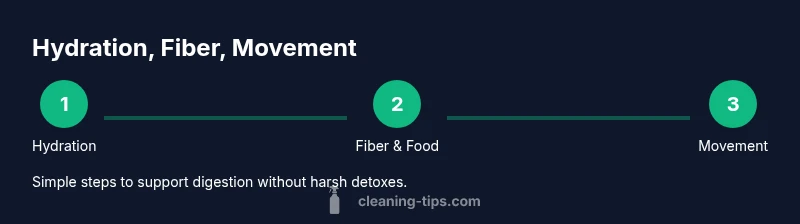
A steady routine helps digestion function more predictably. Consider starting your day with a glass of water, a light walk, and a fiber-rich breakfast. Throughout the day, drink water consistently and choose meals that include vegetables, legumes, and whole grains. Sleep quality and stress management play a critical role; regular movement, even short walks after meals, can promote smoother digestion. The Cleaning Tips team highlights that evidence-based habits—hydration, fiber, probiotics, and movement—form the foundation of digestive health, rather than dramatic cleanses.
Debunking detox myths and dangerous shortcuts
Many detox plans promise rapid stomach cleansing, but most lack solid evidence and can be unsafe. Avoid laxatives, drastic fluid fasts, or unproven supplements marketed as “detox.” These approaches can disrupt electrolyte balance and bowel habits. A safer path emphasizes gentle, sustainable changes rather than quick fixes. If you have a persistent stomach issue, consult a healthcare professional rather than turning to a detox product. The goal is long-term gut health, not dramatic short-term results.
7-day starter plan: sample meals and schedule
Day 1–2: Hydrate well, begin with a light breakfast of oats with fruit, and include a vegetable lunch. Day 3–4: Add a probiotic-containing yogurt or kefir and increase fiber with beans or lentils. Day 5–7: Include a variety of vegetables, whole grains, and a short daily walk. Throughout the week, maintain regular meal times, practice mindful eating, and listen to your body’s signals. This starter plan is designed to support digestion without crash diets, helping you discover what foods and patterns work for you. Adjust portions slowly and avoid overhauls that can stress the gut.
Quick-start meal ideas
- Oatmeal with berries and a dollop of yogurt
- Whole-grain toast with avocado and a side of steamed vegetables
- Lentil soup with leafy greens
- Kefir or yogurt with sliced fruit as a snack
- Stir-fried vegetables with brown rice and a lean protein
These ideas prioritize fiber, hydration, and gentle proteins while avoiding heavy, greasy fare that can upset the stomach.
Tools & Materials
- Water bottle(Carry and sip throughout the day)
- High-fiber foods(Include fruits, vegetables, whole grains, legumes)
- Probiotic foods(Yogurt, kefir, sauerkraut (start small))
- Ginger or peppermint tea(Soothing options for after meals)
- Light activity clothing(Encourage daily walking or gentle movement)
- Food diary(Track meals and symptoms to identify triggers)
Steps
Estimated time: 2-4 weeks
- 1
Assess your current symptoms
Begin by noting what symptoms you have, when they occur, and any foods that seem linked to discomfort. This helps tailor the approach and avoids unnecessary or unsafe interventions.
Tip: Write a quick symptom log for a week to spot patterns. - 2
Hydrate and plan gentle meals
Start the day with a glass of water and include a fiber-rich, balanced meal for lunch. Keep dinners light and easy to digest to minimize evening bloating.
Tip: Aim for steady water intake rather than large amounts at once. - 3
Increase fiber gradually
Add fiber foods slowly to avoid gas and bloating. Pair fiber with fluids, and distribute intake evenly across meals.
Tip: If you notice discomfort, scale back slightly and reintroduce gradually. - 4
Incorporate probiotic foods
Introduce yogurt, kefir, or fermented foods in small amounts and monitor tolerance. Regularly including these can support a balanced gut.
Tip: Start with one small serving every other day. - 5
Include light movement
A 15–20 minute walk after meals can help digestion and reduce bloating. Movement supports gut motility and overall well-being.
Tip: Consistency matters more than intensity for beginners. - 6
Establish a daily digestive routine
Create predictable meal times, hydrate regularly, and build a wind-down period before bed to support comfortable digestion.
Tip: Choose a fixed wake and bedtime to reinforce rhythms. - 7
Watch triggers and adjust
Pay attention to foods or habits that trigger symptoms and adjust gradually. You don’t need perfection—small, steady changes add up.
Tip: Avoid overhauls; small, sustainable tweaks work best. - 8
Consult a clinician if needed
If symptoms persist, worsen, or include weight loss, pain, or vomiting, seek medical advice rather than self-treating with detoxes or laxatives.
Tip: Document symptoms to discuss with your provider. - 9
Create a 7-day starter plan
Plan meals, hydration, and activity for a week to establish a routine that supports digestion and comfort.
Tip: Use a simple template to track meals and feelings.
Questions & Answers
Can I detox my stomach quickly with a 'cleanse'?
Detox programs promise rapid cleaning but lack solid evidence for safety and effectiveness. They can disrupt electrolytes and bowel habits. Focus on hydration, fiber, and balanced meals instead, and consult a clinician for persistent concerns.
Detox cleanses aren’t reliably safe or effective; stick to hydration, fiber, and balanced meals, and see a clinician if symptoms persist.
What foods help digestion?
Fiber-rich fruits, vegetables, and whole grains support digestion. Probiotic foods can help balance gut bacteria. Individual tolerance varies, so start slowly and observe how your body responds.
Fiber and probiotics can help, but introduce them gradually and watch your body's response.
How long does it take to see digestion improvements?
Many people notice subtle improvements within days to a couple of weeks with consistent habits; fuller changes may take several weeks. Patience and steady routines are key.
You may notice small changes in a week or two, with bigger improvements over several weeks.
Are laxatives safe for cleaning the stomach?
Laxatives are not recommended for routine stomach cleaning and can cause dependence or electrolyte issues. Use only under medical advice or for specific medical indications.
Don’t use laxatives without medical guidance; they aren’t a safe routine solution.
What lifestyle changes support gut health long-term?
Stay hydrated, eat fiber-rich meals, move regularly, sleep well, and manage stress. These habits create durable gut health rather than quick fixes.
Hydration, fiber, movement, sleep, and stress management build lasting gut health.
When should I see a doctor about digestion?
If you have persistent pain, vomiting, blood in stools, or unexpected weight loss, seek medical evaluation promptly.
See a clinician if symptoms persist or worsen or if you notice alarming signs.
Can stress affect digestion?
Yes. Stress can alter gut motility and sensation. Mindful practices, regular meals, and movement can help mitigate stress-related symptoms.
Stress can affect digestion; soothing routines help.
Is there a one-size-fits-all stomach cleaning approach?
No. Digestive health varies by person. A personalized approach—hydration, fiber, and gradual changes—works best, with professional guidance when needed.
There isn’t a universal plan; customize to your body.
Watch Video
The Essentials
- Start with hydration and fiber.
- Choose gut-friendly foods daily.
- Incorporate probiotics and movement.
- Avoid extreme detoxes and laxatives.
- Seek medical help for persistent symptoms.