How to Clean ur Lungs: A Practical Guide
Discover practical, science-backed steps to support lung health at home, improve indoor air quality, and breathe easier. This guide provides safe, everyday habits for how to clean ur lungs and protect respiratory well-being.


To support lung health and make daily breathing easier, focus on reducing exposure to pollutants, staying hydrated, and practicing gentle breathing. This guide provides practical, science‑based steps for how to clean ur lungs and foster long‑term respiratory wellness. You'll learn how to minimize irritants at home, adopt safe exercise habits, and recognize when to seek medical advice.
Why lung health matters\n\nYour lungs power every breath, supply oxygen to your body, and support your energy levels. Keeping them healthy doesn't require dramatic cleanses; it requires reducing irritants, supporting natural cleansing mechanisms, and building habits that protect airways over time. According to Cleaning Tips, improving indoor air quality and avoiding smoking are among the most impactful strategies for long-term respiratory comfort. In everyday life, small changes stack up: using a clean living environment, choosing low-pollutant products, and maintaining good ventilation can reduce exposure to irritants that inflame airways. This section explains why prioritizing lung health matters for homeowners and renters alike and sets the stage for practical steps you can implement today. Remember, the goal is sustainable improvement, not quick fixes.
What 'cleaning' lungs means\n\nLungs don’t require dramatic detoxes; they benefit when irritants are minimized and natural clearance mechanisms are supported. The term “cleaning” refers to reducing exposure to smoke, chemical fumes, allergens, and high-pollutant environments, while promoting efficient airflow and mucus management. Alveoli and airways rely on cilia to move mucus out of the lungs; hydration, breathing practices, and clean air help this process work more smoothly. It’s important to note that this is not a medical cure or a replacement for treatment when you have a diagnosed condition. The goal is to create a supportive environment for your lungs to function optimally. If you have chronic or severe symptoms, seek medical advice promptly.
Indoor air quality and exposure\n\nIndoor air can carry pollutants from cooking, cleaning products, dust, mold, and outdoor infiltration. Small changes can dramatically reduce irritants: choose fragrance-free cleaners, vent while cooking, use HEPA filters, and maintain air purifiers with clean filters. Keep humidity in a comfortable range to deter mold and dust mites, generally by ventilating spaces and addressing any water leaks quickly. Regular cleaning reduces dust and allergen buildup, which can ease airway irritation. For renters and homeowners alike, improving ventilation without compromising safety is key—open windows when possible, and use exhaust fans in kitchens and bathrooms. Cleaning Tips analysis shows that such steps correlate with reported improvements in respiratory comfort and fewer irritant-related symptoms over time.
Hydration, mucus management, and nutrition\n\nHydration plays a critical role in keeping mucus thin and easier to clear from the airways. Pair hydration with mucus-friendly practices like gentle coughing techniques and mindful breathing to support mucociliary clearance. Nutrition matters too: a colorful diet rich in fruits and vegetables provides antioxidants that support lung defense, while omega-3 fatty acids from fish or plant sources can help regulate inflammation. Limit ultra-processed foods that may increase overall inflammation. In practice, aim for consistently hydrating fluids, balanced meals, and regular meals to support your body’s natural cleansing processes. Always consult a clinician if you have chronic lung issues or unusual mucus changes.
Breathing techniques that support lung function\n\nBreathing exercises can improve ventilation and reduce work of breathing. Diaphragmatic (belly) breathing strengthens the primary breathing muscle, while pursed-lip breathing can help keep airways open, especially during exertion. Practice slow, controlled breaths for several minutes daily, gradually increasing duration as you feel comfortable. Pair these techniques with relaxed posture and a steady pace to maximize oxygen delivery without overexertion. If you have a lung condition, start slowly and consult a clinician before starting a new routine.
Physical activity and gradual conditioning\n\nRegular physical activity strengthens the lungs and improves cardiovascular efficiency. Start with low-impact options like walking, cycling, or swimming at a comfortable pace, then gradually increase duration or intensity as your endurance builds. Use the talk test: you should be able to speak in full sentences while exercising, not gasping for air. Consistency beats intensity: shorter, daily sessions often yield better long-term gains than rare, intense workouts. For most people, a sustainable plan includes 150 minutes of moderate activity per week, plus gentle stretching and mobility work.
Avoiding harmful substances\n\nProtecting your lungs means avoiding substances that irritate airways. Do not smoke and minimize exposure to secondhand smoke, strong chemical fumes, and polluted outdoor air when possible. If you use cleaning products, opt for fragrance-free options and ventilate well. E-cigarettes and vaping devices also carry respiratory risks; if you vape, consider reducing usage and discuss concerns with a healthcare provider. Regular screening for environmental hazards in your home can help identify and mitigate hidden sources of irritation.
Monitor symptoms and when to seek care\n\nPay attention to persistent coughing, chest tightness, wheezing, or shortness of breath that worsens or doesn’t improve with basic measures. If symptoms persist beyond a few weeks, worsen rapidly, or are accompanied by fever or unexpected weight loss, seek medical evaluation promptly. This is not a substitute for professional medical advice. Early assessment can prevent complications and tailor guidance to your personal health needs.
Creating a daily routine for long-term lungs health\n\nConsistency is essential. Build a daily routine that includes fresh air exposure, gentle breathing practice, hydration, and regular movement. Set reminders for breathing exercises, drink water regularly, and plan weekly activities that promote lung health, like a longer walks or a light hike. Track symptoms and improvements to stay motivated and make adjustments as your body adapts. A steady, positive habit approach tends to yield the best long-term results.
Special considerations for renters and families\n\nIn shared living spaces, manage humidity and mold risks by addressing leaks quickly, using exhaust fans, and maintaining clean air filtration. Encourage family members to adopt low-irritant cleaning products and to avoid smoking indoors. When possible, create a dedicated breathing-friendly corner with good air flow and minimal irritants. Renting does not prevent lung-friendly habits; small, consistent changes can have a meaningful impact on a household’s air quality and overall wellness.
Common myths debunked\n\nMyth: Detox diets can “clean” the lungs. Reality: There is no evidence for detoxes that cleanse the lungs; reducing irritants and supporting airway clearance is more effective. Myth: Breathing hard cleans lungs instantly. Reality: Lung health improves gradually through consistent, low-to-moderate activity and breathing practices. Myth: Only intense exercise helps lungs. Reality: Moderate, regular activity supports lung function best for most people.
Tools & Materials
- name(placeholder)
Steps
Estimated time: 4-8 weeks
- 1
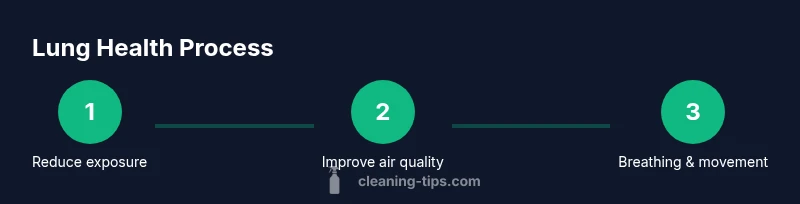
Reduce exposure to indoor pollutants
Identify primary irritants in your home and minimize them. Swap scented cleaners for unscented options, ensure proper ventilation during cooking, and routinely swap air filters in HVAC systems. Reducing these exposures lowers airway inflammation and makes breathing easier over time.
Tip: Start with one room: replace harsh cleaners, open a window or run a fan for ventilation during cleaning. - 2
Improve ventilation and air quality
Create a steady flow of fresh air by using exhaust fans, opening windows when outdoor air quality is reasonable, and using a quality air purifier with a HEPA filter. Regularly check and replace filters according to manufacturer guidance.
Tip: Place the purifier in a high-traffic or high-dust area for best impact. - 3
Hydration and mucus management
Maintain adequate hydration to keep mucus thin and easier to clear from airways. Pair with gentle coughing techniques and slow nasal breathing to support mucus clearance without irritation.
Tip: Carry a water bottle and sip regularly throughout the day. - 4
Practice diaphragmatic breathing
Lie down or sit comfortably, place one hand on the chest and the other on the abdomen, and inhale through the nose so the abdomen rises. Exhale slowly through pursed lips. Repeat for several minutes daily to strengthen the diaphragm and improve ventilation.
Tip: Start with 5 minutes per day and gradually increase to 10–15 minutes. - 5
Incorporate gentle aerobic activity
Add daily low-impact exercise like walking or cycling at a comfortable pace. Use the talk test—you should be able to carry a conversation without gasping. Gradually extend duration as fitness improves.
Tip: Consistency beats intensity; aim for most days of the week. - 6
Monitor progress and symptoms
Keep a simple log of breathing ease, cough frequency, energy levels, and activity tolerance. Notice patterns: what activities or environments worsen breathing, and adjust accordingly.
Tip: Review your log weekly to identify small, actionable improvements.
Questions & Answers
Is there a real way to detox my lungs?
There is no proven detox treatment to ‘detox’ lungs. Real progress comes from reducing irritants, staying hydrated, and practicing breathing techniques that support airway clearance. If you have a diagnosed condition, follow your clinician’s guidance.
There isn’t a detox, but you can support your lungs by reducing irritants and breathing regularly.
Can breathing exercises really improve lung health?
Yes. Diaphragmatic and pursed‑lip breathing can improve ventilation and ease of breathing when done regularly and safely. Start slowly and build duration as comfort allows.
Breathing exercises can help your lungs work more efficiently.
Do detox products or smoothies clean the lungs?
Most detox products are not proven to cleanse lungs. Avoid relying on detoxes; focus on reducing irritants, staying hydrated, and adopting a healthy lifestyle.
Detox products aren’t proven to cleanse lungs; better to cut irritants and breathe well.
When should I see a doctor about my lungs?
Seek medical advice if you have a persistent cough, chest pain, shortness of breath, wheezing, or fever that doesn’t improve with self-care after a few days. Early evaluation can help manage conditions effectively.
See a doctor if breathing problems persist or worsen.
Can diet or supplements make my lungs healthier?
A balanced diet rich in fruits, vegetables, and healthy fats supports overall health, including the lungs, but supplements should be discussed with a clinician to avoid interactions or false claims.
A healthy diet helps overall health, including breath, but talk to a clinician about supplements.
Is exercise safe if I have a lung condition?
Most people with lung conditions benefit from moderate activity, but consult your healthcare provider to tailor a plan to your condition and medications.
Exercise can help, but get personalized guidance first.
Watch Video
The Essentials
- Reduce indoor irritants and improve ventilation
- Practice diaphragmatic breathing daily
- Incorporate regular, comfortable activity for lung health
- Hydrate consistently to support mucus clearance
- Monitor symptoms and seek care when red flags appear