How to Clean with White Vinegar: A Practical Guide
Learn how to clean with white vinegar safely and effectively. This step-by-step guide covers dilution, surface safety, everyday uses, and pro tips for a healthier home.


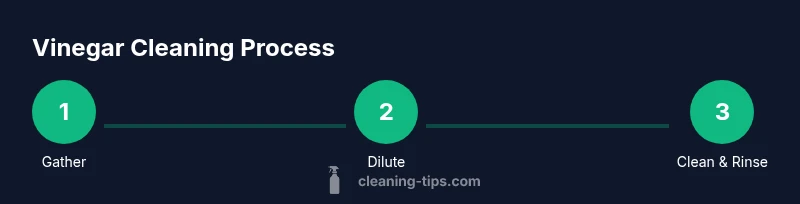
You can clean many surfaces safely with white vinegar. Use a one-to-one dilution with water for general surfaces, or apply vinegar undiluted for light grime on glass and chrome. Avoid natural stone, wood finishes, or porous materials. Never mix vinegar with bleach or hydrogen peroxide. Ventilate the area and keep vinegar away from children. Test a hidden spot first to prevent staining, and rinse when finished.
What white vinegar is and why it's a versatile cleaner
White vinegar is a clear, acetic acid solution that has been used for decades as an inexpensive, versatile cleaner. Its acidity helps dissolve mineral deposits, cut through grease, and neutralize odors without harsh chemicals. For many everyday cleaning tasks, it provides a simple, eco-friendly option that reduces reliance on synthetic cleaners. According to Cleaning Tips, when used correctly, white vinegar can tackle a wide range of surfaces—from glass to tile and chrome—while remaining gentle on most finishes. This makes it a staple in many household cleaning kits and a good first step for DIY cleaning routines.
In practice, vinegar works best on non-porous surfaces and finishes. It’s not a universal solvent, but its safety profile and affordability make it worth adding to your cleaning toolkit. When you’re starting out, focus on tasks where the acidity is most effective and always test on a small, inconspicuous area before broader application.
How white vinegar works as a cleaner
Vinegar contains acetic acid, typically around 5% in household products. That acidity helps break down mineral buildup, soap scum, and some organic stains without leaving a residue when rinsed properly. It’s especially effective on glass, metal, ceramic, and many synthetic surfaces. The smell dissipates quickly as vinegar dries, especially in well-ventilated spaces. The Cleaning Tips team notes that persistent odors or mineral deposits often respond well to repeated light applications rather than a single aggressive pass. For best results, use vinegar as a regular maintenance cleaner rather than a single all-purpose solution for every task.
Dilution guidelines and safety considerations
A general rule of thumb is a one-to-one dilution of water to white vinegar for most cleaning tasks. Dilution reduces the acidity to a comfortable level for typical household surfaces and helps prevent potential damage. For light grime on glass, chrome, or stainless steel, you can use undiluted vinegar, but test first and avoid prolonged contact on sensitive materials. Do not mix vinegar with bleach or hydrogen peroxide, as dangerous chemical reactions can occur and release harmful fumes. Always work in a well-ventilated area, wear gloves if you have sensitive skin, and store vinegar in a labeled container away from children and pets. If you’re cleaning porous materials, stone countertops, or wood finishes, avoid vinegar or use a diluted approach with caution and a targeted patch test.
Surfaces and tasks: do's and don'ts
Do:
- Use on glass, metal, ceramic, and most sealed surfaces for routine cleaning.
- Wipe with a microfiber cloth to avoid streaks on smooth surfaces.
- Rinse and dry after application to prevent any residue build-up.
Don't:
- Use on natural stone (like granite or marble) and unsealed stone, which can etch or dull the surface.
- Use on unfinished wood or porous surfaces where penetration could occur.
- Mix with bleach, hydrogen peroxide, or other cleaners that can react dangerously.
Spot test is essential whenever you try vinegar on a new surface. If you notice discoloration, discontinue use on that material and seek an alternative cleaning method. The key is to tailor vinegar use to the surface and task at hand, avoiding a one-size-fits-all approach.
Kitchen cleaning guide: counters, appliances, and drains
In the kitchen, white vinegar can help with deodorizing, cutting through grease on counters, and loosening mineral buildup in drains. For counters and backsplashes, spray a diluted solution and wipe with a microfiber cloth. For appliances, use vinegar to wipe exterior surfaces and remove light residue from sinks and chrome fixtures. For drains, a mixture of vinegar followed by hot water can aid in clearing minor buildup, but avoid pouring vinegar directly into garbage disposals that have sensitive components. Rinse thoroughly after cleaning to avoid any lingering scent.
Bathroom cleaning guide: tiles, grout, and showers
Bathrooms benefit from vinegar’s ability to dissolve soap scum and mineral deposits. Spray on shower doors, tiles, and grout lines, let sit briefly, then scrub with a non-scratch brush or sponge. Rinse well to prevent streaks. For grout, consider applying vinegar along with a baking soda paste for tougher discoloration, then rinse thoroughly. If you have porous grout or stone surfaces, test first and consider a dedicated grout cleaner for persistent staining. Always ensure good ventilation when cleaning the bathroom to minimize the vinegar smell.
Floors and windows: glass, tiles, and hard surfaces
For vinyl, ceramic, and linoleum floors, you can mop with a diluted vinegar solution (avoid overly saturating wood subfloors). For windows and mirror surfaces, vinegar mixed with water can yield a crystal-clear shine with minimal streaking when wiped with a microfiber cloth. Dry the surface after cleaning to prevent water spots. If you’re cleaning large glass panels, work in sections and dry as you go to avoid re-wetting already clean areas.
Eco-friendly cleaning and storage tips
Vinegar supports eco-friendly cleaning due to its low environmental impact and minimal synthetic ingredients. For a longer shelf life, store vinegar in a cool, dark place in a closed container. Label any spray bottles clearly. When you switch between tasks, rinse tools and containers thoroughly to prevent cross-contamination. The Cleaning Tips team emphasizes that using vinegar as part of a broader green cleaning routine can reduce chemical exposure in households and promote healthier living spaces. Consider keeping vinegar on hand for quick freshening and routine maintenance.
Authority sources
- https://www.epa.gov/saferchoice
- https://extension.illinois.edu
- https://www.scientificamerican.com
Tools & Materials
- Distilled white vinegar (5% acidity)(Use in a labeled spray bottle or pour into a measuring cup for dilution)
- Spray bottle(16 oz (500 ml) or larger; ensure it's clean before use)
- Warm water(For dilution; avoid boiling water to prevent splashes)
- Microfiber cloths(Use multiple colors to designate surfaces (e.g., glass vs. metal))
- Sponge or non-scratch scrub brush(Gentle on delicate surfaces; reserve for tougher grime)
- Gloves(Optional; protects skin during cleaning tasks)
- Baking soda(Optional; use separately for grout or soft scrub; do not mix in spray bottle)
- Dish soap (optional)(A drop or two can help with degreasing on heavy pans or stovetops)
Steps
Estimated time: 20-40 minutes
- 1
Gather supplies and prepare
Collect all items listed above. Rinse and dry spray bottles if reusing an old bottle. Put on gloves if skin sensitivity is a concern. This step ensures you work efficiently and reduces cross-contamination between surfaces.
Tip: Label bottles clearly to avoid mixing solutions. - 2
Make the cleaning solution
Fill the spray bottle with equal parts distilled water and white vinegar for general cleaning. Keep a separate bottle for undiluted vinegar in specific situations like glass or chrome for quicker action.
Tip: Use a funnel to avoid spills and store diluted solution away from direct sunlight. - 3
Patch test a small area
Before applying to a larger area, spray a small, inconspicuous spot to ensure there’s no adverse reaction or discoloration.
Tip: If staining occurs, switch to a milder cleaner or a surface-specific product. - 4
Clean non-porous surfaces
Spray the diluted solution on countertops, sinks, and appliances. Wipe with a microfiber cloth in straight or circular motions. Rinse and dry afterward to remove any residue.
Tip: For streak-free glass, wipe in one direction after cleaning. - 5
Tackle mineral buildup and grout
Apply undiluted vinegar to stubborn spots on glass, chrome, or metal trims. Let sit briefly, then scrub with a non-scratch brush and rinse thoroughly.
Tip: Avoid prolonged contact on grout; test first on hidden areas. - 6
Deodorize drains and floors
Pour a small amount of vinegar into drains, flush with hot water after 5–10 minutes. Mop floors with a diluted solution; avoid saturating wood subfloors.
Tip: Maintain good ventilation to minimize vinegar odor. - 7
Rinse and dry all surfaces
Wipe surfaces with clean water and dry with a separate cloth to prevent water spots and residue buildup.
Tip: Switch to a dry microfiber for final buffing on glass and chrome. - 8
Store and wrap up
Seal bottles tightly, label clearly, and store away from children. Clean tools and storage areas before putting them back to prevent contamination.
Tip: Keep baking soda and vinegar separate to avoid fizzing in storage.
Questions & Answers
Can I use white vinegar on every surface?
Vinegar works on many surfaces, especially glass and tile, but avoid natural stone, unsealed wood, and porous materials. Always test a small area first.
Vinegar works on many surfaces, but don’t use it on stone or unsealed wood—test a small area first.
Is vinegar safe for kitchen appliances?
Yes, you can use vinegar to wipe exterior metal and glass areas. Avoid rubber seals and read appliance manuals for any cautions. Rinse well after cleaning.
Yes, vinegar is fine for most metal and glass parts, but check the manual for seals and rinse afterward.
Will vinegar remove hard water stains?
Vinegar helps dissolve mineral deposits on glass and chrome when applied and left for a few minutes. For stubborn stains, reapply and rinse.
Vinegar helps dissolve mineral deposits; reapply if needed and rinse.
Should I heat vinegar to clean?
Lightly warming vinegar can improve cleaning power, but avoid boiling and never store in a sealed container that’s heated. Ventilate the area.
Warm vinegar can help, but don’t boil it and always ventilate.
How should I store vinegar safely?
Keep vinegar in a cool, dark place in a closed container, away from children. Label all spray bottles clearly.
Store in a cool, dark place and label bottles clearly.
Watch Video
The Essentials
- Dilute vinegar for most surfaces, test first.
- Avoid stone, unsealed wood, and porous materials.
- Do not mix with bleach or hydrogen peroxide.
- Use ventilation and rinse after cleaning.
- The Cleaning Tips team recommends patch-testing and labeling bottles.