How to Clean Your Ducts: A Homeowner's Step-by-Step Guide
Learn how to clean your ducts safely and effectively with this comprehensive, step-by-step guide. Discover DIY methods, essential tools, safety tips, and guidance on when to hire a professional.


You’ll learn how to clean your ducts safely and effectively, including the tools you need, a step-by-step process, safety precautions, and when professional help is warranted.
Why cleaning your ducts matters
If you’ve ever wondered whether you should clean your ducts, this guide helps you do it safely, effectively, and without unnecessary expense. You’ll learn how to approach the task so you don’t disrupt your HVAC system or create more dust in your living spaces. The ducts in your home act as the lungs of your HVAC setup, moving air from the furnace or air conditioner to every room. Over time, dust, pollen, pet dander, mold spores, and even insect debris can accumulate inside ductwork, especially in corners, elbows, joints, and plenums. When ducts are dirty, airflow can slow, dusting can increase, and energy use can rise as your system works harder to maintain comfort. The Cleaning Tips team has analyzed common scenarios and distilled practical steps you can take to improve air quality without turning cleaning into a full remodel. In this section, we’ll explain why ducts get dirty, what you’re likely to find, and how cleanliness translates into tangible benefits for health, comfort, and utility bills.
First, consider the path of the air from the furnace to the vents. Debris can collect where elbows tighten, where joints leak, or where a poorly sealed connection invites dust to settle. If you or someone in your home has allergies or asthma, cleaner ducts can help reduce circulating irritants. Do not confuse “duct cleaning” with simply cleaning visible registers; registers can accumulate dust, but the real work is to inspect horizontal and vertical runs, transitions, and plenums behind walls and ceilings. Routine preventative maintenance—such as changing filters regularly—reduces the amount of debris entering the ductwork in the first place. Cleaning ducts is not a substitute for air quality improvements like better filtration, humidity control, or addressing moisture intrusion. In short, a clean system supports better airflow, more consistent temperatures, and fewer airborne irritants when done correctly. The goal is to balance effort, cost, and safety while preserving your heating and cooling equipment.
According to Cleaning Tips, a well-maintained duct system contributes to healthier indoor air and more efficient operation. While the exact impact varies by home, the principle is consistent: cleaner ducts mean less dust circulating through living spaces and potentially lower energy strain on the HVAC system.
How often you should clean your ducts
There isn’t a one-size-fits-all schedule for duct cleaning. Most homes benefit from periodic checks every few years, but the frequency should be adjusted based on use, pets, renovations, and health concerns. If you’ve completed major remodeling, have had a pest intrusion, or notice persistent musty odors, dust collection, or visible mold growth in or around duct openings, you should consider cleaning sooner rather than later. Regular preventive maintenance is key: replacing filters on a recommended schedule, sealing leakage points, and maintaining humidity levels can reduce how often you need a full duct cleaning. In some homes with sensitive occupants—such as young children, elderly residents, or allergy sufferers—more frequent checks might be prudent. The bottom line is to use your judgment, coupled with professional assessments when you’re unsure, to keep airflow clean and your system running efficiently.
When planning cleaning intervals, consider whether you’ve recently performed home improvements that disturbed dust or mold, how often you see dust buildup on registers, and whether there are signs of moisture in the ductwork. If you’re uncertain, a consultation with an HVAC professional can help you determine a sensible maintenance cadence and whether a targeted cleaning is appropriate at this time.
Tools and materials you’ll need
Before you start, assemble a clean, organized workspace and gather the essential tools. A well-chosen toolkit makes the job safer and more efficient. You’ll want a vacuum with HEPA filtration to capture fine dust, a set of flexible brushes to reach bends, and microfiber cloths or disposable wipes for surfaces. Use drop cloths or plastic sheeting to protect floors and furniture, and have PPE on hand—an N95 mask, safety goggles, and gloves to protect your eyes and skin from dust. A bright flashlight helps you spot debris in hard-to-see corners, and a ladder or step stool may be needed to reach ceiling registers. Optional items include a duct cleaning brush set for stubborn residue and sealant tape if you’re resealing joints after work. If you don’t have a vacuum designed for dust control, a shop vac with a long hose can be a practical alternative. Remember, the goal is to reduce dust and avoid spreading particles into living spaces during the process.
Step-by-step overview (DIY basics)
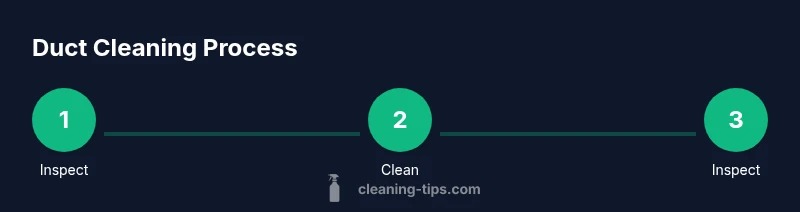
This section provides a high-level overview of the main tasks involved in a DIY duct cleaning. For a detailed, step-by-step protocol with exact actions and timing, see the dedicated STEP-BY-STEP block below. In short:
- Prep the area and protect your living spaces.
- Isolate and inspect the system to identify where buildup is heaviest.
- Clean accessible ducts and components with proper tools and careful technique.
- Clean registers and diffusers separately, then reassemble and test the system.
- Document any issues (leaks, mold, pests) and plan follow-up actions if needed.
While this overview covers the key actions, remember that duct cleaning is not a universal solution for every home. If you encounter mold, pests, or structural damage, professional help is recommended to ensure safety and proper remediation.
For DIY success, keep sections organized, work in small zones, and avoid over-wetting or aggressive scrubbing that could damage duct seals. Always follow safety protocols and manufacturer recommendations for your HVAC equipment.
Safety considerations and when to hire a professional
Safety comes first when cleaning ducts. Avoid using water directly inside metal ductwork or sealants that aren’t approved for HVAC use, which can create corrosion or unsafe residues. If you encounter mold growth that appears extensive, or if you notice pest activity, consult a licensed HVAC technician or indoor air quality specialist. Large-scale mold remediation requires containment, specialized cleaning agents, and proper disposal, which are beyond typical DIY capabilities. Electrical components near the ductwork should be treated with care; never spray liquids near electrical boxes or fans. If you have limited mobility, respiratory concerns, or a complex multi-zone system, hiring a professional ensures consistent results and reduces the risk of damaging your HVAC system. Your decision should weigh the costs against potential energy savings, improved air quality, and the safety of your household.
Key warning signs that call for professional help include persistent musty odors, visual mold growth, obvious air leaks, pest intrusion in ducts, or a system that never seems to deliver adequate airflow despite a clean filter. In these cases, an accredited service provider can perform a comprehensive assessment, including mold remediation if needed, duct sealing, and system optimization.
Post-cleaning maintenance and tips to keep ducts clean
Keeping ducts clean after cleaning is about minimizing dust entry and maintaining good filtration. Start by changing HVAC filters on the recommended schedule and using high-efficiency filters if appropriate for your system. Seal any obvious gaps or leaks in the ductwork, especially around joints and where the duct runs through walls and ceilings. Monitor humidity levels in living spaces; high humidity promotes mold growth, while very dry air can cause static and discomfort. Regularly vacuum around supply vents and registers with a vacuum equipped with a HEPA filter to capture loose dust before it re-enters the air stream. If you have pets, brushing their fur and managing pet dander can significantly reduce indoor dust. Scheduling annual or biennial professional checkups keeps the system in good shape and helps catch issues early, before they escalate into costly repairs.
Common myths and misconceptions
There are several myths about duct cleaning that can lead homeowners to waste time or money. First, duct cleaning is always necessary after every remodel or new construction; in many cases, cleaning the HVAC system's accessible components and changing filters is enough. Second, duct cleaning will instantly fix all air quality problems; while it can reduce irritants, other factors—such as humidity, filtration quality, and source control—also play crucial roles. Third, cleaning ducts is inherently dangerous; when performed with proper safety gear and by trained personnel, it can be safe for most homes. Finally, all visible dust means dirty ducts; sometimes visible dust is simply dust that has settled on registers or nearby surfaces and does not indicate duct contamination. Addressing expectations with a qualified professional helps separate myths from practical steps.
Tools & Materials
- Vacuum with HEPA filtration(Aim for 16-20 gallon capacity; a HEPA filter is essential for dust control)
- Soft brushes with flexible wand(For reaching bends and elbows without damaging surfaces)
- Drop cloths or plastic sheeting(Protect floors and furniture from dust and debris)
- Duct cleaning brush set or radiator brush(Useful for stubborn deposits in tight spaces)
- PPE: N95 mask, safety goggles, gloves(Protect lungs and eyes from dust and particles)
- Bright flashlight(Inspect interior duct surfaces and joints)
- Tape and plastic sheeting for containment(Create a simple containment area to limit dust spread)
Steps
Estimated time: 60-90 minutes
- 1
Prepare the space
Clear the area around registers, lay down drop cloths, and turn off the HVAC system. Ensure pets and kids are away from the work zone. Gather all tools in a central location to minimize trips.
Tip: Check electrical panels for obvious hazards before starting. - 2
Protect and isolate the system
Seal off vents on the supply and return sides with plastic and tape to prevent debris from entering the living spaces. If possible, create a small negative pressure environment to keep dust contained.
Tip: Avoid over-sealing; you still want to be able to inspect joints later. - 3
Inspect the ducts and components
Use a flashlight to inspect accessible ducts, joints, and plenums for dust buildup, mold growth, or pest activity. Make note of areas that require extra attention or professional involvement.
Tip: Document issues with photos for reference when talking to a pro. - 4
Clean ducts and components
Vacuum accessible duct surfaces, using brushes to loosen deposits. Wipe down grilles and diffusers with a damp cloth and mild cleaner, then dry thoroughly before reinstallation.
Tip: Work in small sections to prevent overfilling your vacuum and to stay organized. - 5
Clean registers and diffusers
Remove covers, wash with mild soap, rinse, and dry completely. Reinstall firmly to avoid air leaks and rattling noises.
Tip: Inspect covers for cracks or warping; replace if needed. - 6
Reassemble and test the system
Restore power, run the system on a cool cycle, and listen for unusual noises or odors. If airflow remains weak or you notice persistent smells, consider a professional evaluation.
Tip: Note any changes in airflow or room comfort for future reference.
Questions & Answers
Is it safe to clean my own ducts, or should I hire a professional?
DIY cleaning is feasible for simple, accessible ductwork and light dust. For mold, pest intrusion, or complex duct layouts, hire a licensed professional.
DIY cleaning works for simple ducts, but professional help is best for mold or complex systems.
What tools do I need for a DIY duct cleaning?
A HEPA vacuum, flexible brushes, microfiber cloths, PPE, and protective coverings are essential.
You'll need a HEPA vacuum, brushes, PPE, and protective coverings.
Should I clean ducts if I notice mold?
Visible mold requires professional remediation. Do not scrub mold yourself; use a professional service with proper containment and safety protocols.
If you see mold, get a pro to handle it.
How long does a typical duct cleaning take?
A straightforward cleaning of a standard home typically takes 1-2 hours; larger homes or multi-zone systems take longer.
Most jobs take about 1 to 2 hours for a standard home.
Can cleaning ducts improve energy efficiency?
Clean ducts can improve airflow and efficiency, but gains vary with system condition and home airtightness.
Duct cleaning can help airflow and efficiency when buildup is significant.
What maintenance helps keep ducts clean between cleanings?
Change filters regularly, seal leaks, and manage humidity to minimize dust and mold growth.
Regular filter changes and leak sealing help keep ducts clean.
What signs indicate I should schedule a professional duct cleaning?
Persistent dust, musty odors, visible mold, or pests in ductwork are red flags for a pro evaluation.
If you notice musty smells or dust that won't go away, call a pro.
Watch Video
The Essentials
- Plan and prep before starting to minimize mess
- Use a HEPA-equipped vacuum for safe debris removal
- Inspect for mold or pests and address promptly
- Reassemble carefully; conduct a brief system test
- Maintain ducts annually to prevent buildup