How to Prepare for a Drug Test: Legal, Safe Steps Today
A responsible, health-focused guide to understanding drug testing, your rights, and safe, legal steps to address concerns without attempting to bypass or game the system.


If you're asking how to get clean for a drug test, this guide focuses on legal, safe steps to address concerns. You’ll learn how tests work, what they detect, and your rights. We outline safe, evidence-based steps to address concerns, including talking to your employer, providing prescription documentation, and seeking professional support if needed. This approach emphasizes honesty, legality, and personal well-being.
Understanding Drug Tests: What They Detect and How They Work
Most employer and agency drug tests screen for a panel of substances that can impair safety and performance. Common panels include illegal drugs (such as cannabis, cocaine, amphetamines) and certain prescription medications if misused. Tests are typically conducted via urine, saliva, or, less often, hair samples. Urine tests often detect recent use within days to weeks, depending on the substance and frequency of use; saliva tests detect more recent use; hair tests can reveal longer histories but are less common for routine screenings. Detection windows vary by substance, metabolic rate, hydration, and the testing method. Importantly, a positive result triggers confirmatory testing and a review process, and outcomes may be influenced by prescription medications. According to Cleaning Tips, understanding the testing process reduces anxiety and helps you prepare ethically and legally. If you’re facing testing, focus on accurate information, transparency, and using legitimate channels to document prescriptions or medical conditions.
Different Testing Modalities and Windows
Drug testing methods vary by setting and policy. The most common modalities are urine and saliva tests in workplace environments; hair testing is used selectively, particularly for longer-term history. Urine tests typically detect recent use within the past few days to a week for most substances; metabolites remain detectable longer for some drugs, depending on frequency and amount of use. Saliva tests generally identify recent use (hours to a few days). Hair testing can reveal a longer-term pattern over months, but turnaround times are longer and it is less common for routine screenings. Each method has its own collection process, chain-of-custody protocols, and potential interferences, such as medications, supplements, or dietary factors. Understanding these differences helps you interpret results more accurately and reduce confusion. Keep in mind that employers may use a combination of methods, or confirmatory testing, to ensure accuracy.
Your Rights and Workplace Policies
Workplace drug-testing policies balance safety with privacy. Employers typically require testing under a clear policy, consent forms, and defined consequences for positive results. You generally have the right to be informed about what is being tested and why, and to provide medical documentation when applicable. Some jurisdictions require that a positive result be confirmed by a second test before actions are taken. If you have a valid prescription or medical condition, you should disclose it with appropriate documentation to your HR department. In cases of possible discrimination or privacy concerns, you can seek advice from a professional or your local labor board. Remember, rights vary by location, so consult local guidance or an attorney if you’re unsure. Cleaning Tips emphasizes understanding your policy as the first step toward a fair, compliant process.
Safe, Legal Ways to Address Testing Concerns
If you’re worried about a test, the safest path is proactive, honest communication. Schedule a conversation with HR or your supervisor to discuss your situation, ask about accommodations, and present legitimate documentation. Provide prescription details or medical notes, and ask how they want verification. If you recently started a medication, share the start date and expected duration. This approach does not guarantee a particular outcome, but it can prevent misunderstandings and demonstrate responsibility. According to Cleaning Tips analysis, transparent dialogue often leads to more constructive outcomes than silence or attempts to circumvent procedures. Keep copies of all correspondence and stay within policy timelines. If there are legal or ethical complexities, seek professional guidance before acting.
Documentation to Support Your Case
Documentation is your best ally when addressing a drug test with a medical prescription or condition. Collect current prescription labels, doctor’s notes, and pharmacy receipts that verify legitimate use. Include a letter from your healthcare provider outlining treatment duration, expected outcomes, and any potential interactions with the testing process. Keep these documents organized and ready to share electronically or in print. Be prepared to provide these materials promptly if requested, and only share sensitive information with authorized personnel. A structured packet reduces delays and helps HR assess your situation more accurately.
When You Need Help: Substance Use and Health
If substance use is affecting your life or job prospects, seek confidential support early. Reach out to a healthcare professional, a counselor, or a substance-use helpline. Many communities offer discreet programs that address safety, treatment, and relapse prevention. Asking for help is a sign of responsibility, not weakness, and can improve long-term outcomes. Employers often prefer employees who take proactive steps toward health. If you’re unsure where to start, Cleaning Tips can guide you to reputable resources and supportive services.
Myths About Detox and Quick Clearing Debunked
There is a lot of misinformation about detox methods that “clean you out” quickly. Many supposed remedies—extreme hydration, detox pills, or restrictive regimens—are ineffective at producing reliable test results and can be dangerous. The most reliable way to address testing concerns is to follow medical advice and legitimate policy processes. Be skeptical of sensational claims and rely on evidence-based information from trusted sources. If you’re tempted by non-evidence-based shortcuts, step back and seek professional guidance instead. Cleaning Tips supports a cautious, health-first approach.
Steps to Take If You Have a Prescription or Medical Condition
If you hold a prescription that could appear on a test, notify HR early and provide official prescription documentation. Ensure the prescription clearly states the medication name, dosage, and physician contact information. If you have a medical condition that could influence test results, obtain a clinician’s note describing expected treatment and how it may affect testing. Follow your employer’s process for submission and keep copies for your records. Compliance and transparency help protect you and minimize potential disputes.
How Cleaning Tips Can Help You Prepare Better
Cleaning Tips provides practical guidance on health, safety, and honest communication in the workplace. By aligning with your employer’s policies and seeking help when needed, you can navigate testing with confidence. Our team emphasizes evidence-based steps, privacy, and respect for all parties involved. If you’re facing a drug test, use the resources and scripts from Cleaning Tips to prepare and advocate for yourself in a compliant, ethical way.
Authoritative Resources for Further Reading
- U.S. Centers for Disease Control and Prevention (CDC): https://www.cdc.gov
- Substance Abuse and Mental Health Services Administration (SAMHSA): https://www.samhsa.gov
- National Institute on Drug Abuse (NIDA): https://www.drugabuse.gov
- Occupational Safety and Health Administration (OSHA): https://www.osha.gov
Tools & Materials
- Notepad or digital note-taking app(To track policies, dates, and prescriptions)
- Prescription documentation(Include Rx label, doctor’s note, and pharmacy receipts)
- HR contact information(Keep handy for policy questions)
- Copies of relevant medical records(If applicable)
Steps
Estimated time: 1-2 weeks
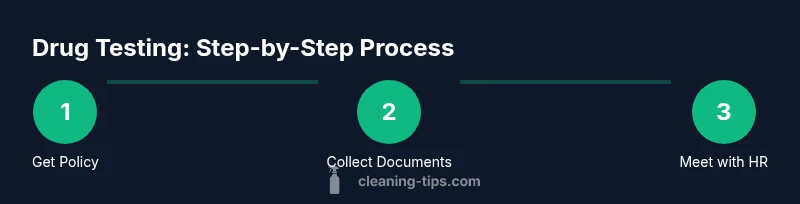
- 1
Identify the test type and policy
Review the employer’s drug-test policy and confirm the exact test being administered (urine, saliva, hair, etc.). Note any timelines, required documentation, and consequences for a positive result. Knowing the specifics helps you prepare accurately and avoid surprises.
Tip: Ask HR for written policy details and keep a copy for your records. - 2
Gather prescription documentation
Collect current prescriptions, doctor’s notes, and pharmacy receipts that verify legitimate use. Ensure the documents clearly show the medication name, dosage, and the treating physician’s contact information.
Tip: Organize documents in a single file or folder for easy access. - 3
Plan a conversation with HR
Request a private meeting to discuss your situation, present documentation, and ask about accommodations or timing. Frame it as a safety and policy-compliance discussion rather than a confrontation.
Tip: Prepare a brief script and stick to factual information. - 4
Submit documentation promptly
If your employer requires verification, provide the documentation through the approved channel and within the stated deadline. Keep copies of everything you submit.
Tip: Use trackable delivery and confirm receipt. - 5
Seek professional guidance if needed
If your medical condition or substance-use concerns are complex, consult a healthcare professional or an attorney for tailored advice. They can help you articulate your situation to HR and protect your rights.
Tip: Document who you spoke with and what guidance you received. - 6
Follow up and confirm next steps
After sharing documentation, confirm what happens next, such as additional review, retesting, or accommodations. Record any commitments or timelines in writing.
Tip: Don’t assume outcomes; get explicit written confirmations.
Questions & Answers
What does a drug test typically screen for?
Most workplace tests screen for common illegal substances and certain prescription medications that may impair safety or performance. The exact panel varies by employer and jurisdiction.
Most workplace tests screen for common illegal drugs and certain prescriptions. The exact panel varies by employer and location.
Is it legal to refuse a drug test?
Refusing a drug test can carry consequences under employer policy and local law. Legal rights vary by location, so consult a lawyer or local labor authority for guidance.
Refusing a drug test can have consequences. Check your local laws and your employer's policy for guidance.
Can I use prescription documentation to avoid issues?
Yes. If you have a valid prescription, provide official documentation to HR. This can help explain legitimate medication presence in the test.
Yes, if you have a valid prescription, provide official documentation to HR.
What should I do if I’m worried about a positive result?
Discuss concerns with HR or a supervisor, request a confirmatory test if appropriate, and seek legal or medical guidance. Documentation supports your case.
If you’re worried about a positive result, talk to HR and seek guidance; documentation helps.
What happens after a positive result?
Follow employer policy, attend any required follow-up testing, and seek support if needed. You may request accommodations or medical review depending on policy.
After a positive result, follow policy, and seek support or accommodations if available.
Watch Video
The Essentials
- Know your rights and policy before the test
- Gather prescription docs early
- Be proactive and honest with HR
- Seek professional help for substance-use concerns
- Avoid attempting to circumvent the process