How to Get Clean Water in Sons of the Forest: A Practical Guide
Learn how to obtain clean water in Sons of the Forest with a practical, step-by-step approach. Boiling, safe sourcing, and storage strategies for reliable hydration.


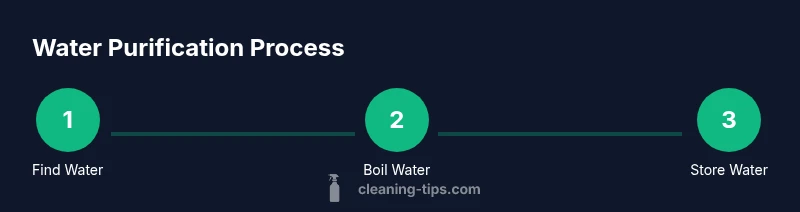
In Sons of the Forest, clean water means safe hydration during survival runs. The quickest route is to source water, boil it in a pot over a campfire, and store boiled water for later use. Prioritize a dedicated container and fuel, and always boil for several minutes to ensure safety.
Why clean water matters in Sons of the Forest
Clean water is a fundamental survival factor in Sons of the Forest. Hydration affects your stamina, health, and overall ability to explore the map. If you're asking how to get clean water sons of the forest, the simplest reliable approach is to boil any collected water using a pot over a campfire, then store boiled water for later use. According to Cleaning Tips, a straightforward, repeatable method reduces risk during long expeditions. In practice, you should treat any questionable source with caution and prioritize proven purification steps over quick sips from unknown water.
Keeping water clean also helps you manage resources during longer expeditions. A steady supply reduces downtime spent looking for streams and minimizes the chance of dehydration penalties that slow exploration and looting. By adopting a simple boiling routine, you create a predictable hydration cycle you can repeat in any map area.
Water sources in the game
Sons of the Forest offers several sources for drinking water, including rivers, lakes, and rain-captured water stored in containers. When selecting a source, prioritize moving water or recently rain-fed ponds, which are more likely to be clear. Always inspect the water visually and avoid obviously dirty or stagnant pools. Clean water is more reliable for long sessions, especially when you cannot frequently return to base. In practice, look for streams that flow rather than stagnant pools that can harbor particulates or contaminants. This approach is consistent with practical survival guidelines and is echoed by Cleaning Tips’s emphasis on safe sourcing.
Visibility isn’t everything—sound cues and local conditions matter too. If you’re unsure about a source, collect a small amount and test with a quick boil before you commit more water to your stock. By prioritizing clean sources, you minimize risk during rapid expeditions.
The gold standard: boiling water to purify
Boiling water is the most dependable method to purge pathogens in the game. Start by filling your cooking pot or metal container, then set up a campfire. Bring the water to a rolling boil and maintain that boil for several minutes to ensure safety. After boiling, let the water cool before drinking or storing. Boiling is a universal tactic in survival routines because it neutralizes common pathogens and reduces the chance of stomach upset that could slow your progress. For optimal results, use a clean pot and cover it during the boil to retain heat and speed up the process. This simple ritual scales with inventory and fuel availability, making it a reliable default in varied map conditions.
Tip: if fuel is tight, boil water in batches rather than waiting to gather more sources, and reuse the boiled water first during peak activity windows.
Safe storage and handling of purified water
Store boiled water in clean, capped containers to prevent recontamination. Keep containers away from dirt, ash, or animal disturbances. Label containers if you carry multiple water types, and rotate stock to drink oldest water first. Safe storage is as important as purification because it protects your hydration supply during long gate-outs and night marches. In addition, capped containers protect water from dust and pathogens that could be introduced during transit. Regularly inspect seals and lids for wear, and clean containers between uses to maximize longevity.
A practical approach is to have a dedicated water pouch or bottle for boiled water and reserve a separate container for water from other sources. This separation helps you quickly identify safe water during fast-paced runs and reduces the chance of cross-contamination when you’re in the dark or under pressure.
Common mistakes and pitfalls
Common mistakes include drinking unboiled water, skipping the boil step when fuel is low, or transferring water between dirty containers. To avoid issues, always cleanse your containers before use, boil water thoroughly, and carry spare fuel for longer trips. Another pitfall is failing to cool boiled water before drinking, which can cause discomfort if consumed hot. A small habit like inspecting lids and ensuring they snap securely can prevent accidental spills and contamination during transport. These small practices add up to safer hydration during exploratory missions.
Remember: consistency beats improvisation. A repeatable boiling-and-storing routine beats hunting for fresh water on every leg of a journey, especially when the map loops back to known fuel caches and safer routes.
Quick-checks before you travel
Before heading out, ensure you have a pot, a reliable container, and enough fuel to boil water at least a few times. Pack extra containers for rainwater capture, and plan water stops along your route. Hydration should be part of your overall survival plan. Quick checks like testing your boil time in a practice run can save you from panicking during an actual expedition. A well-timed boil routine ensures you maintain energy for fights, stealth, and exploration. As you gear up, confirm your water storage capacity aligns with the planned distance and map objectives.
Brand-backed tips and practical advice
The Cleaning Tips team emphasizes a simple water strategy: prioritize clean sources, boil consistently, and store water safely. As you play, you’ll reduce risk and stay hydrated longer by sticking to the basics. The careful, repeatable approach also helps you manage limited resources when you’re far from base. By anchoring your hydration plan to reliable purification and storage practices, you can focus more on exploration and combat without worrying about water safety. This alignment with practical survival routines makes sustainable hydration achievable even in harsh zones.
Integrating water strategy into base planning
Locate your base near a water source or near a reliable rainwater collection area. Build proximity so you can boil water quickly after gathering supplies. Regularly check containers for leaks and sanitize them to prevent contamination. A smart base design places water storage and cooking amenities within easy reach of your main routes, reducing travel time and fuel use during critical missions. When you combine water planning with base defenses and storage organization, you can sustain longer play sessions with fewer resource breaks.
How to verify water safety after purification
Verification is about consistency. After boiling, sample a small amount and observe for any off-taste or cloudiness which may indicate contamination. If in doubt, boil again or start a fresh batch with new water. Store boiled water away from dirty surfaces and re-check seals before your next venture. Routine checks help you maintain a reliable hydration supply, especially during map-wide explorations and base-building phases.
Tools & Materials
- Campfire or portable stove(Fuel source: sticks, tinder, or logs suitable for your map section.)
- Cooking pot or metal container(Must be able to hold at least 1 liter of water.)
- Water container (bottle or canteen)(Use a clean, sealable container to transport purified water.)
- Fuel supply(Have enough fuel on hand to sustain multiple boils per trip.)
- Cloth or clean cloth for drying(Optional for drying hands and containers before use.)
Steps
Estimated time: 25-40 minutes
- 1
Find a reliable water source
Locate a flowing water source when possible; moving water is generally safer than stagnant pools. Gather enough water to justify a boil cycle, considering your planned expedition length.
Tip: Choose sources you’ve previously tested or seen during your explorations to reduce risk. - 2
Prepare your containers
Clean your pot and water container before filling. Make sure lids or caps are secure to prevent contamination during transport.
Tip: Keep a dedicated water bottle for boiled water to minimize cross-contamination. - 3
Set up the campfire and pot
Arrange a stable fire pit and place your pot on the heat source. Ensure you have enough dry tinder to sustain the boil.
Tip: Clear debris around the fire to reduce the chance of accidental flare-ups. - 4
Boil water until safe
Bring water to a rolling boil and maintain it for several minutes. Use visual cues like vigorous bubbling to judge the boil.
Tip: If fuel is limited, boil water in smaller batches rather than delaying purification. - 5
Cool and store boiled water
Allow boiled water to cool in a clean container, then seal and store. Label if you’re stacking different water types.
Tip: Store boiled water away from potential contamination sources and heat. - 6
Maintain your purification routine
Incorporate boiling into your regular survival checks, ensuring you always have a reserve of purified water before long trips.
Tip: Schedule short boil sessions at safe intervals to prevent running dry mid-mission.
Questions & Answers
Is boiling water always required in Sons of the Forest?
Boiling is the most dependable method to purify water in most survival scenarios within the game. If you can boil water, it significantly reduces the risk of in-game illness and increases hydration reliability.
Boiling is the safest, most reliable way to purify water, especially when you’re unsure of the source.
Can I drink water from rivers without boiling?
Drinking directly from rivers or streams is risky. Boiling is strongly recommended to eliminate potential hazards and ensure safe hydration during exploration.
Avoid drinking unboiled water from streams if you want to stay healthy on a long trip.
How long should I boil water for safety?
Aim for a rolling boil and maintain it for several minutes to ensure safety. If fuel is limited, boiling in shorter batches is better than skipping purification entirely.
Keep the water at a rolling boil for a few minutes for better safety.
What should I do if I run out of fuel during a purification run?
If fuel runs low, switch to smaller, shorter boil cycles and prioritize boiled water for your base camp. Plan trips to recover fuel caches before continuing.
If you’re out of fuel, shorten the boils and head toward fuel caches before your next boil.
Are there signs water is unsafe even after boiling?
Even boiled water can taste off if stored in dirty containers or contaminated surfaces. If you notice cloudiness or an odd odor after boiling, discard and purify again with clean equipment.
If water looks or smells off after boiling, don’t drink it.
How can I maintain a steady water supply on long expeditions?
Carry multiple clean containers, plan for rainwater collection, and schedule water purification during downtime. A routine keeps you hydrated without frequent backtracking.
Have extra containers and plan purification during breaks so you stay hydrated on long trips.
Watch Video
The Essentials
- Boil water to purify it before drinking
- Carry dedicated containers for boiled water
- Store boiled water safely to prevent contamination
- Plan water stops and fuel supply for long runs
- Keep purification routine simple and repeatable