How to Make Clean Water in Sons of the Forest
Learn a reliable, game-tested method to purify water in Sons of the Forest. This step-by-step guide covers boiling water, safety tips, gear, and storage to keep you hydrated during long expeditions.


In Sons of the Forest, you make clean water by boiling collected water in a pot over a campfire, then storing the purified water in a canteen or water skin. Gather a pot, fuel, and a water source, then boil for a safe duration before cooling and storing. This quick method reduces illness risk and keeps you hydrated on long runs.
Understanding Water Quality in Sons of the Forest
Clean water is a survival priority in Sons of the Forest. You’ll encounter murky streams and stagnant ponds, and unpurified water can slow you down or cause negative effects. The practical approach is to use the basic tools you already carry: a pot, a heat source, and a reliable water supply. In this guide we explain actionable steps, share tips that work in the moment, and reference how boiling water can help you stay hydrated when exploring harsh terrain. According to Cleaning Tips, mastering water purification can dramatically extend in-game endurance and improve decision-making under pressure. By treating water as a repeatable workflow, you’ll turn questionable sources into a dependable hydration supply during nights, rainstorms, and expeditions with limited fuel. The goal is to learn how to make clean water in sons of the forest quickly, safely, and with minimal waste.
What Counts as Clean Water in the Game
Water quality in the game isn’t labeled with a numeric gauge; you assess safety by effects and visuals. Clean water means water that has been boiled or otherwise purified, reducing the risk of illness and fatigue during travels. The most reliable method is boiling water using a pot placed over a campfire or fire pit. Drinking untreated water from a lake or stream can trigger negative effects that slow you down or impair judgment. Practicing purification lets you stock water at your base, lowers mid-expedition fuel anxiety, and supports steadier health over longer missions. As you gain experience, you’ll refine a purification workflow that works efficiently in cold nights and fuel-scarce periods. The core idea remains simple: make clean water in sons of the forest by boiling with the right setup, then hydrate with confidence. Practicing this habit reduces the number of water-related interruptions during a run and keeps you prepared for sudden encounters.
Core Purification Method: Boiling
Boiling water is the safest in-game method to ensure safety. The process is straightforward: fill the pot from a water source, place it on the fire, and bring the water to a rolling boil. Maintain the boil for a short period to ensure contaminants are killed, then remove from heat. In practice, you should heat until you see vigorous bubbling and hear the characteristic boil. Boiling is effective because heat denatures pathogens, mirroring real-world safety practices in a simplified game environment. After purification, allow the water to cool briefly before transferring to a canteen or water skin. A typical boil cycle in-game takes a few minutes, depending on fire intensity and pot size, so plan your purification around your route and fuel availability.
Alternatives and Safety: Can I Purify Water Any Other Way?
In current game mechanics, boiling remains the most dependable method. Some players attempt to find water that appears clean, but surface appearance can be misleading in survival settings. If you lack a functional pot or fuel, prioritize locating a flame and a container to boil water later rather than risking dehydration with unpurified sources. Cleaning Tips emphasizes reliability: boil water whenever possible, and don’t rely on untested sources for hydration when on a time-sensitive expedition. Remember that water visibility doesn’t guarantee safety, so purification should be your default approach whenever you’re unsure about a source.
Step-by-Step Flow (Conceptual) of Boiling Water
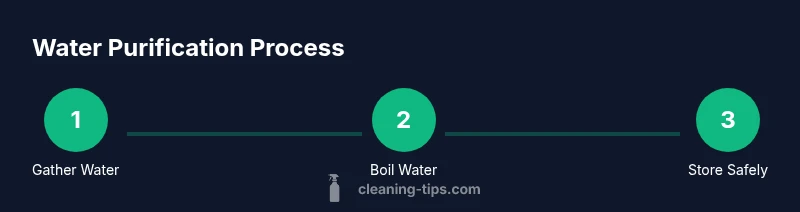
Begin by gathering water from any available source, ideally a calm one you can assess. Grab your pot, fill it, and place it over a steady campfire. Light or rekindle the fire if needed, ensuring the flame is strong enough to bring the water to a boil. When you see a rolling boil, maintain it for a moment to ensure purification and prevent rapid cooling. Remove the pot from the flame and let it cool briefly before pouring into your canteen or water skin. If you have a portable bottle, you can reuse the same pot for multiple clear water cycles in a single session. This flow highlights practical timing and safety considerations while hydrating during dynamic exploration.
Practical Scenarios: Different Water Sources
From streams to ponds, each source carries different contamination risks. A moving stream is less stagnant but can still harbor pathogens; boiling will render it safe. A stagnant pond may have higher contamination risk, making purification essential. In all cases, carry your pot and fire kit, and be mindful of fuel supply. A well-planned purification routine helps sustain expeditions, especially when exploring caves or dense forests where water sources are scarce. With practice, you’ll recognize ideal gathering spots and how to purify water quickly on the go.
Storage and Using Purified Water
After boiling, transfer purified water to your water skin or canteen and seal it to minimize recontamination. Avoid leaving boiled water exposed in hot conditions, which can reintroduce contaminants. If you store purified water for longer trips, consider separate containers to prevent cross-contamination with unpurified sources. Maintaining a steady supply of clean water reduces dehydration, fatigue, and poor decision-making in high-stress moments. Regular purification ensures you can hydrate without interrupting your exploration.
Common Pitfalls and How to Avoid Them
Rushing purification by skipping a full boil is a common mistake that leaves contaminants, especially when the fire is weak. Running out of fuel also makes purification unreliable. Don’t assume that clear water is safe—visually clean water can still be unsafe. Always purify to the boiling standard and store purified water away from unpurified sources. View each run as a learning loop: identify water sources, practice the boil, and refine your purification routine for future expeditions.
Real World Parallels: A Touch of Realism in the Game
Although in-game purification is simplified for pacing, the core idea mirrors real-world water safety: boil to kill pathogens and store safely. The game chooses a streamlined approach, but applying a real-world mental model—find a water source, boil, and store—improves reliability during survival. For players seeking added realism, imagine introducing a basic filtration step or reboiling water in cooler conditions to understand the interplay between heat, time, and safety. This blend of gameplay and practical thinking helps connect the fictional task to sensible hydration practices.
Tools & Materials
- Pot (metal cooking pot)(Standard in-game pot that can be placed on a fire)
- Canteen or water skin(Container to store purified water for travel)
- Campfire or fire pit(Need a flame to boil water)
- Fuel for fire (wood, sticks, charcoal)(Sufficient fuel to bring water to a boil and sustain the flame)
- Water source (lake/stream/river)(Source to fill the pot before boiling)
Steps
Estimated time: 10-15 minutes
- 1
Gather the gear
Collect the pot, canteen, fire source, and fuel. Make sure you have a reliable water source nearby before you start. Organize your kit so you can access each item quickly during gameplay.
Tip: Keep your water purification kit near your shelter or base for fast access. - 2
Light the campfire
Find a safe clearing, lay fuel, and ignite a steady flame. A strong flame reduces the time needed to reach a rolling boil and helps you manage the purification cycle.
Tip: Use dry wood or kindling to avoid delays from smoke and hesitation. - 3
Fill the pot with water
Fill the pot from a nearby water source, avoiding obvious debris. A clean fill reduces the chance of impurities that survive boiling.
Tip: If you see leaves or dirt, rinse once more before boiling. - 4
Boil the water
Place the pot on the fire and bring it to a rolling boil. Maintain the boil for a moment to ensure purification and to kill contaminants.
Tip: Avoid stirring aggressively to prevent splashing and burns. - 5
Cool and transfer
Remove the pot and allow the water to cool briefly. Pour into your canteen or water skin carefully to avoid spills.
Tip: Use a counter or cloth to shield your hands when handling hot containers. - 6
Store and reuse
Seal purified water in a clean container and label if possible. Store in your pack so you have hydration ready for the next leg of your journey.
Tip: Keep purified water separate from unpurified sources to prevent cross-contamination.
Questions & Answers
Can I drink water without boiling in some situations?
Drinking unboiled water can cause in-game sickness or debuffs. Always purify water by boiling when possible.
Drinking unboiled water is risky in the game. Boil first to stay healthy and hydrated.
What equipment do I need to purify water?
You need a pot, a fuel source, a campfire or fire pit, and a water source to purify water.
Grab a pot, fire, fuel, and a water source to boil clean water.
How long should I boil water?
Boil until you see a rolling boil and maintain it briefly to ensure purification; exact minutes aren’t stated in-game.
Boil until it’s rolling and stay a moment longer to ensure it’s purified.
What if I run out of fuel?
If fuel runs low, find more fuel or return to base to restock, then resume purification later.
If you run out of fuel, gather more wood and restart purification when you can.
Does purified water spoil or stack?
Purified water can be stored for later use; keep it sealed to prevent contamination.
Purified water stores for later; keep it sealed until you need it.
Watch Video
The Essentials
- Boil water to purify it before drinking
- Always have a pot, fuel, and a water source ready
- Store purified water in a clean container
- Avoid relying on visually clear water without purification
- Practice the purification routine to save time on expeditions