How to Get Started Cleaning Your Room
Learn how to get started cleaning your room with a practical, eco-friendly approach. This step-by-step guide covers planning, tools, routines, and maintenance for a healthier space.


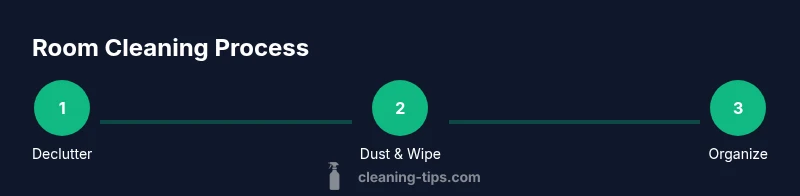
If you’re wondering how to get started cleaning your room, this 6- to 8-step approach helps you move quickly from clutter to calm. Define a small goal, gather essentials, declutter, clean surfaces, refresh floors, and establish a simple weekly routine. You’ll finish faster when you follow a clear plan and keep eco-friendly methods in mind.
Assess the room and set goals
To get started cleaning your room, begin with a quick assessment of what exists and what you want to achieve. The goal is to define a clear target so you can measure progress as you go. As Cleaning Tips notes, a well-scoped plan reduces overwhelm and speeds results. Start by noting problem areas (dusty shelves, clothes on the floor, under-bed clutter), your preferred finish (neat, minimal, or tidy but functional), and a realistic time frame. For example, a 60-minute session can make a noticeable difference if you focus on high-impact tasks first. Write down 2-3 concrete goals and keep them visible during the project. This first step creates momentum and helps you stay accountable to your cleaning plan, especially if you’re balancing work, study, or family responsibilities.
Gather the right tools and supplies
Having the right tools ready before you start saves time and reduces back-and-forth. Assemble a focused kit: microfiber cloths, a vacuum or broom, a dusting brush, an all-purpose cleaner (or a vinegar-water mix for eco-cleaning), trash bags, storage bins or baskets, and cleaning gloves. Keep a roll of paper towels and a small trash bag nearby. Optional items that speed things up include a small hand vacuum for upholstery, a lint roller for fabric surfaces, and labeled labels or sticky notes for quick organization. By having everything within arm’s reach, you can work more smoothly and maintain rhythm from start to finish. Cleaning Tips emphasizes practical setup to prevent leakage into other tasks and keep motivation high.
Declutter first: remove what's not where it belongs
Decluttering is the fastest way to see real progress. Start by picking a zone (e.g., desk, dresser, floor) and sort items into keep, donate/sell, trash, and relocate piles. Immediately remove anything broken, unused, or out of place. Place donate items in a box and set it by the door for later drop-off. Keep a waste bag handy and empty it often to avoid reintroducing clutter. The goal is to create emptier surfaces so cleaning tasks can reach every corner. If you’re overwhelmed, break this into a 10-minute sprint for one area, then take a short break before moving to the next. Remember: decluttering reduces cleaning time later by removing hidden clutter from surfaces, drawers, and under furniture.
Dust and wipe: top-to-bottom approach
Work from the highest point to the floor to prevent recontamination. Dust ceiling corners, light fixtures, and shelves with a microfiber duster, then wipe surfaces with a damp cloth or eco cleaner. Don’t forget electronics with a microfiber screen cloth. Wipe down windowsills, wardrobe doors, desk, vanity, and any other horizontal surfaces. For stubborn grime, apply a light cleaner, let it sit briefly, then wipe away. Use circular motions for wood or plastic finishes and avoid harsh solvents on delicate surfaces. If you have houseplants, wipe leaves to improve air quality. This top-to-bottom rhythm minimizes re-dusting and yields a noticeably cleaner space.
Clean the floors and refresh textiles
Vacuum or sweep the entire floor, moving furniture only when necessary. Focus on corners, under beds, and between furniture where dust hides; use attachments for upholstery and curtains. Mop hard floors after sweeping to remove fine dust and spills. Launder washable textiles (bedding, pillowcases, curtains) according to care labels; replace or rotate textiles to keep the room feeling fresh. If you use rug refreshers, apply lightly and ensure complete drying. A refreshed floor and textiles immediately highlight the room’s cleanliness and comfort.
Organize storage and reclaim surface space
Organize with simple storage: clear bins, labeled baskets, and a concise file system for papers. Designate a home for frequently used items: a desk tray, a bedside caddy, and a small closet zone. Use vertical space: wall shelves or hooks for bags and accessories. When finished, return items to their places and test the flow: walk through the room to ensure everything has a defined spot. A tidy room also affects mood and productivity, making upkeep easier throughout the week.
Clean textiles and refresh the room's feel
Bedding, curtains, and cushions contribute to cleanliness and comfort. Wash or rotate blankets, pillow covers, and duvet covers; dry thoroughly before returning. Shake out cushions outdoors if weather allows, or use a dryer with a clean lint filter. Consider textiles that resist dust and are easy to wash. By refreshing textiles, you immediately notice a cleaner feel and a calmer space, especially when lighting is favorable.
Create a simple maintenance routine
Set a short daily habit: 5-minute tidy (wipe down a desk, straighten clothes, and clear one surface). Schedule a weekly 20- to 30-minute deep clean on a fixed day (e.g., Sundays). Use a visible checklist or a timer to stay on track. This routine will prevent clutter from building up and make future cleans faster and less exhausting. Cleaning Tips recommends writing your routine down and checking off tasks to build momentum and consistency.
Eco-friendly options and safety basics
Choose eco-friendly cleaners and avoid harsh chemicals when possible. A simple vinegar-water solution (1:1) works well on many surfaces, but avoid vinegar on natural stone. Always test in an inconspicuous area first. Wear gloves if your hands are sensitive and keep cleaners out of reach of children and pets. Ventilate by opening a window or turning on a fan. Prioritizing safety protects you and your space while making cleaning more enjoyable and sustainable.
Tools & Materials
- Microfiber cloths(At least 6 for a typical room)
- Vacuum with attachments(HEPA filter preferred)
- Broom and dustpan(Soft-bristle recommended)
- Trash bags(One for trash, one for donations)
- Storage bins/baskets(Label clearly)
- All-purpose cleaner or eco alternative(Vinegar-water ok for many surfaces)
- Gloves(Protect hands if you have sensitive skin)
- Lint roller(Good for fabric surfaces)
- Spray bottle(For homemade cleaners)
Steps
Estimated time: 90-120 minutes
- 1
Clear the floor and surfaces
Remove items from the floor and flat surfaces to reveal the space and identify priorities. This action creates a clean slate for deeper cleaning.
Tip: Set a bin by area to sort items as you go. - 2
Declutter and sort
Sort everything into keep, donate/sell, trash, or relocate. Focus on quick wins that reduce later work.
Tip: Limit each area to 5–10 minutes of decision time to avoid fatigue. - 3
Dust and wipe high to low
Dust ceiling fixtures, shelves, and electronics first, then wipe surfaces with a damp microfiber cloth.
Tip: Use a microfiber cloth dampened with a mild cleaner for best results. - 4
Tackle floors and textiles
Vacuum the entire floor, then mop if needed. Launder textiles like bedding and curtains to refresh the room.
Tip: Wash textiles in a single load to save water and energy. - 5
Organize storage zones
Group items by use and assign dedicated spots. Use bins and labels to maintain order.
Tip: Place frequently used items within arm’s reach. - 6
Refresh the space and light
Arrange furniture to improve traffic flow and update lighting to enhance cleanliness perception.
Tip: Open blinds or switch to brighter bulbs for a cleaner look. - 7
Set a maintenance routine
Add a fixed 5-minute daily tidy and a weekly 20–30-minute deep clean to your calendar.
Tip: Use a reminder app or a visible checklist.
Questions & Answers
How long does a typical bedroom clean take?
Most cleanings take 60–120 minutes depending on clutter and room size. Breaking the task into short, focused segments helps you finish faster and with less fatigue.
A typical bedroom cleaning takes about an hour to two, depending on clutter. Break it into short chunks to stay energized.
What order should I clean a room in?
Start with decluttering, then dust high-to-low, clean surfaces, and finish with floors and textiles. This minimizes re-dusting and makes each step more effective.
Declutter first, then dust from top to bottom, wipe surfaces, and end with floors.
Is it better to clean before or after laundry?
Clean first if it helps you see what needs tidying, then launder textiles. If laundry is urgent, you can start with laundry and return to cleaning, as long as you keep a plan in place.
Clean first for visibility, then do laundry, or mix them if you’re short on time.
What if I have dust allergies?
Use a high-efficiency vacuum and wear a mask during dustier steps. Choose HEPA-filter equipment and wash textiles regularly to reduce allergen buildup.
For dust allergies, vacuum with HEPA and cleanse textiles often.
Can I involve kids or roommates in the cleaning routine?
Absolutely. Assign simple, age-appropriate tasks and use a shared checklist. Clear roles reduce friction and speed up the process.
Yes, involve others with clear tasks and a shared plan.
What are safe, eco-friendly cleaning options?
Start with a vinegar-water solution for many surfaces and use microfiber for minimal chemical needs. Test any new product on a small area first.
Use simple vinegar-water and microfiber; test surfaces first.
Watch Video
The Essentials
- Declutter first to reveal true cleaning needs
- Follow a top-to-bottom, room-wide sequence
- Create simple, repeatable routines for maintenance
- Choose eco-friendly options for safety and sustainability