How to Get Started Cleaning Your House: A Practical Guide
Learn how to get started cleaning your house with a simple, step-by-step plan. This guide covers routines, tools, and pro tips for a healthier home and a calmer daily life.


By following a simple, proven approach, you’ll learn how to get started cleaning your house with confidence. This quick answer previews the core method: establish a small, time-boxed routine, tackle a few key zones first, and use checklists to stay consistent. You’ll gain momentum fast, reduce overwhelm, and set up sustainable habits that keep your home healthier. Cleaning Tips’ guidance emphasizes practicality, speed, and steady progress.
Why starting a cleaning routine matters for health and sanity
If you’ve ever struggled to keep your home consistently tidy, you’re not alone. If you’re asking how to get started cleaning your house, this guide provides a clear, practical path. According to Cleaning Tips, a simple, repeatable routine yields the biggest long-term health and convenience benefits. A clean environment reduces allergens, supports better sleep, and lowers stress. This section explains why investing in a routine pays off in both health and time saved over weeks and months. You’ll learn how small, daily actions compound into big results, how to prioritize spaces, and how context—like family schedules and pet life—matters when you design your plan. The goal is to build momentum with a plan that feels doable in real life.
In practice, a routine gives you a sense of control in a busy home. It also makes housekeeping predictable rather than overwhelming. When you know what to do and when to do it, you waste less time deciding what to tackle next. This section sets the foundation for turning cleaning into a manageable habit rather than a marathon.
Before you begin: set up a clean-start plan
Before you lift a cleaning supply, take five minutes to set up a clean-start plan. Create a simple zone map of your home, decide which areas will be cleaned first, and choose a consistent day/time for a weekly reset. Gather your tools and supplies so everything you need is within arm’s reach. Based on Cleaning Tips analysis shows that having a clear plan reduces decision fatigue and helps you stay on track even when life gets busy. Write down your priorities, allocate a modest daily window (15–30 minutes is enough for most tasks), and commit to finishing each zone before moving on. This preparation pays off in momentum and fewer half-finished projects.
A practical plan also means identifying “anchor” tasks you’ll always do, such as wiping down a sink after each use or sweeping entryways daily. When you connect these anchors to a broader routine, you’ll notice fewer big clutter piles and a steadier level of cleanliness across the home.
Core routine: a simple 4-step cleaning cycle
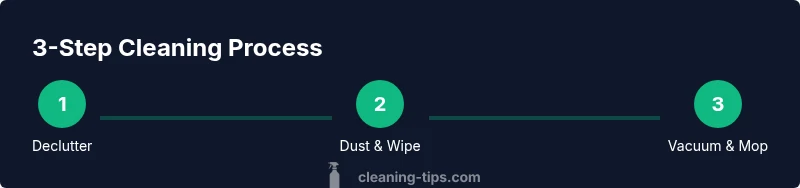
A practical cleaning session can be broken into a repeatable four-step cycle. Step 1: Declutter and reset surfaces—clear away clutter and return items to their homes so you can see what actually needs cleaning. Step 2: Dust and wipe from top to bottom—start with light fixtures, shelves, and furniture, then wipe down counters and glass. Step 3: Vacuum or sweep floors—focus on high-traffic areas first, then move to edges and under furniture. Step 4: Mop and sanitize high-touch areas—after floors are clean, wipe door handles, switches, and shared surfaces with a suitable cleaner. Repeat this cycle in each room, adjusting for floor type and material. Tip: keep a dedicated cleaning caddy so you don’t waste time hunting for supplies; consistency matters more than intensity every session.
Task-specific workflows: kitchens, bathrooms, living areas
In the kitchen, wipe countertops, clean the sink, and dry appliances to avoid water spots. Don’t forget the frequently touched surfaces like cabinet handles. In the bathroom, focus on the toilet, shower, and vanity; rinse and dry tiles to prevent soap scum. In living areas, dust electronics and decorative items, vacuum rugs, and fluff cushions. Use eco-friendly cleaners where possible, like diluted vinegar for hard surfaces and water for glass. If you have kids or pets, store cleaners out of reach and use child-safe products. This section provides practical routines you can adapt to your home’s layout and traffic patterns.
How to maintain momentum with routines and checklists
Momentum comes from small, consistent wins. Create a short daily checklist: surfaces cleaned, clutter removed, floors swept, and a quick wipe of high-touch areas. Use a printed or digital checklist to track your progress and celebrate streaks. Schedule a weekly deep-clean block to handle tasks that are easier with fresh eyes, like scrubbing grout or washing windows. Build a habit by anchoring cleaning tasks to existing routines, such as after meals or before bedtime. The right combination of cues, rewards, and accountability keeps you moving forward even when motivation dips.
Common mistakes and how to avoid them
Common mistakes include skipping high-traffic zones, overloading a single cleaning session, and using the wrong cleaners on certain surfaces. Avoid harsh chemicals that can damage finishes; test cleaners in an inconspicuous area first. Do not mix bleach with ammonia or other cleaners—this releases dangerous fumes. Ventilate bathrooms and kitchens while cleaning to reduce lingering odors and improve safety. Finally, resist the urge to ‘clean around’ clutter; addressing mess first saves time and prevents repeated passes.
Essential tools and products that save time
Having the right tools makes cleaning faster and more enjoyable. A lightweight vacuum with a good suction head, microfiber cloths, a sturdy mop and bucket, a spray bottle, and a squeegee for glass problems are foundational. Use a small brush for grout lines, a spray bottle for quick sanitizing, and a caddy to carry supplies between rooms. Choose eco-friendly cleaners or multi-surface products to simplify stock. Stock up on replacement filters, spare cloths, and spare gloves to avoid mid-session trips to the store.
Quick-start 7-day plan to establish habits
Day 1: Spend 15 minutes on a mini reset in the entry and living room; clear clutter and wipe surfaces. Day 2: Focus 15 minutes on the kitchen; wipe counters and sweep. Day 3: Tackle the bathroom; scrub the sink and toilet seat; ventilate. Day 4: Do a 20-minute living-space refresh; dust shelves and vacuum rugs. Day 5: Deep-clean a target zone (e.g., a messy closet) for 25–30 minutes, taking notes for future improvement. Day 6: Quick 15-minute sweep and wipe across all rooms, keeping to the cycle. Day 7: Review progress, adjust the plan, and set the next week’s schedule. The plan emphasizes consistency over perfection and helps you build confidence quickly.
Tools & Materials
- All-purpose cleaner(Choose a mild formula suitable for most surfaces)
- Microfiber cloths(Several soft cloths (lint-free) for dusting and polishing)
- Broom and dustpan(For quick debris pickup from hard floors)
- Vacuum cleaner(HEPA-filter recommended for better air quality)
- Mop and bucket(Microfiber mop for bathrooms and kitchens)
- Spray bottle(For diluting cleaners or water for glass)
- Scrub brushes(Different sizes for grout and tough spots)
- Gloves(Protects hands from cleaners and grime)
- Trash bags(For decluttering and disposing garbage)
- Old towels or rags(Useful for spills and drying surfaces)
- Mini squeegee(For shower doors and windows)
- Ventilation fan or open windows(Air circulation to reduce fumes)
Steps
Estimated time: 60-90 minutes
- 1
Choose a start time
Set a fixed start window and commit to cleaning for a defined period. This reduces procrastination and creates a routine you can repeat weekly.
Tip: Set a timer and treat it as a non-negotiable appointment. - 2
Declutter and reset surfaces
Clear clutter from the primary cleaning zone and put items away. A clear surface makes it easier to see what needs cleaning.
Tip: Collect items to a single bin and return them to their homes after the session. - 3
Dust and wipe top-to-bottom
Dust higher surfaces first, then work downward to avoid redistributing dust you've already cleaned.
Tip: Use a microfiber cloth for better dust trapping. - 4
Vacuum and mop floors
Vacuum carpets and mop hard floors, moving methodically from one area to another to minimize missed spots.
Tip: Vacuum edges with a narrow nozzle attachment for thoroughness. - 5
Sanitize high-touch areas
Wipe door handles, light switches, and countertops with an effective surface cleaner.
Tip: Let the sanitizer sit for the recommended contact time if required. - 6
Review and reset
Inspect the cleaned zone, tidy up the tools, and note any tasks to revisit in the next session.
Tip: Return all supplies to the cleaning caddy to finish on time.
Questions & Answers
What is the quickest way to start a cleaning session when the house is a mess?
Identify one room, remove obvious clutter, and begin the core routine (dust, wipe, vacuum) for 15–20 minutes. Completing this mini-session creates momentum and reduces overwhelm.
Start with one room, clear clutter, and begin the quick cycle; momentum grows from small wins.
How long should I clean each day to stay on track?
Even 15 minutes daily adds up. Use a fixed window and a simple checklist to maintain consistency.
Even 15 minutes daily counts—stick to a short window and a basic checklist.
What surfaces or rooms should I prioritize first?
Start with high-traffic areas: entryways, kitchen counters, and bathrooms. These spaces impact daily life the most and guide your overall routine.
Prioritize high-traffic rooms like entry, kitchen, and bath; they set the tone.
Which cleaners are safest for kids and pets?
Choose multipurpose, non-toxic cleaners or dilute with water; test on a small area and ensure proper ventilation.
Opt for non-toxic, diluted cleaners and ventilate well.
How do I keep motivation after the first week?
Track progress, reward small wins, and re-commit to a weekly plan. Pair cleaning with a pleasant routine, like music or a timer.
Track wins and keep a routine to stay motivated.
Watch Video
The Essentials
- Start with a clear, time-boxed plan.
- Tackle high-traffic zones first for immediate impact.
- Maintain momentum with simple checklists.
- Prioritize safety and ventilation.
- Progress beats perfection in cleaning.