What Can Clean My Gut? A Practical Gut Health Guide
Explore practical, evidence-based steps to support gut health with fiber, hydration, probiotics, and lifestyle habits. This Cleaning Tips guide explains safe, sustainable ways to improve digestion and comfort without harsh cleanses.


To answer what can clean my gut, focus on daily, evidence-based habits rather than detoxes. A gut-friendly routine includes fiber-rich foods, plenty of water, regular meals, and gentle probiotic sources. While no cleanse can genuinely scrub your gut, you can support balance and comfort through gradual dietary changes and consistent movement.
Understanding what gut cleansing really means and why it’s misunderstood
Many people ask what can clean my gut, hoping for a quick detox. The truth is that the gut isn’t a single surface to scrub; it’s a living ecosystem of bacteria, mucus, and enzymes. The goal isn’t to ‘clean’ it once, but to support its natural balance so digestion feels comfortable and regular. According to Cleaning Tips, the idea of a sweeping cleanse through extreme fasting or laxatives can disrupt your gut microbiome and irritate the gut lining. Instead, we aim for sustainable daily habits. A healthy gut starts with a diverse, fiber-rich diet and adequate hydration. Slow changes are less likely to trigger bloating or discomfort and help you assess tolerance to new foods. Over time, this approach reduces digestive fuss and supports overall well-being.
This section sets the stage for practical steps you can take today, focusing on what you can do daily rather than quick-fix miracles. It’s about steady progress, not perfection, and about understanding that gut health is a long-term, diet-and-lifestyle issue rather than a one-time cleanse.
The fiber and hydration foundation: how to give your gut the right inputs
Fiber acts like a broom in your gut, helping stool move and supporting beneficial bacteria. There are two broad types: soluble fiber (found in oats, beans, apples) and insoluble fiber (found in whole grains, vegetables). Hydration keeps fiber working smoothly and helps prevent constipation. Cleaning Tips analysis, 2026 shows that readers report better gut comfort when they gradually increase fiber and drink water consistently. This is not a quick fix; plan to add one new fiber source every few days and monitor tolerance. Start with familiar foods, then diversify with legumes, fruits, and vegetables. If bloating occurs, slow the pace and pair fiber with water to ease digestion. Remember: the goal is regularity and comfort, not dramatic changes overnight.
Practical tip: keep a simple food diary for 7–14 days to identify which fiber sources support you best. This records what you ate, how you felt, and any timing that made symptoms better or worse.
Probiotics and prebiotics: feeding the good bacteria
Probiotics are live microorganisms found in yogurt, kefir, sauerkraut, miso, and some fermented foods. Prebiotics are the non-digestible fibers that feed these beneficial bacteria, such as garlic, onions, leeks, asparagus, and bananas. A balanced approach includes both; some people with dairy restrictions may prefer dairy-free options like fermented vegetables or kimchi. When adding probiotic foods, start with small portions to assess tolerance, especially if you have IBS or sensitive digestion. Over time, diverse probiotic sources can help enhance stool consistency and reduce occasional discomfort. Be mindful of added sugars in some store-bought options, which can offset benefits. If you’re considering probiotic supplements, talk with a clinician about strains and doses that suit your needs.
Tip for success: rotate among several probiotic-rich foods to avoid dietary monotony and maximize microbiome diversity.
What to avoid or limit for gut comfort
Some foods and habits can irritate the gut or provoke gas and bloating. Highly processed foods, meals with heavy added sugars, and large portions late at night can disrupt digestion. Alcohol in excess and certain artificial sweeteners may worsen symptoms for some people. If you have a known digestive condition, you may need to avoid trigger foods or adjust portions accordingly. It’s not about labeling foods as inherently “bad,” but about discovering what causes trouble for your body and adapting. Acknowledge that temporary discomfort can occur when you’re making adjustments, but aim for gradual changes that your gut can tolerate without distress.
Clinical caveat: if you have a diagnosed condition or persistent symptoms (such as severe abdominal pain, unintentional weight loss, or blood in stool), seek medical guidance rather than self-managing with dietary changes alone.
A practical, 7-day gut-friendly plan (sample pattern)
Day 1-2: Add one high-fiber food you enjoy (e.g., oats or berries) with plenty of water. Day 3-4: Introduce a probiotic-containing food (yogurt or kefir) in a small portion. Day 5-6: Include prebiotic foods like garlic or onions in at least one meal. Day 7: Review how you feel and adjust portions accordingly. Throughout the week, aim for regular meals at similar times and a target of 8 cups (about 2 liters) of fluids per day, adjusted for activity and climate. If you’re not used to high fiber, pace changes to avoid gas or bloating. It’s about sustainable habit-building, not perfection.
A realistic alternative is to interpolate these changes across two weeks if needed. The key is consistency and listening to your body. If you notice persistent symptoms, pause and consult a healthcare professional before continuing.
Monitoring progress and knowing when to seek help
Gut health improvements often show up as more regular bowel movements, less bloating, and greater overall comfort after meals. Tracking patterns—from stool consistency to energy levels—helps you see trends and identify what works best for your body. If symptoms persist, worsen, or include weight loss, fever, or blood in stools, it’s important to seek medical evaluation. Natural strategies are beneficial for most people, but they aren’t a substitute for professional care when warning signs appear. The goal is a smoother, more comfortable daily routine, not a dramatic overhaul that causes distress.
Finally, remember that lifestyle factors outside food—sleep quality, stress levels, and physical activity—also shape gut health. A holistic approach tends to be more successful than focusing on a single food or cleanse.
Tools & Materials
- High-fiber foods (fruits, vegetables, whole grains, legumes)(Include a variety of sources to maximize microbiome diversity)
- Hydration tools (water bottle, tracking app)(Aim for steady fluid intake; adjust for exercise and climate)
- Fermented probiotic foods (yogurt, kefir, sauerkraut, miso)(Choose options with live cultures and minimal added sugars)
- Prebiotic sources (garlic, onions, leeks, asparagus, bananas)(Incorporate gradually to avoid digestive upset)
- Meal planning notebook or app(Track foods and symptoms to identify tolerances)
Steps
Estimated time: 14 days
- 1
Assess current gut health and set goals
Begin with a clear, realistic goal for gut comfort and regularity. Note current symptoms, typical meals, and daily routines. This baseline helps you measure progress and avoid overloading the gut with too many changes at once.
Tip: Write down one measurable goal for the next 14 days, like improving regularity or reducing bloating. - 2
Increase fiber gradually
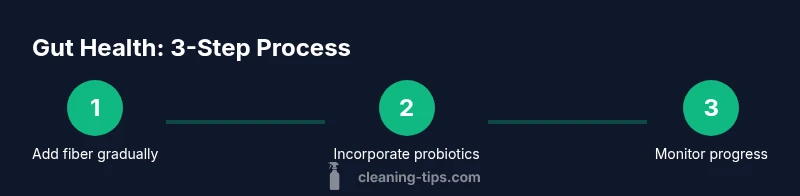
Introduce new fiber sources slowly to minimize gas and discomfort. Start with 5–10 g additional fiber per day, then increase every 2–3 days as tolerated. Pair fiber with water to improve transit and reduce bloating.
Tip: If you experience gas, slow down the pace by 1–2 days and reassess tolerance. - 3
Add probiotics and prebiotics
Incorporate probiotic foods a few times per week, and add prebiotic-rich foods to meals. Start with small portions to monitor how your body responds, especially if you have a history of IBS or dairy sensitivity.
Tip: Rotate probiotic sources to encourage microbiome diversity. - 4
Optimize hydration and meal timing
Aim for consistent fluid intake and regular meal times. Staying hydrated helps fiber work effectively and supports digestion, while timely meals can reduce late-night snacking that irritates the gut.
Tip: Keep a reusable bottle handy and set meal reminders if needed. - 5
Incorporate movement and stress management
Moderate daily activity supports gut motility, and stress reduction techniques can alleviate functional gut symptoms. A short daily walk and a brief breathing practice can make a noticeable difference.
Tip: Even 15 minutes of movement after meals can aid digestion. - 6
Track progress and adjust
Record what you eat, how you feel, and any changes in stool patterns. Use this data to tailor your plan and avoid repeating foods that trigger symptoms. Seek professional advice if symptoms persist.
Tip: Review your notes weekly to identify patterns and successes.
Questions & Answers
Can detox cleanses clean my gut?
Detox cleanses do not reliably ‘clean’ the gut and can disrupt the microbiome. Sustainable lifestyle changes are safer and more effective for long-term gut comfort.
Detox cleanses aren’t proven to clean the gut; lasting improvements come from steady fiber, hydration, and probiotic-rich foods.
What foods are best for gut health?
Fiber-rich foods, fermented products, and hydrating beverages support gut health. Mix soluble and insoluble fibers, and include a variety of fruit, vegetable, and whole-grain options.
Fiber-rich foods and fermented products are great for gut health, with a mix of fiber types supporting digestion.
How long does it take to notice gut health improvements?
Improvements commonly appear over weeks as you adjust fiber, hydration, and probiotic intake. Individual timelines vary based on tolerance and lifestyle.
Most people notice changes over a few weeks as they adjust their diet and habits.
Are probiotics safe for everyone?
Probiotics are generally safe for healthy individuals, but people with immune issues or severe illness should consult a clinician before using supplements.
Probiotics are usually safe, but check with a clinician if you have health concerns.
Should I increase fiber if I have gut pain?
If you have gut pain, increase fiber slowly and monitor symptoms. If pain persists, consult a healthcare professional.
Increase fiber gradually and watch for pain; seek care if symptoms persist.
Do dairy or gluten restriction help gut health?
Some individuals benefit from limiting dairy or gluten due to sensitivities. Assess your own tolerance and seek medical advice if you have ongoing symptoms.
Dairy or gluten may be limiting for some people; tailor to your tolerance and doctor’s guidance.
Watch Video
The Essentials
- Increase fiber gradually and hydrate adequately.
- Incorporate probiotics and prebiotics for microbiome support.
- Avoid dramatic cleanses; aim for steady, sustainable changes.
- The Cleaning Tips team recommends tracking foods and symptoms to tailor your plan.