What Can Clean My Stomach? Practical Steps for Digestive Health
Explore safe, research-based ways to support a healthy stomach through hydration, fiber, probiotics, and mindful eating. Practical tips from Cleaning Tips.


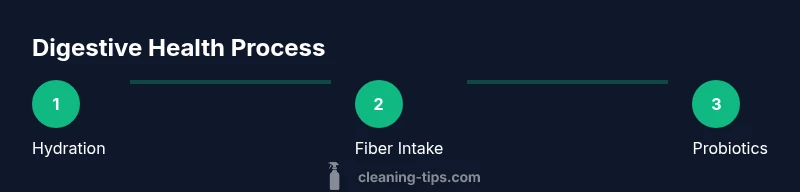
To support a healthier stomach, focus on hydration, fiber-rich foods, and gentle probiotics, while avoiding heavy, processed dishes. Start with a simple 7‑day plan: drink water consistently, add fiber gradually, include probiotic foods, and eat regular meals with mindful pacing. If symptoms persist, consult a clinician.
Understanding what people mean by a 'clean stomach' and what it implies
For many, the idea of a "clean stomach" means reducing bloating, easing digestion, and achieving regularity without discomfort. The phrase isn’t a medical diagnosis, and there isn’t a universal formula. According to Cleaning Tips, sustainable stomach health comes from consistent, everyday habits rather than dramatic cleanses. This section clarifies what a healthy gut looks like and how to separate safe, practical steps from hype. You’ll learn how digestion works, what signs of imbalance look like, and how small dietary shifts can support comfort and energy throughout the day.
tools_old_note_only_for_formatting_purposes_and_will_be_ignored_by_reader_0
Tools & Materials
- Water bottle (large, reusable)(Aim to sip regularly throughout the day; keep it within arm’s reach.)
- Fiber-rich foods (vegetables, fruits, whole grains)(Include a variety of sources; gradually increase portions to build tolerance.)
- Probiotic-containing foods (yogurt, kefir, sauerkraut, miso)(Choose live cultures with minimal added sugar.)
- Meal planning journal(Track meals, hydration, and symptoms to spot patterns.)
- Optional: simple probiotic supplement(If advised by a clinician, choose a reputable product; do not exceed label directions.)
Steps
Estimated time: 7 days
- 1
Assess baseline habits
Start by noting your typical daily meals, hydration, and any recurring symptoms like bloating or irregular bowel movements. This helps you identify patterns and tailor changes rather than guessing. A short 3-day log is enough to establish a starting point.
Tip: Set a fixed time each day to record meals and symptoms to build a reliable baseline. - 2
Set a hydration habit
Make water intake a non-negotiable part of your day. Spacing fluid intake consistently supports digestion and helps prevent constipation. Avoid excessive sugary beverages that can irritate the gut.
Tip: Keep a water bottle visible on your desk or kitchen counter as a constant reminder. - 3
Increase fiber gradually
Introduce fiber sources slowly to minimize gas and discomfort. Start with vegetables at lunch and incorporate a fruit or a serving of whole grains at dinner. Pair fiber with fluids to help it move through the digestive tract.
Tip: Add fiber in small increments (one extra serving per day) and monitor tolerance. - 4
Incorporate probiotic foods
Add probiotic-rich foods to daily meals to support a healthy gut microbiome. Include yogurt or kefir at breakfast, plus fermented veggies like sauerkraut or kimchi a few times per week.
Tip: Choose products with live cultures and minimal added sugars. - 5
Balance meals and pace eating
Aim for balanced meals that include protein, healthy fats, fiber, and complex carbs. Eat slowly, chewing thoroughly to aid digestion and reduce after-meal bloating.
Tip: Take at least 20 slow, mindful chews per bite to improve digestion. - 6
Limit highly processed foods and triggers
Reduce intake of highly processed foods, added sugars, and fried items that can irritate the gut. Note any foods that consistently worsen symptoms and adjust gradually.
Tip: Read labels to identify added sugars and refined oils. - 7
Incorporate gentle physical activity
Daily movement supports gut motility and overall digestion. Even 20–30 minutes of walking or gentle yoga can make a difference.
Tip: Choose activities you enjoy to maintain consistency. - 8
Monitor symptoms and adapt
Track how changes affect your comfort, energy, and bowel patterns. If symptoms worsen or persist, adjust fiber levels or consult a clinician for evaluation.
Tip: A symptom diary helps you detect patterns and avoid unnecessary tweaks. - 9
Maintain the routine for long-term health
Turn these steps into a sustainable daily routine rather than a short-term fix. Regular meals, hydration, fiber, and probiotic-rich foods build lasting gut health.
Tip: Review your plan weekly and celebrate small improvements.
Questions & Answers
What does it mean to 'clean my stomach' in practical terms?
Practically, it means supporting digestion, reducing bloating, and promoting regularity through diet, hydration, and gentle lifestyle changes rather than cleanse products. It’s about steady, sustainable habits.
It means supporting digestion with safe, everyday habits rather than drastic cleanses.
Are colon cleanses or laxatives safe for stomach cleaning?
Most colon cleanses and laxatives carry risks and should only be used under medical guidance. They are not necessary for healthy digestion and can disrupt your gut balance.
Colon cleanses aren’t generally recommended without a clinician’s advice.
How quickly will I notice improvements in digestion?
Results vary. Some people notice less bloating and more regular digestion within days to a few weeks of consistent hydration, fiber, and probiotic intake.
Some people feel better within days, others over a few weeks with consistent habits.
Should I avoid any foods to cleanse my stomach?
Instead of labeling foods as 'bad,' observe which items trigger symptoms and limit them. Common culprits include very processed foods, excessive sugar, and fried items for many people.
Watch out for processed foods and heavy fried items that can irritate digestion.
Can probiotics alone fix digestive issues?
Probiotics help, but they work best as part of a broader plan that includes fiber, hydration, and balanced meals. Individual responses vary.
Probiotics help, but they aren’t a magic fix on their own.
When should I seek medical advice for digestion problems?
If you experience persistent or severe symptoms such as non-resolving bloating, sharp abdominal pain, weight loss, or blood in stool, seek medical evaluation.
If symptoms continue or worsen, see a clinician promptly.
Watch Video
The Essentials
- Hydration and fiber are foundational for digestion
- Probiotics support a healthy gut microbiome
- Avoid unsafe cleanses and extreme diets
- Track changes to tailor your plan
- Consistency beats intensity for lasting results