Water Clean Up: A Practical Home Cleanup Guide
Learn how to perform water clean up safely and effectively after spills or flooding. This step-by-step guide covers assessment, containment, extraction, drying, mold prevention, and knowing when to call professionals for larger damage.


Goal: Complete water cleanup safely after spills or floods. This quick guide outlines essential safety checks, containment, water extraction, thorough drying, and mold prevention. It also lists the tools you’ll need and indicators that you should call professionals for extensive damage. Following these steps helps minimize damage, prevent secondary problems, and restore a healthy home environment.
What water cleanup means in a home context
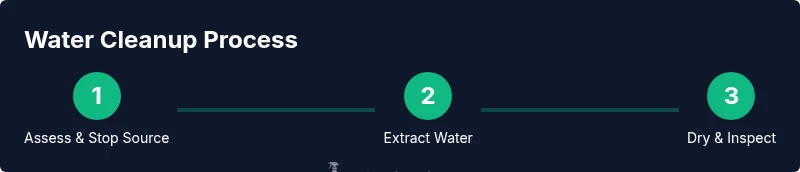
Water clean up refers to the process of removing standing water, moisture, and damp conditions after a spill, leak, or flood, followed by thorough drying and sanitation to prevent further damage and mold growth. According to Cleaning Tips, timely and methodical cleanup reduces structural stress and helps preserve personal belongings and indoor air quality. This section outlines why water cleanup is essential for homeowners and renters, and how the approach varies by source (clean water, gray water, or black water). In general, you’ll assess safety, contain the area, extract water, dry surfaces, and monitor moisture levels over time. The goal is to restore a healthy, safe living space while minimizing long-term repair costs.
For most households, water cleanup is not a one-step task. It combines practical cleaning with moisture management and damage prevention. Start with the basics: identify the source, ensure electrical safety, and prepare a clean, organized workspace. Having a plan helps you stay calm and systematic, even when time is critical. Cleaning Tips highlights that organized, deliberate steps reduce chaos and speed up drying, while also protecting occupants from exposure to mold and contaminants.
In every scenario, safety comes first. If you notice contaminated water (gray or black water) or sewage, treat the situation as hazardous and consider professional remediation. Use proper PPE, ventilate the area, and avoid contact with standing water whenever possible. This approach aligns with best practices recommended by health and safety organizations and supported by Cleaning Tips analyses conducted in 2026.
Immediate safety steps you should take
Safety is the foundation of any water cleanup. Begin by shutting off power to the affected area at the circuit breaker to prevent shock. If you cannot access the panel safely, evacuate and call a professional electrician. Wear appropriate PPE, including waterproof gloves, N95 or P100 respirator, and protective eyewear. Keep children and pets away from the damp area and avoid using cords or electrical devices in standing water. If you suspect mold growth, limit airflow to contaminated zones until you’re prepared to manage it with proper gear. Contain the spill area with plastic sheeting to prevent spreading moisture to other parts of the home. Finally, identify the water source and stop it if you can do so safely (e.g., shutting a faucet or valve). Following these steps helps minimize risk while you prepare for cleanup tasks.
Assessing the extent of water damage
Assessing damage involves understanding how far moisture has penetrated, what materials are affected, and how long the water has been present. Start by checking for visible standing water, damp walls, warped flooring, and musty odors. Use a moisture meter or humidity gauge to measure relative humidity levels in affected rooms; aim to reduce humidity to normal indoor levels (typically around 30-50%) as soon as possible. Document visible damage with photos for insurance and remediation records. Porous materials like drywall, insulation, and carpeting may require removal to prevent mold and rot. Different water sources (clean, gray, black) require varying approaches and safety considerations, so tailor your plan accordingly.
Extraction, drying, and dehumidification techniques
Effective water cleanup relies on removing standing water quickly and drying all affected areas. Start with safe, large-area extraction using a pump or shop vacuum rated for water; for smaller spills, use mops and towels to remove as much water as possible. After extraction, circulate air with fans and open windows if weather allows, and deploy a dehumidifier to pull moisture from the air. Keep doors and HVAC returns clear of obstructions to improve airflow. In damp spaces, target aftercare steps like drying behind baseboards and under cabinets with targeted fans. Monitor moisture levels daily until readings stabilize at or near baseline.
Mold prevention hinges on thorough drying—moisture can linger in hidden pockets. Replace or seal damp materials where necessary and clean surfaces with non-toxic cleaners. Avoid over-saturating wood, which can cause warping and structural issues. If the space remains humid after 24-48 hours, escalate drying efforts or consult a professional.
Tip: For carpeted areas, remove and replace heavily soaked carpet padding, which tends to harbor mold. In all cases, sanitize surfaces after drying with appropriate cleaners and allow time for surfaces to dry before reoccupying the space.
Preventing mold and secondary damage after water cleanup
Mold can begin to form within 24-48 hours in damp environments. To prevent it, maintain low humidity levels, ensure thorough drying of all surfaces, and clean porous materials as needed. Use disinfectants according to label directions and avoid mixing cleaners with ammonia or bleach unless instructions explicitly call for it. Regularly inspect previously affected areas for signs of dampness or musty odors and address any issues promptly. Establish a moisture-control plan to reduce future risk, such as improving ventilation in kitchens and bathrooms and addressing any ongoing leaks. If you’ve had significant water intrusion or observe visible mold growth, seek professional remediation.
When to call professionals for water cleanup
Some scenarios clearly demand professional help: large-scale flooding, sewage contamination, hidden moisture behind walls, or persistent musty odors after initial cleanup. If you are unsure about the extent of damage, it’s safer to consult a licensed water damage restoration contractor. Professionals bring specialized equipment, including high-grade dehumidifiers, moisture meters, and containment systems, to ensure thorough drying and mold prevention. They can also help with documentation for insurance claims and provide guidance on returning your home to a safe, healthy condition.
Tools & Materials
- Mop and bucket(Sturdy mop with absorbent head; use a bucket for wringing out debris)
- Shop vacuum with water extraction(Industrial-grade or wet/dry vacuum compatible with water)
- Squeegee(Flat blade for efficient surface water removal)
- Dehumidifier(Aim for low humidity, keep doors closed while operating)
- Air movers / fans(Create airflow across wet surfaces for faster drying)
- Moisture meter or hygrometer(Track moisture in walls, flooring, and drywall)
- Protective gear(Gloves, goggles, N95 mask; consider boot covers for mold-prone areas)
- Plastic sheeting / tarps(Contain moisture and protect adjacent areas)
- Disinfectant or antimicrobial cleaner(Select non-toxic options suitable for the area)
- Trash bags(For removing contaminated porous materials)
- Sealant or waterproofing (if needed)(Used for sealing leaks after repair)
Steps
Estimated time: 6-12 hours (initial cleanup; drying may continue up to 72 hours)
- 1
Shut off electrical power
Before touching water, switch off power to the affected area at the main breaker. Do not step into water if you cannot confirm safe grounding. If you cannot reach the panel safely, evacuate and call a professional electrician.
Tip: If you suspect any electricity in standing water, assume it’s live and keep everyone away. - 2
Stop the water source
If the leak is ongoing and you can reach the shut-off valve, turn off the water supply to prevent further accumulation. For broken pipes or supply lines, contact a plumber if you cannot control the source safely.
Tip: Document the shut-off location for future emergencies and communicate with other household members. - 3
Remove standing water
Begin water extraction with a shop vacuum or pump. Work in sections, moving from outer edges toward the center to prevent spreading moisture. Wring out towels and reuse them as needed, but replace heavily saturated materials promptly.
Tip: Never pull up carpet padding while it's saturated—remove it to prevent hidden mold growth. - 4
Ventilate and dry
Set up dehumidifiers and fans to create continuous airflow. Keep doors and windows open if outdoor humidity is lower than indoor humidity. Check drying progress every 4-6 hours and adjust placement of equipment for optimal coverage.
Tip: Aim to reduce relative humidity to around 30-50% in the affected space as soon as practical. - 5
Remove water-damaged materials
Discard or repair porous materials that retain moisture and cannot be dried thoroughly, such as soggy drywall or soaked insulation. Label removed items and photograph for insurance claims.
Tip: Seal off removed materials in bags to prevent mold spores from spreading. - 6
Sanitize and inspect
After drying, sanitize affected surfaces and check hidden areas (behind baseboards, under cabinets) for moisture. Use non-toxic cleaners and allow surfaces to dry completely before reoccupying.
Tip: Recheck moisture levels for several days to confirm long-term dryness. - 7
Assess for mold risk
If you detect persistent musty odor or visible mold, treat promptly. Small mold areas can be cleaned with appropriate products, but larger infestations should be handled by professionals.
Tip: Do not disturb moldy areas aggressively; improper handling can release spores.
Questions & Answers
What is water cleanup and why is it important?
Water cleanup is the process of removing moisture and damp conditions after a spill or flood, then drying and sanitizing the space to prevent mold and structural damage. It’s essential to protect health, preserve belongings, and avoid costly repairs.
Water cleanup means removing moisture after a spill or flood to prevent mold and damage, which keeps your home safe and intact.
How soon should I start water cleanup after a spill?
Start as soon as it’s safe. Shut off power, remove standing water, and begin extraction within hours to limit moisture intrusion and mold risk.
Start as soon as it’s safe: remove water, extract it, and begin drying within hours.
What equipment do I need for water cleanup?
Essential tools include a pump or shop vacuum, mops, towels, dehumidifier, fans, moisture meter, protective gear, and plastic sheeting to contain the area.
You’ll want a pump or wet/dry vac, dehumidifier, fans, moisture meter, PPE, and plastic to contain the space.
Can water damage lead to mold and how do I prevent it?
Yes, prolonged moisture can cause mold. Prevent mold by drying quickly, controlling humidity, sanitizing surfaces, and inspecting hidden pockets after drying.
Moisture can cause mold; dry thoroughly, control humidity, and inspect hidden areas after cleanup.
When should I call a professional for water cleanup?
Call a professional for large-scale flooding, contaminated water, or persistent moisture despite initial cleanup. They have specialized equipment and expertise to ensure safe, complete remediation.
Call a pro for big floods or persistent moisture that you can’t safely handle.
Is it safe to use bleach for mold cleanup?
Bleach can be used for non-porous surfaces in mold cleanup but isn’t effective for porous materials. Never mix cleaners and ensure good ventilation; for larger mold issues, seek professional guidance.
Bleach is sometimes used on non-porous surfaces but avoid mixing cleaners and seek pros for larger mold.
Watch Video
The Essentials
- Act quickly to minimize damage and mold risk.
- Stop the water source and remove standing water first.
- Dry thoroughly with dehumidifiers and airflow for best results.
- Document damage for insurance and future prevention.
- Call professionals for large-scale or contaminated cleanup.