What to Do to Cleanse Gut: A Practical Guide
Discover a gentle, evidence-informed approach to gut health with hydration, fiber, and gradual lifestyle changes. This guide from Cleaning Tips offers step-by-step actions, practical tips, and a two-week starter plan.


Gut cleansing should be gentle, lasting, and science-based. Start with daily hydration, fiber-rich foods, and probiotic options while cutting processed foods and added sugars. Introduce changes gradually over 2–6 weeks and monitor how your body responds for best results.
What a gut cleanse is and isn't
A gut cleanse is a set of gentle dietary and lifestyle adjustments designed to support digestion, comfort, and the gut microbiome. It is not a drastic detox or a crash diet, and it’s not a guarantee of rapid weight loss or perfect digestion. The aim is consistency: small, sustainable changes that reduce irritants, increase beneficial fibers, and nurture regular bowel movements. In practice, a gut cleanse emphasizes whole foods, mindful eating, and adequate hydration. According to Cleaning Tips, the best results come from patient, gradual changes, not extreme programs. Before you start, note how you currently feel after meals, how often you have a bowel movement, and which foods tend to trigger discomfort. This baseline helps you tailor your plan and monitor progress over the coming weeks.
Core principles of a gut-friendly plan
A successful gut-friendly plan hinges on a few core ideas: gradualism, personalization, consistency, and balance. Quick fixes tend to backfire, while steady, doable changes build lasting habits. Focus on whole, minimally processed foods, regular meals, and adequate hydration. Listen to your body’s signals—bloating, bowel movement changes, or discomfort are clues for adjusting portions or food choices. The Cleaning Tips team emphasizes that evidence-informed, sustainable practices outperform drastic cleanses any day.
Dietary steps to support gut health
Prioritize a diverse array of plant foods: fruits, vegetables, legumes, and whole grains provide the fiber that nourishes beneficial gut bacteria. Include fermented foods such as yogurt, kefir, sauerkraut, or miso gradually to introduce live cultures. Add prebiotic-rich options like onions, garlic, leeks, and bananas to feed friendly microbes. Limit ultra-processed foods, added sugars, and artificial sweeteners, which can unsettled digestion. Pair meals with a reliable protein source and healthy fats to support satiety and nutrient absorption.
Hydration and fiber: how to balance
Hydration and fiber work hand in hand to support bowel regularity and gut comfort. Sip water consistently throughout the day rather than drinking large amounts at once. When increasing fiber, do so gradually and pair high-fiber foods with water to reduce bloating and gas. A gentle approach means listening to how your gut responds—some days you may need more fluid or a lighter fiber load. If you experience persistent discomfort, slow the pace or revert to a simpler plan for a few days before resuming gradual increases.
Foods to emphasize and foods to avoid
Emphasize foods that support digestion: oats, whole grains, berries, leafy greens, legumes (soaked and well-cooked), yogurt or kefir with live cultures, and fermented vegetables. Include roots and tubers like sweet potatoes and carrots for variety. Avoid over-reliance on caffeine, highly processed snacks, refined grains, and foods that you notice irritate your digestion. Spices like ginger and turmeric may help some people feel better after meals.
Tip: Start with one new gut-friendly food at a time to monitor tolerance. If dairy or gluten bothers you, explore alternatives, but don’t remove nutrient-dense options without a plan.
Lifestyle factors that affect gut health
Gut health is influenced by more than just diet. Aim for regular sleep, consistent meal timing, and stress-management practices such as deep breathing, short walks, or brief mindfulness sessions. Physical activity supports gut motility and overall well-being, so include a moderate routine most days. If you’ve recently taken antibiotics or have persistent digestive symptoms, discuss a tailored plan with a healthcare professional to ensure your approach is appropriate for your situation.
How to personalize and monitor progress
Begin with a two-week baseline where you track foods, symptoms, energy, and bowel patterns. Use a simple daily log to note meals, mood, and any bloating or discomfort. Review the log after two weeks and identify patterns—note which fiber sources or fermented foods correlate with improvements. Adjust gradually: increase fiber sources that caused no issues, add probiotic foods, and reduce potential irritants. If symptoms persist beyond a few weeks, seek professional guidance to refine the plan.
Common misconceptions about gut cleanses
There is no one-size-fits-all cleanse, and drastic detoxes can disrupt gut balance. Cleanse marketing often promises rapid results that aren’t sustainable. A real gut health plan focuses on consistent dietary choices, not extreme restrictions. Avoid laxatives marketed as cleanses, which can cause dehydration and electrolyte imbalance. Focus on nourishment, not shortcuts, for long-term health.
Quick-start 2-week plan
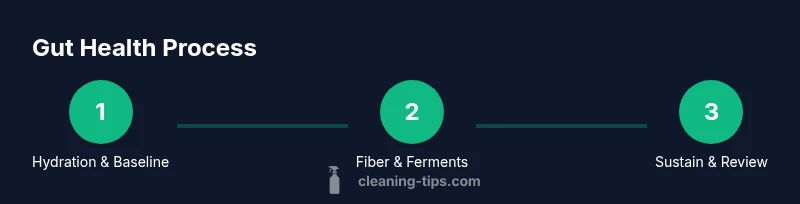
Week 1 focuses on hydration, regular meals, and a gentle fiber introduction. Replace one snack with a fruit or vegetable option and add a cup of water between meals. Week 2 adds fermented foods and a broader fiber variety, while continuing to limit processed items. End of week 2, review your notes, celebrate small wins, and plan the next gentle steps.
Tools & Materials
- Hydration tools (water bottle)(Carry a reusable bottle and aim for steady intake throughout the day)
- Fiber-rich foods list (fruits/vegetables/whole grains/legumes)(Incorporate a variety of sources; avoid heavy reliance on one type)
- Probiotic foods or supplement(Choose products with live cultures; check for added sugars)
- Gut health journal(Log meals, symptoms, and bowel patterns for at least two weeks)
- Comfortable footwear or movement aids(Encourage daily light activity like walking for 20-30 minutes)
Steps
Estimated time: 4-6 weeks
- 1
Set a gentle baseline
Document how you currently feel after meals, bowel patterns, and any triggers. This baseline helps tailor changes and measure progress over the coming weeks. Focus on accuracy, not perfection, to inform your plan.
Tip: Keep notes consistent and review weekly to spot true patterns. - 2
Increase hydration gradually
Establish a steady hydration habit by sipping water at regular intervals. Adequate fluids support digestion and help fiber work effectively in the gut.
Tip: Use a marked water bottle to track daily intake and avoid rushing large amounts at once. - 3
Add fiber slowly
Introduce diverse, fiber-rich foods in small portions to minimize bloating. Pair fiber with fluids to aid digestion and comfort.
Tip: If bloating occurs, pause new fiber sources for a day and reintroduce later. - 4
Include fermented foods gradually
Incorporate yogurt, kefir, sauerkraut, or miso in small amounts. Live cultures can support a balanced gut microbiome over time.
Tip: Start with one daily serving and observe tolerance before expanding. - 5
Limit irritants and ultra-processed foods
Reduce added sugars, highly processed snacks, and heavy fats that can irritate the gut. Replace with whole, minimally processed options when possible.
Tip: Swap one processed snack for a piece of fruit or veggie sticks. - 6
Move regularly to support motility
Incorporate daily light-to-moderate activity; movement promotes gut motility and overall well-being. Aim for consistency rather than intensity.
Tip: A 20-30 minute walk after meals can be particularly beneficial. - 7
Track and adjust based on feedback
Review your gut health journal weekly. Identify foods associated with improvement and refine your plan accordingly.
Tip: Be patient; meaningful changes may take several weeks to appear. - 8
Create a sustainable long-term plan
Translate your two-week plan into a long-term lifestyle that you can maintain. Flexibility is essential for ongoing gut health.
Tip: Set realistic milestones and celebrate small progress along the way.
Questions & Answers
What exactly is a gut cleanse and is it safe?
A gut cleanse focuses on gentle dietary and lifestyle adjustments to support digestion and the gut microbiome. It avoids drastic detoxes and emphasizes sustainability. If you have chronic symptoms or medical conditions, consult a healthcare professional before starting.
A gut cleanse means gentle changes to diet and habits to support digestion, not a harsh detox. If you have ongoing symptoms, check with a doctor first.
Which foods are best for gut health?
Fiber-rich plants like fruits, vegetables, legumes, and whole grains support gut health. Fermented foods with live cultures and sources of healthy fats and proteins can also help. Individual tolerance varies, so start slowly.
Fiber-rich plants and fermented foods are a good starting point, but listen to your body and adjust.
How long does a gut cleanse take?
A gentle gut health plan is typically maintained over several weeks, with a two-week starter phase used to assess tolerance and initial improvements. Ongoing maintenance should be individualized.
Most people begin with a two-week trial to see how they respond, then adapt over time.
Are there risks or side effects to watch for?
Common side effects include temporary bloating or gas as gut bacteria adjust. If symptoms persist or worsen, slow the pace or pause certain foods and consult a clinician.
You might see temporary bloating; if it lasts or worsens, slow down and get medical advice.
Will a gut cleanse help with weight loss?
Gut health strategies focus on comfort and function rather than rapid weight loss. Any weight changes are likely to be gradual and tied to overall dietary patterns.
Jerking changes won’t fix weight; a steady, healthy diet supports body weight over time.
When should I see a healthcare professional?
If you have persistent digestive symptoms, unintended weight loss, blood in stools, or severe pain, seek medical advice promptly.
See a professional if symptoms persist, worsen, or involve blood or significant pain.
Watch Video
The Essentials
- Start with gentle, gradual changes.
- Hydration and fiber support gut function.
- Personalize and monitor your progress.
- Avoid extreme cleanses or shortcuts.
- Seek professional guidance if symptoms persist.