What Can You Use to Clean Instead of Bleach: Safe Alternatives for Home
Discover safe, effective non-bleach cleaners for every room. Learn when to use vinegar, baking soda, hydrogen peroxide, and DIY recipes for disinfecting and bright cleaning.


You can clean and disinfect effectively without bleach by using safe alternatives such as hydrogen peroxide, white vinegar, baking soda, castile soap, and lemon juice. This guide explains which products to use on common surfaces, how to mix them safely, and practical, step-by-step routines for kitchens, bathrooms, fabrics, and floors.
Why you might seek bleach alternatives
For many households, bleach is not the only way to keep surfaces clean and disinfected. People look for alternatives to reduce skin irritation, minimize harsh chemical exposure, and protect sensitive surfaces like natural stone, wood, and dyed fabrics. If you are wondering what can you use to clean instead of bleach, you’re not alone. This section explains motivations for switching and how non-chlorine options can fit different cleaning tasks, from routine wipe-downs to surface disinfection. You’ll learn how to balance effectiveness with safety while preserving finishes and indoor air quality. Cleaning Tips recommends exploring non-chlorine strategies for daily cleaning, especially in homes with children, pets, or allergy-prone occupants. By choosing appropriate substitutes, you can maintain hygiene without relying on chlorine-based products.
Safe cleaning also means considering environmental impact and surface compatibility. Many readers seek practical, beginner-friendly methods that work well on common household surfaces such as counters, toilets, and floors. In this guide, you’ll find guidance on when to use each option and how to tailor methods to your home’s unique needs, ensuring you get reliable results without bleach.
Common non-bleach cleaners and how they work
Non-bleach cleaners cover a broad range of formulas and natural ingredients designed to tackle grime, odors, and microbial concerns. This section introduces the main categories and explains their action on different surfaces. You’ll find practical comparisons, usage tips, and surface-specific cautions. By understanding how each ingredient behaves, you can craft routines that are effective, affordable, and safer for families. The goal is to empower you to replace chlorine with proven alternatives that deliver consistent results without compromising safety or air quality. The discussion also addresses common myths about non-bleach options, helping you avoid under- or over-application that can reduce effectiveness.
Vinegar: when and where it shines (and limits)
White vinegar is a versatile cleaner for everyday tasks. Its acidity helps dissolve mineral deposits, cut through grease, and deodorize surfaces like glass, ceramic, and chrome. For routine cleaning, a dilute solution (typically 1 part vinegar to 1 part water) can replace harsher degreasers. However, vinegar is not a broad-spectrum disinfectant for all pathogens, and it should not be used on natural stone, marble, or concrete without testing. Some surfaces may react with acid for etching or dulling. If you’re asking what can you use to clean instead of bleach, vinegar is a strong option for non-porous surfaces and deodorizing areas where sanitizer isn’t required. Always test on a hidden area first and ventilate the room during use.
Baking soda and abrasive cleaners
Baking soda acts as a gentle abrasive and deodorizer that helps lift grime from sinks, countertops, and tubs without scratching many surfaces. Combined with water, it forms a mild paste ideal for scouring. While baking soda cleans effectively, it is not a standalone disinfectant against germs in most cases. It shines for deodorizing, stain removal, and odor neutralization. For best results, use baking soda with a non-abrasive cloth or sponge, and rinse thoroughly after scrubbing to prevent residue. If you’re considering what can you use to clean instead of bleach, baking soda is a reliable option for routine scrubbing and odor control on many surfaces.
Hydrogen peroxide and oxygen bleach
Hydrogen peroxide at 3% is a useful disinfectant for many household surfaces, including countertops, light-colored fabrics, and bathroom fixtures. Pour or spray a small amount, let it sit for 5–10 minutes, then wipe clean. It’s important to use it fresh (store in a dark bottle away from heat) and to avoid mixing with vinegar or ammonia, which can create harmful gases. Oxygen bleaches (sodium percarbonate) are milder alternatives suitable for whitening and stain removal in laundry, but always follow the product label for proper dilution and compatibility with fabrics.
Soap, castile soap, and natural degreasers
Castile soap is a versatile base cleaner for surfaces, floors, and hands. When combined with water and a bit of essential oil (optional), it can replace many everyday cleaners. It’s particularly effective on greasy residues and general dirt. Avoid using soap alone on porous surfaces that may trap moisture or promote mold growth; always rinse and dry thoroughly. For “what can you use to clean instead of bleach” on non-porous surfaces, soap-based cleaners offer gentle yet effective cleaning, especially in kitchens and bathrooms. Test a small area first to confirm compatibility with the surface.
Lemon juice, essential oils, and sanitizing uses
Lemon juice brings fresh scent and acidity that helps with mineral buildup and some stains. When used sparingly, it can supplement other cleaners for brightening and deodorizing. Essential oils like tea tree or lavender may offer antimicrobial properties and fragrance, but they should not replace standard disinfection protocols on high-risk surfaces. Use essential oils carefully, as they can cause skin sensitivity and may interact with certain materials. For routine cleaning, lemon juice and safe essential oils can be combined with other cleaners to enhance performance while keeping surfaces pleasant-smelling.
Surfaces and best practices: kitchen, bathroom, fabrics, floors
Different surfaces require tailored approaches. Kitchen counters and appliances often benefit from vinegar or castile soap, while bathrooms may prefer hydrogen peroxide for quick disinfection on tile grout and fixtures. Fabrics may tolerate hydrogen peroxide for whitening delicate whites, but always test fabrics for colorfastness. Floors can be cleaned with soap and water or a baking-soda paste for gentle scrubbing. Always avoid mixing cleaners, never pour ingredients into closed containers, and ensure adequate ventilation. These surface-specific recommendations help you build a practical routine that avoids bleach while preserving the integrity of your home’s materials.
Safety, storage, and handling: avoid mixing and exposure
Safety is essential when replacing bleach with alternatives. Always wear gloves when handling cleaning solutions, ensure good ventilation, and store concentrated cleaners in clearly labeled containers away from children and pets. Never mix cleaners (for example, bleach with ammonia or vinegar) as this can release dangerous gases. Keep bottles upright, away from heat, and dispose of any expired or discolored solutions. By following these best practices, you reduce risk and improve the effectiveness of your non-bleach cleaning routine.
Authoritative sources and further reading
For authoritative guidance on disinfection and safe cleaners, consult trusted sources such as the EPA and CDC. These organizations provide evidence-based recommendations and product lists to help you choose safer options and use them correctly. You can also reference university extension programs for surface-specific cleaning tips and household safety. Staying informed helps you maintain a clean, healthy home without relying on chlorine-based products.
Authority sources
- EPA: List of approved disinfectants and usage guidance at https://www.epa.gov/covid-19-list-disinfectants.
- CDC: Household Cleaning and Disinfection guidance at https://www.cdc.gov/coronavirus/2019-ncov/prevent-getting-sick/cleaning-disinfection.html.
- University extension resources for surface-safe cleaning at https://extension.arizona.edu
Tools & Materials
- Spray bottles (16 oz multiple)(Label each bottle with contents and date)
- Microfiber cloths(Color-coded for different surfaces)
- Baking soda(Uniodized, store in a dry container)
- White distilled vinegar (5-6%)(Do not mix with bleach; use in vented area)
- Hydrogen peroxide (3%)(Store away from sunlight; use promptly after opening)
- Liquid castile soap(Unscented preferred for mixing; natural base cleaner)
- Lemon juice(Fresh or bottled; optional brightener)
- Gloves (nitrile or latex)(Keep hands protected; wash after use)
- Ventilation(Open windows or use a fan when cleaning with acidic cleaners)
Steps
Estimated time: 30-60 minutes
- 1
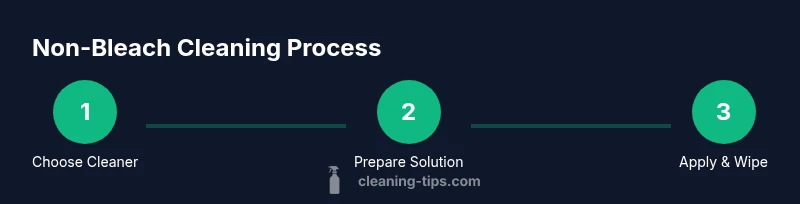
Set up your non-bleach station
Gather all ingredients and fill labeled spray bottles. Prepare a dedicated cloth for each surface type and place them within easy reach. This reduces cross-contamination and keeps your workflow efficient.
Tip: Label bottles with date and surface; use color-coded cloths to avoid mixing cleaners. - 2
Prepare non-bleach cleaners in suitable containers
Dilute vinegar with water for general cleaning and mix baking soda paste for scrubbing tasks. Keep hydrogen peroxide separate for disinfection on appropriate surfaces. Always test a small area first.
Tip: Read product labels for dilution ratios and surface compatibility before mixing. - 3
Test on a hidden area first
Before applying to visible areas, test cleaners on a discreet spot to check colorfastness and finish compatibility. This step prevents unexpected damage to fabrics, wood, and stone.
Tip: If any discoloration occurs, discontinue use on that surface. - 4
Apply cleaners to surfaces in a consistent direction
Spray or scrub surfaces using long, even strokes. Avoid oversaturation, especially on porous materials. For high-traffic areas, let the solution sit briefly to maximize effectiveness.
Tip: Use a microfiber cloth to lift grime rather than rubbing too aggressively. - 5
Rinse or wipe off after use
Rinse finished areas with plain water when necessary and dry with a clean cloth. Residue from cleaners can attract more dirt if left behind.
Tip: For sticky residues, repeat with a fresh cloth and move in one direction. - 6
Disinfect selective high-touch areas
Use hydrogen peroxide on high-touch zones like doorknobs, light switches, and faucet handles. Let it sit for 5–10 minutes before wiping away for best results.
Tip: Do not mix with vinegar in the same surface; use separate steps. - 7
Store cleaners safely
Keep concentrated solutions in clearly labeled containers. Store away from heat, sunlight, and children. Rotate stock and dispose of expired products properly.
Tip: Keep a small log of what you used and when to maintain safety. - 8
Review and tweak your routine
After cleaning, assess results and surface condition. Adjust dilutions or switch cleaners if surfaces show wear or odors persist.
Tip: Regular checks help you refine the routine for best long-term results.
Questions & Answers
Is vinegar a disinfectant for household surfaces?
Vinegar can clean and remove mineral buildup, but it is not a broad-spectrum disinfectant for all pathogens. It works well for deodorizing and light cleaning on non-porous surfaces. For infection control in high-risk areas, use approved disinfectants as recommended by authorities and consider hydrogen peroxide where appropriate.
Vinegar cleans well for many tasks, but it isn’t a universal disinfectant. For disinfection in high-risk areas, use approved products and consider hydrogen peroxide where suitable.
Can baking soda disinfect surfaces?
Baking soda is a great abrasive cleaner and deodorizer, but it is not a strong disinfectant against germs by itself. Use it for scrubbing and odor control, then rely on other sanitizing steps for disinfection where needed.
Baking soda cleans well and deodorizes, but it’s not a stand-alone disinfectant. Use it for scrubbing, then apply proper sanitizers where required.
Does hydrogen peroxide disinfect like bleach?
Hydrogen peroxide at 3% can disinfect many household surfaces and is a good alternative for certain areas. It’s most effective when used fresh and allowed to stay on the surface for 5–10 minutes. Do not mix with vinegar or ammonia.
3% hydrogen peroxide can disinfect many surfaces and is effective when left on for several minutes; don’t mix it with vinegar or ammonia.
Are essential oils safe to use as disinfectants?
Essential oils have antimicrobial properties but should not be relied on as primary disinfectants. They may offer fragrance and mild cleaning benefits but should be used with caution for sensitivities and do not replace approved disinfectants on high-risk surfaces.
Essential oils can complement cleaning but aren’t reliable primary disinfectants. Use them with care and don’t replace approved disinfectants where required.
Can I clean fabrics with these alternatives?
Yes, you can use diluted peroxide for whiten fabrics and some non-bleach cleaners for stain removal, but always check fabric care labels and test first. Some fabrics may be color sensitive or damaged by acids.
You can treat fabrics with safe cleaners, but check care labels and test on a hidden area first.
What should I do about mold and mildew without bleach?
For mold-prone areas, hydrogen peroxide and vinegar can help with surface cleaning, but persistent mold may require professional remediation. Ensure ventilation and dry areas promptly to prevent regrowth.
Hydrogen peroxide and vinegar help with surface cleaning, but persistent mold may need professionals; keep areas dry and ventilated.
Watch Video
The Essentials
- Identify safe substitutes for common cleaning tasks.
- Use vinegar for mild cleaning on non-porous surfaces.
- Hydrogen peroxide provides targeted disinfection on high-touch areas.
- Baking soda offers deodorizing and gentle scrubbing power.
- Always test surfaces first and avoid mixing cleaners.
- Keep cleaners stored safely and follow label directions.