Can You Use to Clean? A Practical DIY Cleaning Guide
Learn safe, effective ways to clean with everyday items. This Cleaning Tips guide explains can you use to clean, surface compatibility, a simple step-by-step method, safety tips, and common pitfalls to avoid.


Goal: learn practical, safe ways to clean using everyday household items. You’ll identify surfaces that tolerate DIY cleaners, test safety, and follow a simple 6-step method to mix, apply, and rinse effectively. Start with mild soap, then bicarbonate or vinegar for stains, and reserve harsher chemicals for guidance. Always test a small area and avoid mixing bleach with ammonia.
can you use to clean: framing the question and scope
According to Cleaning Tips, the phrase can you use to clean is less about a single product and more about a practical toolkit of approaches. The goal is to balance effectiveness with surface safety, cost, and environmental impact. In home cleaning, you’ll weigh factors like material sensitivity, odor, drying time, and potential residue. By understanding which items can be used to clean and how to apply them, you’ll avoid damage while keeping spaces fresh. This section outlines how to evaluate cleaners, identify surface compatibility, and set up a simple, reliable routine that anyone can follow. Expect to encounter a mix of familiar items and a few clever DIY options that reduce chemical exposure without sacrificing results.
Safety first: patch testing and ventilation
A core principle when exploring can you use to clean is to test before widespread use. Start by applying a small amount of cleaner to a hidden area, then wait 24 hours to observe any discoloration, texture change, or odor intensification. Ventilation matters: open windows or run a fan to avoid inhaling fumes, especially when using stronger agents like concentrated vinegar or baking soda pastes. Keep kids and pets away during testing, and wear gloves if you have sensitive skin. Document results so you can repeat the process confidently on similar surfaces. This proactive approach minimizes surprises and helps you decide which items belong in your cleaning toolkit.
Common cleaners and their best uses
Mild dish soap is a versatile starter for everyday grime. A dilute soap solution works well on counters, appliances, and taps. Baking soda acts as a gentle abrasive for stuck-on residue, while white vinegar assists with mineral deposits and deodorization. Lemon juice adds a fresh scent and mild acidity that can help lift some stains. Note that vinegar is not suitable for natural stone or porous surfaces, and avoid mixing bleach with ammonia. When used correctly, these items can cover most household cleaning tasks without specialized products. This section also explains when to turn to store-bought cleaners for tough jobs.
Surfaces and cleaners: what to avoid
Not all surfaces tolerate DIY cleaners. Marble, limestone, and certain natural stones can etch with acidic solutions like vinegar or lemon. Unsealed wood may swell with excess moisture, and certain metals can tarnish with acidic or abrasive pastes. Electronics and dashboards require minimal moisture and should be treated with surface-safe wipes. Always read the manufacturer’s care guidelines before applying any cleaner. If in doubt, test first and revert to plain water or a mild soap solution. This disciplined approach protects finishes and prolongs the life of fixtures.
Step-by-step DIY cleaner routine: a practical 6-step method
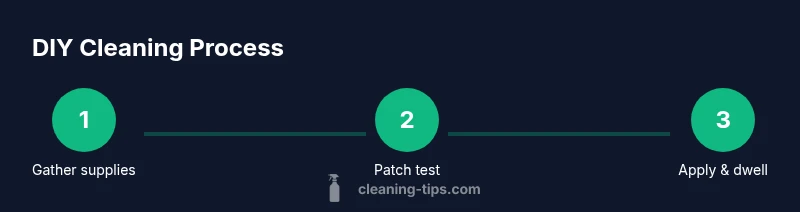
- Prep the workspace: clear the area, protect nearby surfaces with a cloth, and gather supplies. 2) Patch test the cleaner on a hidden spot to check for adverse reactions. 3) Mix or prepare the cleaner in a spray bottle or bucket, label clearly. 4) Apply the cleaner to the surface with a cloth or sponge, avoiding excessive moisture. 5) Allow a brief dwell time if needed (5–10 minutes for stains). 6) Wipe away with a damp cloth, rinse if necessary, and dry with a microfiber cloth. This routine minimizes risk and yields consistent results across tasks.
Pro tips for stubborn stains and odors
For stubborn marks, create a paste with baking soda and water, apply to the stain, and gently scrub with a soft brush. For odors, a short vinegar rinse followed by a rinse with clean water can help neutralize smells. Always buff surfaces dry after cleaning to prevent streaks. If an odor lingers, consider repeating with a cleaner known to be safe on the specific material and consult the surface care guidelines. These tactics help you extend DIY cleaning to challenging spots without expensive products.
Safety, storage, and disposal considerations
Store cleaners in clearly labeled containers, away from heat and curious children. Never mix cleaners in the same container; resist the urge to create new combinations on a whim. Dispose of leftover mixtures according to local guidelines or household hazardous waste programs. Keep spray bottles upright and out of reach, and wash your hands after cleaning. Taking these steps ensures a safer home environment while you leverage everyday items to maintain cleanliness.
Authority sources and best-practice references
For readers who want to verify claims and expand their knowledge, consult authoritative resources such as the EPA's Safer Choice program, OSHA safety guidelines, and NIH/NIEHS materials on chemical safety. These sources offer official recommendations on safe cleaning practices, chemical interactions, and proper labeling. By aligning your routine with recognized standards, you can clean confidently while protecting health and the environment. See the sources listed in the article for direct access.
Common mistakes to avoid and how to fix them
Avoid using highly reactive cleaners on delicate surfaces, neglecting patch tests, and skipping ventilation. Mixing cleaners is a frequent source of danger; never combine ammonia with bleach. If you notice discoloration, a strong scent, or surface damage, stop immediately and revert to water or a milder cleaner. When in doubt, simplify: re-wipe with plain water, dry the surface, and assess the result after a short wait. Simple, careful steps prevent problems and preserve surfaces.
Authority sources (quick reference)
- https://www.epa.gov/saferchoice
- https://www.osha.gov/
- https://www.cdc.gov/niosh/
These links provide official guidance on safer cleaning practices, hazard communication, and chemical safety. They underpin the methods outlined in this guide and offer additional context for readers who want to explore further.
Final notes and quick recap
The can you use to clean question invites a flexible, evidence-based approach. By focusing on surface compatibility, patch testing, and a straightforward step-by-step routine, you can achieve reliable results with everyday items. Remember to prioritize safety, read surface care guidelines, and consult authoritative sources when tackling unfamiliar tasks. The Cleaning Tips team emphasizes practical, repeatable methods that minimize risk while delivering clean, healthy spaces.
Tools & Materials
- mild dish soap(Earth-friendly formula if possible)
- white distilled vinegar(Dilute for most tasks)
- baking soda(Powder form for pastes)
- lemon juice(Optional for scent and mild acidity)
- microfiber cloths(Lint-free for streak-free results)
- sponge or soft brush(Non-abrasive for delicate surfaces)
- bucket or spray bottle(Label solutions clearly)
- gloves(Skin protection if you have sensitivities)
- toothbrush or small brush(For tight corners and grout)
Steps
Estimated time: 60-90 minutes
- 1
Prep the workspace
Clear the area, protect adjacent surfaces with a cloth, and organize all supplies before you begin.
Tip: Having everything within reach reduces rush and mistakes. - 2
Patch test a hidden spot
Apply a small amount of cleaner to a concealed area and wait 24 hours to check for damage or discoloration.
Tip: If there is any adverse reaction, stop and switch to a milder method. - 3
Prepare your cleaner
Mix or measure the cleaner in a labeled container; avoid strong odorous concentrates near living areas.
Tip: Label bottles clearly to prevent cross-use. - 4
Apply to the surface
Dampen a cloth and apply the cleaner evenly, avoiding excessive moisture that can seep into seams.
Tip: Rule of thumb: a light, even layer is better than heavy pools. - 5
Let it dwell if needed
Some stains benefit from a short dwell time (5–10 minutes) before wiping.
Tip: Do not let cleaners dry completely; re-wet if necessary. - 6
Wipe and rinse
Wipe away the cleaner with a damp cloth; for sticky residues, rinse with clear water and wipe again.
Tip: Follow with a dry microfiber to prevent streaks. - 7
Dry and inspect
Dry the surface and inspect for remaining spots; repeat with a milder cleaner if needed.
Tip: If the stain persists, consider a surface-specific solution. - 8
Store and label leftovers
Seal containers, store away from children, and note the date of cleaning for future reference.
Tip: Dispose of unused mixtures according to local guidelines.
Questions & Answers
Can all surfaces be cleaned with baking soda and vinegar?
No. Some surfaces such as natural stone, polished wood, or electronics require gentler methods. Always patch test and consult surface care guidelines before applying these cleaners widely.
No. Some surfaces require gentler methods—patch test first and follow surface care guidelines.
Is it safe to mix vinegar with bleach?
No. Mixing vinegar with bleach releases chlorine gas, which is hazardous to breathe. Use each cleaner separately and rinse well between steps.
No. Vinegar and bleach together release chlorine gas; use them separately and rinse between steps.
What should I do if a cleaner causes irritation?
Stop using the product immediately, rinse the area with water, and consider a milder approach. If irritation persists, seek medical advice and reassess your cleaning method.
If irritation occurs, stop and rinse. If it continues, contact a professional for advice.
How long should I let cleaners dwell on stains?
Dwell time varies by cleaner and surface. Generally 5–10 minutes is enough for mild stains; for tougher spots, a second application may be needed after testing.
Most cleaners work best after a 5–10 minute dwell; test and reapply if needed.
Can I clean electronics with DIY cleaners?
Yes, but with care. Use a barely damp cloth and avoid liquids that can seep into crevices. When in doubt, use manufacturer-approved wipes.
You can, but use a barely damp cloth and avoid liquids near openings.
Where can I find official guidance on safe cleaning?
Refer to authoritative sources such as EPA Safer Choice and OSHA safety guidelines for validated recommendations and safe handling practices.
Check EPA Safer Choice and OSHA guidelines for official cleaning safety.
Watch Video
The Essentials
- Know which surfaces tolerate DIY cleaners
- Test first, then proceed with a simple routine
- Use basic ingredients safely (soap, baking soda, vinegar)
- Avoid mixing cleaners and always ventilate
- Store cleaners properly and label leftovers