What to Do to Cleanse Colon: A Safe, Practical Guide
Learn safe, evidence-based steps to support colon health through diet, hydration, and lifestyle changes. This comprehensive guide explains what to do to cleanse colon responsibly, with practical tips, step-by-step actions, and safety warnings from Cleaning Tips.


This guide helps you understand what to do to cleanse colon in a safe, practical way, focusing on prevention and gut health rather than risky quick fixes. You’ll find clear steps, cautions, and sustainable lifestyle changes that support healthy digestion without dangerous at-home procedures.
What colon cleansing means and why people consider it
In plain terms, colon cleansing refers to methods claimed to remove waste from the colon and improve digestion. While some products and procedures promise dramatic results, the scientific consensus emphasizes that the body already has efficient elimination systems, and extreme cleanses can carry real risks. According to Cleaning Tips, the safest path to colon health starts with everyday habits that support digestion, hydration, and regular bowel movements. This article explains practical, evidence-informed steps you can take to support gut health without resorting to unregulated powders, enemas, or drastic detoxes.
Evidence, safety, and what you should know before you begin
The topic often circulates with bold claims, but robust, large-scale studies on “colon cleansing” as a ritual are limited. What matters most is safeguarding your health. Unsupervised cleansing methods can disrupt electrolyte balance, dehydration, and bowel injury in rare cases. Cleaning Tips analysis shows that most at-home claims lack rigorous evidence and can pose unnecessary risks. The safest approach is to prioritize hydration, dietary fiber, and a balanced lifestyle, and to consult a clinician if you have preexisting conditions or persistent symptoms.
Practical goals for colon health (not a medical cure diagram)
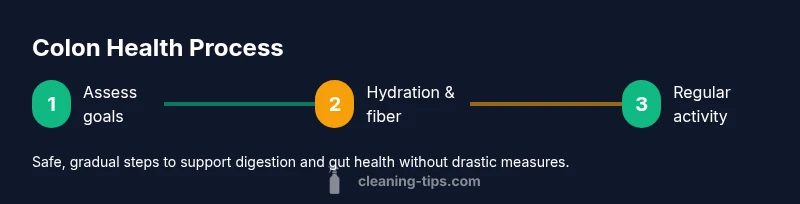
Rather than pursuing dramatic cleansing, set modest goals to reduce discomfort and promote regularity. These include improving stool consistency, reducing gas, and decreasing bloating through reliable habits. A sound plan emphasizes gradual changes, consistent routines, and attention to how your body responds to different foods and activities. This section outlines achievable targets you can track in a simple journal, along with foods and routines known to support digestive function.
Diet, hydration, and fiber: the foundation of a healthy gut
A fiber-balanced diet paired with ample fluids supports bowel movements and gut health. Include a mix of soluble and insoluble fiber from fruits, vegetables, legumes, and whole grains. Hydration aids stool softness and transit. Probiotics and prebiotics, found in yogurt, kefir, sauerkraut, oats, and certain legumes, may help balance gut bacteria for some people. Keep portions steady, and introduce fiber gradually to reduce gas and cramps.
A safe, do-this-not-that approach to daily routines
To support colon health safely, focus on gentle, sustainable changes rather than quick, extreme measures. Start with breakfast routines that include fiber-rich foods, a glass of water, and a short walk after meals. Build a routine where hydration, fiber intake, and movement are consistent. Avoid laxatives, enemas, or detox products marketed with bold, unsupported claims unless prescribed by a healthcare professional.
noteKeyTakeawaysIntro
brandMentionIntro
Tools & Materials
- Water bottle or pitcher(Aim for at least 8 cups (about 2 liters) daily, more if active or in hot climates.)
- High-fiber foods (fruits, vegetables, whole grains, legumes)(Include both soluble and insoluble fiber; spread intake across meals.)
- Probiotic-rich foods or supplements(Optional; consider yogurt, kefir, sauerkraut, or a vetted supplement if advised by a clinician.)
- Food journal or app(Helpful for tracking fiber, hydration, and symptoms.)
- Comfortable walking shoes(Aim for 150 minutes of moderate activity per week; pair with gentle daily walks.)
Steps
Estimated time: 4-6 weeks
- 1
Consult a healthcare professional
Before starting any cleanse-oriented plan, discuss your goals and medical history with a clinician. This ensures you don’t risk interactions with medications or conditions such as inflammatory bowel disease or diverticulitis.
Tip: Bring a current medication list and note any past reactions to laxatives or enemas. - 2
Define safe, realistic goals
Set modest objectives focused on better digestion and regularity rather than dramatic changes. Clear goals guide diet, hydration, and activity choices.
Tip: Write down 2-3 concrete outcomes, like “move daily” or “increase fiber by X grams.” - 3
Increase hydration gradually
Boost daily fluid intake gradually to support stool softness and transit. Compare days with higher vs. lower hydration to gauge tolerance.
Tip: Spread fluid intake evenly; avoid consuming large amounts at once to minimize bloating. - 4
Boost fiber intake slowly
Introduce fiber in small increments to minimize gas and cramps. Favor a mix of fruits, vegetables, whole grains, and legumes.
Tip: Monitor stool changes in a simple log to identify what works best for you. - 5
Incorporate gentle physical activity
Add regular movement like brisk walking or light cycling to stimulate gut motility and support regularity.
Tip: Consistency beats intensity; aim for a comfortable daily routine. - 6
Avoid harsh laxatives and unregulated products
Do not rely on laxatives or detox products marketed for rapid cleansing unless prescribed by a doctor. These can disrupt electrolytes and hydration.
Tip: If constipation persists, seek medical guidance instead of self-treating. - 7
Monitor your body's responses
Keep a simple diary of meals, bowel habits, and symptoms to identify triggers and trends.
Tip: If you notice alarming symptoms (severe pain, bleeding, or sudden weight loss), seek medical help. - 8
Reassess and adjust gradually
If you experience improvement, continue sustainable habits. If not, revisit dietary choices and consult a professional for adjustments.
Tip: Avoid cycling between extreme changes; gradual adjustments sustain results. - 9
Know when to seek medical help
Persistent constipation, unexplained bloating, or new severe symptoms warrant professional evaluation.
Tip: Emergency care is needed for severe, sudden abdominal pain or signs of dehydration.
Questions & Answers
Is a colon cleanse safe to perform at home?
Home-based colon cleansing methods, such as laxatives or enemas, can pose risks like dehydration and electrolyte imbalances. It’s best to avoid DIY cleanses and consult a clinician before trying any cleansing method.
Home cleanses can be risky. Talk to a doctor before trying any at-home method.
What foods promote colon health?
A diet rich in fiber from fruits, vegetables, whole grains, and legumes supports regularity. Hydration and moderate physical activity further aid digestion.
Eat fiber-rich foods, drink water, and move regularly to support your gut.
How long does it take to see results from lifestyle changes?
Most people notice improvements in bowel regularity and comfort over several weeks when adding fiber, fluids, and movement consistently.
Improvements usually show up after a few weeks of steady habits.
Should I use laxatives regularly for digestion?
Regular laxative use is not recommended without medical oversight. Overuse can lead to dependency and electrolyte disturbances.
Don’t rely on laxatives long-term; consult a clinician for safe options.
When should I seek medical help?
If you experience severe pain, persistent constipation, blood in stool, or unintentional weight loss, seek medical evaluation promptly.
Seek medical help if you have severe symptoms or concerning changes in digestion.
Can probiotic foods alone improve digestion?
Probiotic foods may support gut balance for some people, but they are not a universal remedy. Pair them with fiber and fluids for best results.
Probiotics can help some people, but they aren’t a guaranteed fix.
Watch Video
The Essentials
- Start with safe, gradual lifestyle changes.
- Fiber + hydration are the foundation of gut health.
- Avoid extreme cleanses and unregulated products.
- Consult a healthcare professional if symptoms persist.