What Clean Vinyl Floors: A Practical Cleaning Guide
Discover safe, effective methods to clean vinyl floors. Learn daily routines, deep-clean options, and stain removal tips to keep vinyl flooring looking new in kitchens, laundry rooms, and busy living spaces.


You’ll learn how to clean vinyl floors effectively without dulling or scratching them. This guide covers daily maintenance, deeper cleaning methods, and safe products tailored for vinyl, plus timing and safety tips. By following the steps, you’ll keep floors bright, minimize wear, and extend their life in busy homes. We’ll also discuss when to mop, spot-clean, or use steam safely.
Understanding Vinyl Floors: Types and Cleaning Implications
Vinyl floors come in two main forms: vinyl sheet and vinyl plank (often sold as Luxury Vinyl Plank, or LVP). Each type has different wear layers and cleaning needs. Vinyl is generally forgiving and easy to maintain, but selecting the right cleaner is essential to preserve its finish. According to Cleaning Tips, the key is to avoid wax-based products and harsh solvents that can leave dull residues or cause peeling. Regular cleaning removes dirt that can act like sandpaper on the surface and shorten its life. Understand your product's warranty and installation method; some warranties require specific cleaners and practices. Look for a pH-neutral cleaner or a mild dish soap diluted in water. Always follow the manufacturer's guidance on whether steam cleaning is recommended. The main takeaway: identify your vinyl type, pick safe cleaners, and practice consistent care to maximize gloss and longevity.
Daily Cleaning Routine for High-Traffic Areas
In busy homes, daily discipline matters more than a rare deep clean. Start by removing loose dirt with a soft broom or vacuum designed for hard floors. A dry or lightly damp microfiber mop helps lift debris without pushing dirt into seams. Wipe up spills immediately—vinyl surfaces resist staining, but sugary or acidic liquids can dull shine if left to sit. For high-traffic zones like kitchens or entryways, place mats at doors to stop grit before it enters. When you mop, use a well-wrung, damp mop rather than soaking the floor; excess water can seep into seams or edges and lead to swelling over time. Keep a small microfiber cloth on hand for quick blotting. This routine maintains shine and minimizes wear.
Weekly Maintenance: Damp Mop and Microfiber Pads
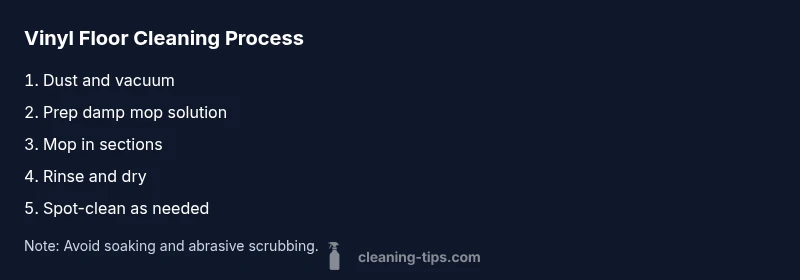
Plan a deeper weekly clean that still respects vinyl’s sensitivities. Vacuum or sweep first, then prepare a mild cleaning solution using water and a few drops of dish soap or a pH-neutral vinyl cleaner. Using a damp microfiber mop or flat pad, work in sections and rinse the pad frequently to prevent spreading dirt. Pay attention to edges near baseboards and under furniture; these areas often accumulate dust that can abrade the surface if left unattended. After mopping, go over the floor with a clean, damp pass to remove any soap residue, which can leave a film if not fully rinsed. Allow the floor to air-dry completely before re-positioning furniture to avoid moisture-related issues.
Spot Cleaning: Handling Spills and Stains
Not all spills require a full mop. For minor spills, blot with a soft cloth to prevent liquid from soaking into the vinyl’s seams. For sticky residues, dampen a cloth with warm water and a touch of mild soap, then gently wipe. For ink, marker, or permanent dye stains, dab with a small amount of acetone-free nail polish remover or isopropyl alcohol on a cotton ball, testing a hidden area first. Never scrub aggressively with abrasive pads, which can scratch the finish. When dealing with grease or food stains, a mild detergent dissolved in water usually does the trick. Dry the area after cleaning to prevent moisture from seeping into the edges.
Safe Cleaners: What to Use and What to Avoid
Choose cleaners labelled for vinyl floors or pH-neutral floor cleaners. A simple solution of water and a few drops of mild dish soap is often enough for routine cleaning. Avoid ammonia, bleach, wax-based cleaners, or highly acidic products, as they can degrade the finish. Do not use straight vinegar on all vinyl floors without checking the manufacturer's guidelines, since some formulations may harm the surface’s protective coating. Always test cleaners in a small, inconspicuous area before applying widely. Keep cleaners away from open flames and store them out of reach of children and pets. The aim is to clean without dulling shine or compromising the floor’s finish.
Deep Cleaning Methods: When to Mop vs Steam
Mopping with a damp microfiber pad is the safest standard method for most vinyl floors. Steam mops are not universally recommended; high heat can warp or loosen adhesives on some vinyl products. If you choose steam, ensure your floor type explicitly allows it and use the lowest possible setting, keeping the surface in view at all times. For stubborn grime, a dedicated vinyl cleaner with a minimal amount of cleaner can be applied and left for a minute before wiping away. Rinse with a clean, damp mop to remove any residue. Always dry thoroughly after deep cleaning to prevent moisture from seeping into edges and seams.
Grout Lines, Edges, and Hard-to-Reach Areas
Vinyl floors rarely have grout like tile, but edges near baseboards, along transitions, and under cabinet toe-kicks can trap dirt. Use a soft-bristle brush or an old toothbrush to gently scrub these areas with a tiny amount of cleaner. Wipe with a damp microfiber cloth to remove loosened grime. For heavy baseboard dust, remove the baseboard edge dust by hand or with a slightly damp cloth. Avoid flooding seams; moisture in these zones can cause swelling or warping. Regular attention to these zones keeps the floor looking uniform and prevents dull patches from forming at the edges.
Dealing with Pet Stains and Odors
Pets can leave persistent odors or stains. Blot up urine immediately with a clean cloth and then clean the area with a vinyl-safe cleaner. For odors, an enzyme-based pet cleaner is often effective, but test first in an inconspicuous area. Do not rely on steam or excessive moisture to remove odors, which can drive urine deeper into seams. After treatment, rinse the area with a damp cloth and dry completely. Regular vacuuming of pet hair reduces miniature grit that can scratch the finish. If odors persist, consider using area rugs or mats to protect high-traffic zones where pets are most active.
Pro Tips for Different Vinyl Surfaces: Sheet vs Plank
Sheet vinyl and luxury vinyl plank (LVP) have subtle differences. LVP can often tolerate a slightly damp mop more robustly than sheet vinyl, but you should still avoid soaking. For sheet vinyl, frequent light cleaning helps maintain the surface’s protective topcoat. When cleaning darker colors or high-gloss finishes, use a microfiber pad and avoid aggressive brushing that can dull the sheen. If your product has a textured finish, use a soft-bristle brush on stubborn spots to avoid marring. Always follow manufacturer recommendations and perform a patch test to confirm compatibility with cleaners.
Preventive Care: Matting, Rugs, and Furniture Protection
Prevention is as important as cleaning. Place doormats at all exterior doors to trap dirt before it gets tracked inside. Use felt pads under furniture legs to prevent scratching and minimize friction that can wear down the surface. Rotate area rugs occasionally to prevent uneven wear under heavy furniture. Keep pets’ nails trimmed and clean, reducing scratches. Regularly sweep or vacuum to remove grit that can become abrasive. A few preventative steps can dramatically extend the life and appearance of vinyl floors.
Common Mistakes and How to Fix Them
Common mistakes include over-wetting the floor, using abrasive pads, and ignoring spills until they dry. To fix, switch to a damp mop, use non-abrasive cloths, and re-clean the area with minimal soap residue. Another mistake is using wax-based products that leave a buildup and can make floors slippery. If you notice a dull film, re-wipe with a clean, damp microfiber pad to remove residue. Finally, never ignore the manufacturer’s cleaning guidelines; they are designed to protect warranties and ensure long-term performance.
Troubleshooting: Peeling, Curling, or Discoloration
Peeling or curling often indicates moisture intrusion or poor installation. If you notice edges lifting, stop using water near the area and consult a professional. Discoloration can result from sun exposure, chemical damage, or wear. If you suspect chemical damage, test a small area with your chosen cleaner to ensure there is no color change. For persistent issues, consult the manufacturer’s warranty or a flooring professional. Regular maintenance and cleaning will reduce the risk of early wear and prolong the floor’s life.
Tools & Materials
- Microfiber mop(Flat mop or sponge mop with microfiber cloth)
- Vacuum cleaner with hard-floor setting(Not a standard vacuum with a beater bar)
- Bucket(Plastic bucket for dilution)
- Mild dish soap(A few drops in 1 gallon of water)
- pH-neutral vinyl cleaner(Use if your floor recommends it)
- White cloths or towels(For blotting spills)
- Soft-bristle brush(For edges and corners)
- Sponge or non-abrasive pad(Gentle scrubbing for stains)
Steps
Estimated time: 60-120 minutes
- 1
Clear the area and remove debris
Move furniture and rugs, then vacuum or sweep to remove loose dirt. This prevents grit from scratching the surface during mopping.
Tip: Declutter before cleaning to avoid pushing dirt around. - 2
Mix a safe cleaning solution
In a bucket, combine water with a few drops of mild dish soap or a manufacturer-recommended vinyl cleaner. Use the minimum effective amount to avoid residue.
Tip: Always follow cleaner instructions and test a small area first. - 3
Dampen the mop
Wring the mop so it’s damp, not soaking wet. Excess water can seep into seams and edges, causing damage over time.
Tip: A damp mop reduces risk of moisture-related issues. - 4
Mop in sections
Working in small sections, wipe the floor with a smooth, overlapping motion. Rinse the mop frequently to avoid reapplying dirt.
Tip: Rinse often to prevent leaving a film. - 5
Rinse and dry the surface
Go over the floor with a clean, damp cloth to remove soap residue, then dry with a clean towel or allow air-drying.
Tip: Ensure the area is completely dry before walking on it. - 6
Spot-clean stubborn stains
Apply a small amount of cleaner to a soft cloth and gently rub the stain. Avoid abrasive pads that can scratch.
Tip: Test on a hidden area first and avoid harsh solvents. - 7
Tackle edges and corners
Use a soft brush to reach baseboard edges and tight corners. Wipe clean with a damp microfiber cloth.
Tip: Edges collect more grime; don’t skip them. - 8
Prevent moisture intrusion
Do not oversaturate the floor; always dry thoroughly after cleaning. Keep humidity levels stable.
Tip: Use fans or open windows if needed to speed drying. - 9
Routine maintenance
Perform light cleaning weekly and a deeper clean monthly or as needed by traffic levels.
Tip: Adjust frequency based on foot traffic and pets. - 10
Inspect for wear
Check seams, edges, and high-traffic areas for signs of peeling or curling; address early with a professional if needed.
Tip: Early action preserves the floor’s life and appearance. - 11
Protect the floor
Place mats and furniture pads to reduce debris reach and furniture-induced scratches.
Tip: Move heavy furniture with care to avoid damage.
Questions & Answers
Can I use vinegar on vinyl floors?
Vinegar can be used cautiously on some vinyl floors, but always check the manufacturer’s guidelines first. Dilute vinegar and test on a hidden area to avoid potential damage or finish dulling. If in doubt, use a pH-neutral cleaner instead.
Vinegar may be okay on some vinyl floors, but test first and follow manufacturer directions. If unsure, use a neutral cleaner instead.
Is steam cleaning safe for vinyl floors?
Steam cleaning is not universally recommended for vinyl floors. High heat and moisture can warp edges or loosen adhesives on some products. Check the floor’s warranty and the manufacturer’s cleaning guidelines before using steam.
Steam cleaning isn’t always safe for vinyl. Check the product guidelines and warranty before using steam.
How often should I mop vinyl floors?
Frequency depends on traffic, pets, and spills. In kitchens and entryways, a light daily wipe and a deeper mop weekly usually work well. In low-traffic areas, a weekly clean may suffice.
Mop according to traffic—often daily light cleaning and a deeper mop weekly is a good baseline.
What should I avoid on vinyl floors?
Avoid ammonia, bleach, wax-based cleaners, and abrasive pads. Also avoid soaking the floor; use a damp mop and dry thoroughly after cleaning to prevent water damage.
Avoid harsh chemicals and soaking the floor; use a damp mop and dry well.
Does the cleaning method differ for sheet vs plank vinyl?
Sheet vinyl and LVP share many cleaners, but LVP tends to tolerate damp mopping slightly better. Always follow manufacturer recommendations and perform a patch test when trying a new product.
Sheet vinyl and plank clean similarly, but patch-test new cleaners and follow the manufacturer’s advice.
Watch Video
The Essentials
- Start with a dry clean to remove grit
- Use pH-neutral cleaners and damp mops
- Avoid soaking floors and abrasive tools
- Tackle edges and stains promptly for best results