How to Clean Fruit with Vinegar: A Practical Guide
Discover a practical method to clean fruit with vinegar, remove residues, and keep flavors intact. Step-by-step instructions, tips, and safety guidance for a healthier kitchen.


We'll show you how to clean fruit with vinegar using a simple, hands-on method. You’ll prepare a dilute solution, soak produce briefly, then rinse and dry to reduce surface residues. This quick, practical approach works for most fruits and is easy to adapt for varying household needs. By following these steps, you remove more pesticides and germs than rinsing alone.
Why it matters to clean fruit with vinegar
Using a vinegar-based wash helps remove pesticides, wax coatings, soil, and some surface microbes from fresh fruit. The Cleaning Tips team highlights that a dilute vinegar solution can reduce residues more effectively than rinsing with water alone, especially on smooth surfaces like apples and grapes. For best results, prepare a clean workspace, wash your hands, and work in a well-lit area. Remember: not every fruit needs the same handling, but a vinegar rinse is a versatile starting point for most common store-bought produce. In addition to safety, a vinegar wash can extend the perceived freshness by removing clingy film and odors. Always rinse thoroughly after the wash to remove any remaining vinegar flavor and to protect taste. If you're new to this method, start with a small batch and observe how the produce responds to the rinse. According to Cleaning Tips, small, consistent batches help you refine your method to your produce and kitchen setup.
How vinegar works to sanitize produce
Vinegar contains acetic acid, which can disrupt the cell membranes of some common grocery-store microbes and help lift bacteria and residues from the surface. The acid also breaks down some waxy coatings that soaps or plain water might leave behind. When used as a wash, vinegar creates a gentle, short contact time that reduces microbes without soaking the fruit for long on most produce. Because the pH and dilution affect effectiveness, a common practice is to dilute white distilled vinegar with water. The exact ratio can vary, but moderate dilution strikes a balance between sanitation and taste. After washing, thorough rinsing with clean water is essential to remove vinegar and any loosened residues, ensuring the fruit remains pleasant to eat.
When to use vinegar vs. other methods
Vinegar works well for a wide range of produce, especially firm-skinned fruits like apples, pears, and melons, and for items you will eat with minimal peeling. For delicate greens, berries, or produce with fuzzy surfaces, you may prefer a shorter rinse or a dedicated produce wash. Water-only rinsing is fine for very clean fruit, but a vinegar wash can give extra confidence when handling produce purchased from markets where handling standards vary. If you have sensitivities to vinegar, a lemon juice solution or a commercially prepared produce wash can be an alternative. Always rinse thoroughly regardless of method to avoid flavors carrying over into your next snack.
Step-by-step method for washing fruit with vinegar
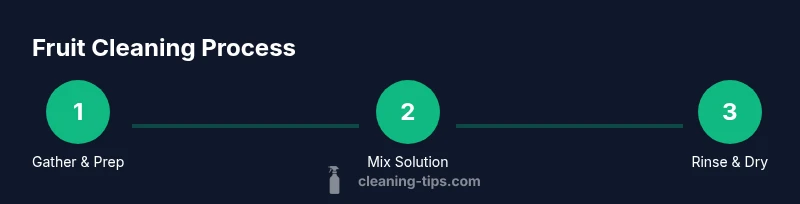
To start, gather your fruit and set up a clean station. Mix a mild vinegar solution and prepare a rinse bowl. Submerge produce for a brief time, gently agitate, then rinse with fresh water. Dry with a clean towel or air dry on a clean edge. Finally, store properly.
Rinse, dry, and storage best practices
Rinse thoroughly for 30-60 seconds until all vinegar scent disappears. Use a clean cloth towel to pat dry or allow air-drying on a clean surface. Store fruits in clean containers or breathable produce bags in the refrigerator or pantry. If washing berries, let them dry on a clean rack to avoid mushy texture. Do not rewash already cleaned fruit; wash just before eating or using and store within recommended times.
Common pitfalls and safety cautions
Don't soak for too long; long exposure may alter flavor or damage delicate skins. Never mix vinegar with bleach or any household cleaners, as dangerous fumes can form. Use separate utensils for washing and handling. Discard produce that shows mold, signs of spoilage, or deeply cut surfaces; washing won't fix compromised fruit. Use food-grade vinegar; avoid flavored vinegars that may leave unwanted tastes or colors.
Alternatives and tweaks for different produce
Apple cider vinegar is a common alternative to distilled white vinegar; adjust ratio to taste. For citrus, rinse with plain water after the vinegar bath to avoid bitterness; For leafy greens, a quick swish is enough, then dry thoroughly. Some households add a splash of lemon juice to brighten flavor after rinsing. If you’re avoiding vinegar entirely, a commercial produce wash can be used following package directions.
Quick kitchen routine for fruit cleaning
Establish a simple routine: unpack groceries at the sink, set up the wash station, and keep a clean towel handy. Clean fruit with vinegar can be batched on a weekly basis, then stored washed and ready to eat. Label containers and store the solution away from heat. This helps create consistent results and reduces last-minute scrambles for snacks.
Tools & Materials
- bowl or large colander(Big enough to hold multiple pieces of fruit at once)
- white distilled vinegar or apple cider vinegar(Food-grade; avoid flavored vinegars)
- clean water for rinsing(Cold water preferred for crispness)
- measuring cup(For accurate dilution if you choose to follow a ratio)
- soft produce brush(Helpful for firm-skinned items like apples or melons)
- clean kitchen towel or salad spinner(Drying helps prevent mold during storage)
- knife and cutting board (separate from wash area)(Use only after washing if you need to prep)
Steps
Estimated time: 10-15 minutes
- 1
Gather produce and prep station
Collect all fruits and vegetables to be cleaned and clear a space by the sink. Set out a clean bowl or colander, towels, and your vinegar solution supplies. Having everything ready reduces cross-contamination and speeds up the wash.
Tip: Pre-warm hands and wash the sink area quickly to reduce transfer of dirt. - 2
Mix vinegar solution
In a clean bowl, mix water with vinegar at a comfortable dilution (for example, 1 part vinegar to 3 parts water). This creates the sanitizing bath without overpowering flavors. If you’re new to the rhythm, start with a smaller batch.
Tip: Keep the solution cold to maintain crisp texture in produce. - 3
Submerge produce
Place produce into the solution and soak for about 1–2 minutes, depending on the item. Short immersion helps loosen residues without soaking sensitive fruits. For berries, shorten the time to prevent mush or color bleed.
Tip: Avoid soaking moldy or compromised fruit; discard those pieces before washing. - 4
Gently agitate or scrub
Swirl the items and lightly scrub rough skins with a soft brush to lift particles. Focus on seams and areas where dirt clings, like the stem area of apples or the skin of melons.
Tip: Use minimal pressure to prevent bruising delicate fruit. - 5
Rinse thoroughly
Remove produce from the bath and rinse under cold running water until the vinegar aroma dissipates and surface residues are gone. A good rinse ensures no lingering vinegar taste.
Tip: Direct the stream to wash away loosened particles rather than splashing back onto clean items. - 6
Dry completely
Pat dry with a clean towel or use a salad spinner for greens, then lay items on a clean surface to air-dry. Dry surfaces reduce mold risk during storage.
Tip: Air-drying is especially effective for leafy greens; avoid stacking while damp. - 7
Store or use promptly
Store cleaned produce in appropriate containers or breathable bags in the fridge or pantry, following per-produce guidance. Use within several days for best quality.
Tip: Do not mix washed produce with unwashed items; keep batches separate. - 8
Clean up and sanitize
Rinse and dry the sink, utensils, and work area to prevent cross-contamination for the next task. Wash hands after handling raw produce and before touching other foods.
Tip: Keep a dedicated wipe-down cloth for the wash area to prevent cross-use.
Questions & Answers
Is vinegar washing safe for all fruits?
Vinegar washing is generally safe for most fruits, but porous or highly delicate items may absorb flavors; rinse well and adjust soaking time as needed.
Vinegar washing works for most fruits, but rinse thoroughly and tailor soak times for delicate produce.
Can I use apple cider vinegar instead of white vinegar?
Yes. Apple cider vinegar is an acceptable alternative. It may have a milder acidity and a distinct flavor that could carry through if not rinsed well.
Yes, apple cider vinegar works, but ensure you rinse well to avoid flavor transfer.
Should I soak fruit longer to remove pesticides?
Longer soaking does not necessarily remove more pesticides and can affect texture and flavor. Keep soak times concise and rely on thorough rinsing.
Long soaks don’t guarantee better pesticide removal and can harm texture.
Do I need to dry fruit after washing?
Yes. Drying reduces moisture that can promote mold and spoilage during storage. Use a clean towel or air-dry completely.
Yes—drying helps prevent mold and texture changes when stored.
Is rinsing with just water enough?
Water rinsing removes loose dirt, but a vinegar wash provides extra cleansing for many produce types. If produce is very clean, water may suffice.
Water can be enough for very clean fruit, but vinegar provides extra cleaning.</
Watch Video
The Essentials
- Start with clean workspace and produce.
- Dilute vinegar properly and rinse completely.
- Dry thoroughly before storage to prevent mold.
- Adjust soaking time by produce type to avoid texture changes.
- Never mix cleaners with vinegar.