How to Clean an Oil Spill: Practical Cleanup Guide for Homes
Learn a proven, step-by-step method to safely clean an oil spill on kitchen surfaces, with tips, tools, and disposal guidance from Cleaning Tips.


According to Cleaning Tips, this guide helps you safely clean a surface oil spill using absorbents, soap, and a gentle degreaser. You’ll learn quick prep steps, surface-specific methods, and proper disposal to prevent staining and lingering odor. With the right materials and a calm workflow, you can restore cleanliness fast and reduce damage to floors, counters, or fabrics.
Understanding the scope and risks of a clean oil spill
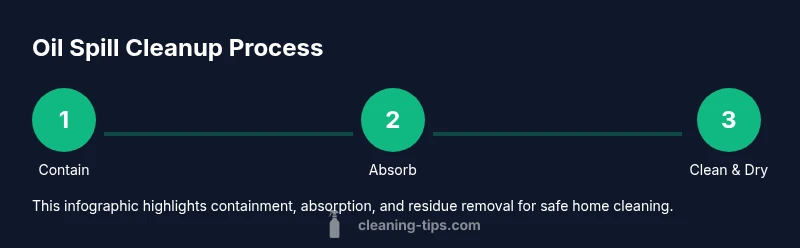
A clean oil spill can happen on any hard surface in the home, from a stove-top counter to a garage floor. The phrase clean oil spill refers to the process of preventing spread, containing the liquid, and removing it without leaving behind sticky residue or odors. Oil spills pose several risks: they can cause slippery patches that lead to falls, they can darken or stain porous materials, and some oils release fumes when mixed with certain cleaners. Acting quickly is essential, but safety comes first. Before you begin, ventilate the area, put on gloves, and make sure children and pets are kept away from the spill. A calm, systematic approach helps you minimize the damage and avoid cross-contamination. The core goal is to remove the oil without pushing it deeper into seams, grout, or wood pores. Start by identifying the surface type and the spill extent. A small spill on a sealed laminate countertop is handled differently from a larger spill on unsealed wood or a carpeted area. Cleaning Tips’ approach emphasizes three phases: containment, absorption, and residue removal. Containment stops the spill from spreading; absorption soaks up most of the oil; residue removal uses a mild detergent or degreaser to lift remaining traces. Throughout the process, resist the urge to scrub hard or apply full-strength solvents initially—these can push oil further or damage finishes. If you encounter a spill near electronics or outlets, unplug devices and work with dry tools to avoid short circuits. This careful, stepwise method reduces stain risk and helps you restore a clean, safe surface.
note
Tools & Materials
- Absorbent material (baking soda, cat litter, or commercial absorbent)(Choose fine-grain absorbents for better pickup; sprinkle generously around the spill.)
- Paper towels or clean rags(Have extra on hand for rapid blotting and containment.)
- Dish soap or mild degreaser(A gentle detergent works on most surfaces without damage.)
- Warm water in a bucket(Used for rinsing and making a wash solution.)
- Soft brush or sponge(For lifting residue without scratching surfaces.)
- Plastic scraper or old card(Helpful for lifting stubborn patches without spreading oil.)
- Gloves and eye protection(Prevent skin contact and splashes; especially important on porous surfaces.)
- Trash bag or sealable container for disposal(Seal used absorbents and soiled rags separately.)
- Optional: cornstarch as additional absorbent(Can boost absorption on very slick patches.)
- Optional: mild fabric cleaner for fabrics(Use only if stains reach upholstery or textiles.)
Steps
Estimated time: 60-90 minutes
- 1
Contain and isolate the spill
Begin at the edge of the spill and work toward the center, laying down absorbent to stop further spread. If the spill is near a doorway, close it off to keep the work area contained. This step reduces the amount of surface area you’ll need to treat and minimizes cross-contamination.
Tip: Containment is the most important first move; it prevents the spill from traveling to adjacent surfaces. - 2
Blot the liquid, don’t rub
Use clean paper towels to blot the area starting from the outside edge toward the center. Avoid rubbing, which can push oil deeper into porous materials and make stains harder to remove.
Tip: Rubbing can grind the oil into fibers or grout; blotting preserves surface integrity. - 3
Apply absorbent material
Generously cover the spill with baking soda, cat litter, or another absorbent. Let it sit for 5–10 minutes to soak up liquid before collecting it.
Tip: Giving absorbent time to work improves pickup and reduces subsequent cleaning effort. - 4
Scoop up used absorbents
Carefully lift the absorbed material with a scraper or gloved hand and place it into a trash bag. Do not compress; you want to keep the oil absorbed rather than re-dispersing it.
Tip: Containment and disposal in a sealed bag prevent spread and odor. - 5
Prepare a cleaning solution
Mix a small amount of dish soap with warm water or use a mild degreaser. Test on an inconspicuous area first to ensure it won’t damage the surface.
Tip: If you can test first, you’ll avoid surprises on finishes or fabrics. - 6
Clean the area
Dip a soft brush or sponge into the solution and gently scrub the area in circular motions to lift remaining residue. Rinse as you go with clean water to avoid leaving soap behind.
Tip: Gentle scrubbing avoids scratching and helps lift embedded oil. - 7
Rinse and inspect
Rinse with clean water and check for any shiny patches or lingering odor. If needed, repeat the absorbent and cleaning steps until the area looks and smells clean.
Tip: Persistent spots may require a second pass at moderate intensity. - 8
Dry completely and ventilate
Pat the area dry with towels and allow it to air-dry fully. Use a fan or open windows to expedite drying and prevent mold.
Tip: Drying is essential to prevent mildew or musty odors. - 9
Dispose of materials and sanitize tools
Place used absorbents and soiled rags into a sealed bag and discard according to local guidelines. Clean and dry brushes and sponges before reuse to avoid cross-contamination.
Tip: Label or separate oil-contaminated waste so it’s handled safely.
Questions & Answers
What is the first thing I should do after an oil spill?
Contain the spill with absorbent materials immediately, then blot to remove surface liquid. Wear gloves and ensure pets/children are away from the area. Start cleaning with a mild detergent once the spill is contained.
Contain the spill right away with absorbent, blot, and then clean with a mild detergent.
Can I use bleach or ammonia to clean oil spills?
Bleach and ammonia are not recommended for oil spills as they can react with cleaners and may damage surfaces. Use mild detergent, degreaser, and water instead.
Avoid bleach or ammonia; stick with a mild detergent or degreaser for safety and surface protection.
Is baking soda effective on all surfaces?
Baking soda works well on many surfaces, but test on sensitive materials like unfinished wood or woven fabrics. It’s mainly used to absorb oil and reduce slipperiness.
Baking soda helps absorb oil on many surfaces, but test first on sensitive materials.
How should I treat oil spills on fabric or carpet?
Blot up as much as possible, sprinkle absorbent, then use a fabric-safe cleaner or detergent. Rinse and launder according to care labels; repeat if stains remain.
Blot, absorb, then clean with a fabric-safe cleaner and launder as directed.
What are proper disposal guidelines for used absorbents?
Place used absorbents in a sealed bag and dispose of according to local waste regulations. Do not mix with other household trash until bag is sealed.
Seal up the used absorbents and follow your local disposal rules.
Do I need professional help for large spills?
Yes. If the spill is large, involves hazardous materials, or you cannot contain it safely, contact local hazardous waste services or a professional cleaning service.
Call a professional if the spill is large or hazardous.
Watch Video
The Essentials
- Contain spills quickly to limit spread
- Use absorbents before detergents for best pickup
- Test cleaners on hidden areas first to avoid damage
- Dispose of contaminated materials safely and promptly
- Dry surfaces thoroughly to prevent mold