How to Clean the Surface: Practical Home Cleaning Guide
Learn effective, safe techniques to clean every surface in your home—from countertops to glass—without damaging finishes. This guide covers cleaners, methods, and maintenance for a healthier, streak-free result.


This guide shows you how to clean the surface effectively across kitchen, bathroom, and living spaces. You’ll learn safe cleaner choices, avoid damage, and achieve streak-free results. The plan emphasizes testing cleaners first, using microfiber cloths, and drying surfaces to prevent water marks and residue. You'll also learn how to adjust methods for wood, stone, glass and metal, and how to maintain a clean surface over time.
Why Clean the Surface Matters
Keeping the surface tidy isn’t just about appearance. Regular cleaning reduces grime buildup, prevents staining, and limits the growth of bacteria and allergens that can affect indoor air quality. A clean surface also helps protect finishes and materials from premature wear, saving you money on repairs or refinishing. When you commit to a simple, repeatable routine, you’ll notice fewer fights with sticky residues and fewer streaks on glass or polished metal. The goal is not perfection, but consistent improvement that supports a healthier home environment. By focusing on practical steps and safe cleaners, you can clean the surface effectively without introducing harsh chemicals into living spaces. For homeowners and renters, developing a routine that fits busy schedules makes maintenance manageable rather than a chore. The Cleaning Tips team emphasizes that safety and efficiency go hand in hand, so start with mild products and escalate only if necessary.
Remember: the objective is clean, not complicated. A simple damp microfiber cloth and a gentle cleaner will handle most daily grime well when used correctly.
Types of Surfaces and Suitable Cleaners
Different materials require different approaches. For nonporous surfaces like glass, ceramic, and most laminates, a mild detergent or a dedicated all-purpose cleaner usually works well. Stainless steel benefits from a specialized stainless cleaner or a gentle soap solution followed by buffing to remove fingerprints. Wood and some laminates are best cleaned with a pH-neutral cleaner or a small amount of dish soap diluted in water; avoid soaking and always dry promptly to prevent warping. Stone surfaces, including granite and marble, demand neutral pH cleaners and avoidance of acidic solutions like vinegar or citrus unless the surface is specifically sealed and rated for acidic cleaners. Painted surfaces and wallpapers should be treated with care, testing any cleaner on a hidden area first to avoid stripping or discoloration. By knowing your surface type, you select cleaners that preserve finish and color while removing the grime that accumulates from daily use.
Preparing Your Cleaning Station
Before you begin, gather your supplies and prepare the area. Open a window or turn on ventilation to avoid inhaling fumes. Put on gloves if you’re using stronger cleaners or if you have sensitive skin. Set up a dedicated work area with a microfiber cloth, a second dry cloth for buffing, a spray bottle with your cleaner of choice, and a separate one for water rinse if needed. Label cleaners clearly and never mix products. Clear the surface of items to access every corner, and place a protective mat for fragile surfaces if you’re worried about scratches. A well-organized station reduces waste, speeds up the process, and minimizes the chance of accidents.
If you’re cleaning many areas, consider zoning your tasks (kitchen counters first, then bathroom surfaces) to maintain focus and track progress.
Step-by-Step Cleaning Method That Works for Most Surfaces
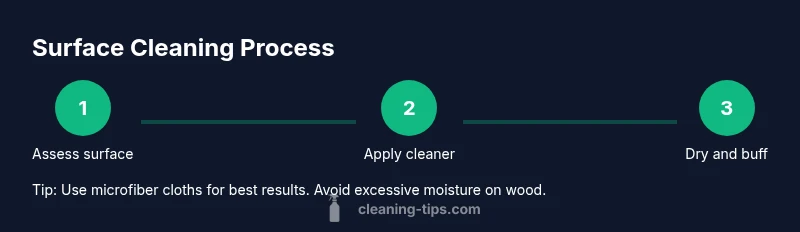
This section provides a repeatable framework you can apply broadly, with surface-specific tweaks as needed. Start with the mildest cleaner and the least amount of moisture to prevent damage. Always wipe in a consistent direction, especially on wood and glass, to avoid smear lines and streaks. After cleaning, dry the surface completely to prevent moisture-related issues. For electronic-adjacent surfaces, avoid direct spray and use a damp cloth instead. Remember to vent and rinse any residue that could leave a-filmy film—this helps keep the surface looking bright and new.
Handling Stains and Persistent Residues
Sticky residues from food, tape, or adhesives require a bit more attention. A small amount of baking soda paste can lift some greases and dried sauces from wider surfaces; test first in a hidden spot to ensure it won’t scratch or dull the finish. For mineral rings around sinks or fixtures, a gentle scrub with a mild cleaner and a soft-bristled brush often does the trick. For ink or felt-tip on smooth plastics, a gentle alcohol-based cleaner can help; always test on an inconspicuous area first. When dealing with tough stains, pause and switch to a slightly stronger cleaner only for the affected area, then rinse and dry thoroughly.
Drying, Rinsing, and Buffing for a Shine
After wiping away cleaners, use a dry microfiber cloth to buff the surface to a streak-free finish. Rinse a cloth with clean water if residue remains and wipe again, then dry completely. For glass and glossy surfaces, a final gentle buff with a dry cloth often yields the best shine. If you notice streaks, switch to a fresh microfiber cloth and re-wipe in a single diagonal direction. The goal is a clean surface without ghost lines or damp patches that can attract more dust.
Routine Maintenance: Daily, Weekly, and Monthly Practices
To keep surfaces looking their best, establish a maintenance cadence. Daily: wipe high-traffic areas with a damp cloth to prevent smear buildup. Weekly: do a more thorough wipe-down of major surfaces, focusing on fingerprints and spills. Monthly: inspect corners, edges, and joints for grime buildup or moisture damage, and address any issues before they escalate. Document your routine so family members can participate, which helps sustain results over time. This habit reduces the effort needed for deeper cleans and keeps surfaces healthier long-term.
Safety, Storage, and Environment
Always prioritize safety when selecting cleaners. Read labels for proper dilution, ventilation requirements, and whether the product is suitable for your surface. Never mix cleaners, particularly ammonia-based products with bleach, as this can release harmful gases. Store cleaners out of reach of children and pets. Keep usage to well-ventilated areas to minimize inhalation of fumes. Consider eco-friendly options when possible to minimize environmental impact while maintaining effectiveness.
Tools & Materials
- Microfiber cloths(Lint-free; have at least two for damp and dry use)
- Spray bottle(Fill with cleaner or water-diluted products)
- Mild dish soap(Dilute in water as a light cleaner)
- pH-neutral cleaner(Suitable for most nonporous surfaces; test first)
- White vinegar(Only for surfaces that tolerate acidity; do not use on natural stone)
- Baking soda(Make paste for stubborn residues; test first)
- Soft-bristle brush(Gently scrub textured surfaces; avoid scratching polished finishes)
- Gloves(Protect skin when using cleaners for extended periods)
- Dry towel or buff cloth(For final buffing to remove streaks)
Steps
Estimated time: 20-30 minutes
- 1
Clear and prep the surface
Remove objects from the area and place a protective mat if needed. This prevents items from getting wet or obstructing cleaning, and reduces the risk of accidental damage. If cleaning a high-traffic area, remove heavy items and place a soft mat so you can work efficiently.
Tip: Take a quick photo of the surface to compare before/after; this helps you see progress. - 2
Dust and loosen grime
Wipe away loose dust with a dry microfiber cloth. For textured surfaces, use a slightly damp cloth to lift embedded dirt without pushing it deeper into fibers. Dusting first makes the subsequent cleaning more effective.
Tip: Always use a circular motion on smooth surfaces and straight strokes on flat glass to prevent streaks. - 3
Apply cleaner and agitate
Spray a small amount of cleaner on a microfiber cloth or directly on the surface if appropriate. Gently agitate with a cloth or brush to lift grime, focusing on corners and edges where buildup tends to collect.
Tip: Avoid soaking; use a damp cloth rather than a saturated one to prevent water damage. - 4
Wipe away residues
Wipe in consistent, overlapping strokes to remove lifted grime. For stubborn spots, reapply cleaner and let it sit for a minute before wiping again. Use a second cloth to trap removed residue.
Tip: For glass or mirrors, wipe with the grain perpendicular to light to minimize streak visibility. - 5
Rinse or blot dry
If using rinse-capable cleaners, wipe with a lightly damp cloth to remove any cleaner residue. Then blot dry with a clean towel to remove moisture and prevent water marks.
Tip: Never leave excess moisture on wood or laminated surfaces; moisture can cause warping. - 6
Dry and buff to shine
Finish with a dry microfiber cloth to buff the surface until you see a clean, streak-free shine. This also helps trap any remaining dust and enhances appearance.
Tip: Buff in short, even motions and check under bright lighting for any missed spots. - 7
Inspect and touch up
Review the entire area for missed spots or streaks. If needed, repeat steps on trouble areas. A final once-over ensures uniform cleanliness across the surface.
Tip: Keep a small, labeled bottle of cleaner handy for quick touch-ups between full cleans.
Questions & Answers
What cleaners are safe for different surfaces?
Most nonporous surfaces tolerate mild detergents or all-purpose cleaners. For stainless steel, use a stainless-specific cleaner or a mild soap solution with buffing. Stone surfaces require neutral pH cleaners; avoid acids unless the surface is sealed for them. Always test new cleaners in an inconspicuous area first.
For most surfaces, start with a mild cleaner and test in a hidden spot. Stainless steel, glass, and ceramic respond well to pH-neutral products; stone should be cleaned with neutral cleaners unless sealed for acids.
Is vinegar safe on all counter materials?
Vinegar is not suitable for all counters. It can dull stone and some laminates. Use it only on surfaces known to tolerate acidity, or dilute heavily and test first.
Vinegar isn’t safe for every counter. Test first and avoid on stone surfaces unless recommended by the manufacturer.
How often should I clean surfaces?
Daily quick wipes prevent buildup; a deeper clean weekly or monthly keeps grime from accumulating. Schedule based on surface use and exposure to spills.
Do quick daily wipes, with a deeper clean weekly or monthly depending on usage.
Can I use bleach on wooden surfaces?
Bleach can damage wood finishes. Avoid chlorine-based cleaners on wood; use a mild soap solution or wood-safe cleaner, and dry promptly.
Bleach is not recommended for wood surfaces. Use wood-safe cleaners and dry quickly.
How do I remove coffee stains from countertops?
For most countertops, a paste of baking soda and water applied gently can lift coffee stains. Rinse well and dry. If stains persist, repeat with a fresh paste and consider a stone-safe cleaner if appropriate.
Try a baking soda paste on the stain, rinse, and dry. Repeat if needed, and avoid harsh scrubbing that could scratch the surface.
Should I dry surfaces after cleaning?
Yes. Drying prevents water spots, streaks, and moisture damage. Use a clean microfiber towel for best results.
Absolutely. Dry surfaces to avoid water marks and damage, using a microfiber cloth.
What should I do if a cleaner irritates my skin?
Discard or replace cleaners and wear gloves. Rinse skin promptly if contact occurs and consider milder products or gentler formulations.
If cleaners irritate your skin, stop using them, rinse thoroughly, and wear gloves next time.
Are eco-friendly cleaners as effective as conventional ones?
Many eco-friendly cleaners are effective for routine cleaning, especially when used as directed. For stubborn grime, you may need stronger formulas, but start with eco-friendly options and test on a small area.
Eco-friendly cleaners work well for everyday cleaning; for tough grime, you may upgrade, but begin with gentler products.
Watch Video
The Essentials
- Start with mild cleaners to minimize damage
- Dry surfaces thoroughly to prevent moisture harm
- Test cleaners on hidden areas first
- Buff to a streak-free finish for polished surfaces
- Maintain a simple, repeatable cleaning routine