How to Clean Hard Floor Surfaces: A Practical Guide
Learn to clean hard floor surfaces safely and effectively with a practical, step-by-step approach. This guide covers floor types, appropriate cleaners, techniques, and maintenance tips for a bright, durable, residue-free finish.


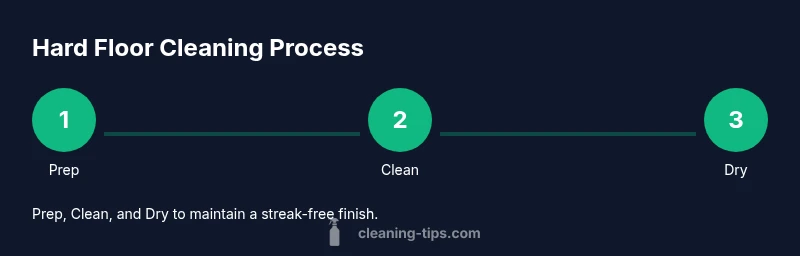
This guide will teach you how to clean hard floor effectively, safely, and without damage. You will learn how to identify floor types, choose appropriate cleaners, and a simple step-by-step routine you can repeat weekly. According to Cleaning Tips, using the right damp-mop technique minimizes residue and preserves finish. This is a practical, room-by-room approach suitable for most homes.
Why clean hard floors matter
Keeping hard floors clean isn't just about appearance. Regular cleaning reduces dust and allergens that can affect indoor air quality. It also protects finishes from grit that can scratch and dull surfaces over time. A small routine—sweeping or vacuuming, followed by damp-mopping with a broad, flat mop—can extend the life of floors across kitchens, entryways, and living spaces. According to Cleaning Tips, the right approach balances effective dirt removal with finish preservation. For households with children or pets, a clean floor also lowers the risk of stains and odors. In this section, we'll explore how different floor types respond to cleaning and why the method matters more than the brand of cleaner.
Types of hard floors and routine adjustments
Hard floors come in many forms, each with its own cleaning needs. Ceramic and porcelain tiles tolerate routine damp mopping but prefer neutral cleaners that won’t dull grout. Vinyl and linoleum floors are forgiving but benefit from lighter solutions and quick drying to avoid adhesive residue. Hardwood and engineered wood floors require water-controlled cleaning to prevent warping, while natural stone (like marble or travertine) needs pH-neutral products and avoidance of acidic cleaners. A good rule is to follow the floor’s care label and test cleaners in an inconspicuous area before full application. Cleaning Tips highlights that tailoring techniques to floor type yields better results than using a one-size-fits-all approach.
Prep steps before cleaning
Clear the room of small furniture and rugs, then remove loose debris with a broom or vacuum. Check the floor for wax buildup, chips, or areas that may be sensitive to moisture. If you discover a finish layer, test a small area first to confirm that your cleaner won’t strip it. Gather your tools, and ensure ventilation if you’re using stronger cleaners. Prepping the surface reduces drag and prevents dirt from spreading during cleaning, making the process faster and more effective.
Cleaning methods by floor type
For ceramic and porcelain, damp-mop with a neutral cleaner and a soft mop head to avoid scratching grout lines. Vinyl and linoleum respond well to mild detergents and quick drying, so avoid excess water. Hardwood and engineered wood benefit from a damp (not wet) mop and a cleaner designed for wood finishes. Natural stone like marble or limestone demands a pH-neutral cleaner and minimal moisture. Steam cleaning is generally not recommended for unsealed or waxed floors, as heat and moisture can cause damage. Always follow label instructions and adjust technique based on floor type to prevent irreversible damage.
Choosing and using cleaners safely
Use pH-neutral cleaners on stone and wood to protect finishes. For many floors, a mild, non-abrasive cleaner is sufficient. Avoid acidic or ammonia-based products on stone, marble, or finished wood, as they can etch or dull surfaces. Do not saturate porous surfaces with water; instead, use a damp mop and wring out well. If you must use stronger cleaners for tough stains, test in a hidden area first and rinse thoroughly after cleaning to remove any residue.
Daily, weekly, and deep-clean routines
Daily upkeep can be as simple as a quick sweep or dry mop to remove grit. Weekly routines should involve a damp mop or gentle vacuum, depending on floor type, to minimize buildup. Periodic deep-cleaning may be necessary for high-traffic areas or after spills. Maintain a consistent schedule: daily debris removal, weekly damp cleaning, and monthly deep cleaning for most homes. Cleaning Tips recommends adjusting frequency based on foot traffic and the presence of pets or children.
Troubleshooting common issues
Streaks can result from over-wetting, using the wrong cleaner, or residue on the mop. Dull or scratched finishes may indicate wear or abrasive cleaners; re-seal or re-finish as needed, following manufacturer guidance. Water spots often occur in hard water areas—consider a pH-neutral cleaner and ensure complete drying. If grout or seams show staining, consider targeted spot-cleaning with a non-acidic cleaner and a soft brush while minimizing moisture.
Drying and finishing touches
After cleaning, dry the floor promptly with a microfiber cloth or towel to prevent water damage and slip hazards. Use fans or open windows to speed evaporation in damp rooms. For wood floors, avoid immediate exposure to heat sources; instead, allow air-drying before resuming normal use. A quick buff with a clean microfiber pad can reduce remaining streaks and leave a uniform appearance.
Maintenance tips to extend floor life
Place doormats at entrances to reduce tracked-in grit, and use protective pads under furniture legs. Rotate area rugs to prevent uneven wear. Clean spills promptly to prevent staining or moisture damage. Reapply floor finishes or sealants as recommended by manufacturers to maintain luster and protection. Regularly inspect grout lines and seals for signs of wear and address them early.
Quick-start checklist for beginners
- Identify floor type and care instructions. - Gather a damp mop, bucket, and neutral cleaner. - Vacuum or sweep to remove debris. - Mop with a damp, wrung-out mop, moving methodically. - Rinse as needed and dry completely before walking on the floor.
Tools & Materials
- Microfiber mop(Lint-free head; avoid overly stiff bristles)
- Vacuum cleaner with hard-floor setting(Bare-floor attachment or hard-floor setting)
- Damp microfiber cloths(For spot cleaning and finishing touch-ups)
- Bucket(For water and cleaner dilution)
- Mild pH-neutral floor cleaner(Follow label for dilution; avoid concentrate on stone)
- Safety gear (gloves)(Protect skin when using cleaners)
- White vinegar (optional)(Use only on suitable floors; avoid stone unless labeled safe)
- Drying towel or microfiber pad(Helps speed up drying and reduce streaks)
Steps
Estimated time: 30-45 minutes
- 1
Inspect floor type and care label
Identify the floor material and read any care instructions. This helps you choose the right cleaner and technique, preventing damage and ensuring a longer life for the finish.
Tip: If you’re unsure, test cleaners in a hidden area first. - 2
Clear the room
Remove furniture, rugs, and obstacles to create an open cleaning path. This reduces re-depositing dirt and makes the process efficient.
Tip: Move heavier items first and place a protection under legs if needed. - 3
Vacuum or sweep debris
Use a vacuum with a hard-floor setting or a thorough broom to remove dust and grit. This prevents gritty particles from scratching the surface during mopping.
Tip: Go slowly and cover the entire area to avoid missed spots. - 4
Prepare cleaning solution
Dilute a mild, pH-neutral cleaner according to the label. Using too strong a solution can leave residue and damage finishes over time.
Tip: Never mix cleaners; stick to one product per session. - 5
Mop with a damp mop
Wring the mop well and mop in straight, overlapping strokes. Start in the center and work outward to minimize dirt redistribution.
Tip: Avoid saturating the flooring; moisture is the enemy of certain finishes. - 6
Rinse or wipe down
Rinse the mop or switch to a fresh cloth to remove cleaner residues. Quick, clear rinsing helps prevent streaks and film on the surface.
Tip: If using a two-bucket method, keep the rinse bucket separate from the cleaning bucket. - 7
Dry the floor
Immediately dry the surface with a microfiber cloth or allow air-drying with good ventilation. This prevents water damage and slips.
Tip: Use a drying towel for high-traffic zones until fully dry. - 8
Spot-clean stubborn stains
Apply a small amount of cleaner and gently scrub with a soft brush on dull spots or stains. Rinse and dry afterward.
Tip: Always test in an inconspicuous area before treating a stain. - 9
Assess finish and re-seal if needed
Check whether the surface has lost luster or shows wear. If so, follow manufacturer guidance for resealing or refinishing.
Tip: Only reseal when the floor is completely clean and dry.
Questions & Answers
Can I use vinegar to clean hard floors?
Vinegar is safe on many sealed floors but should be avoided on natural stone unless the manufacturer approves it. Always dilute and test first. Some floor types can degrade with acidic cleaners.
Vinegar can be used on many sealed floors, but test first and avoid it on stone unless approved by the manufacturer.
Is steam cleaning safe for hard floors?
Steam cleaning can damage certain floor finishes and should generally be avoided on wood, stone, or waxed surfaces. For ceramic or porcelain tile, consult the manufacturer’s guidance before using steam.
Steam can damage wood and stone finishes, so check the floor type before using steam cleaners.
Should I damp mop or wet mop?
Damp mopping is safer for most hard floors as it minimizes water exposure. Wet mopping can be appropriate for very resilient surfaces, but avoid soaking porous floors or those with wood finishes.
Damp mopping is safer for most floors; avoid soaking the surface and follow the floor’s care instructions.
Can I use bleach on ceramic tile?
Bleach can be used cautiously on ceramic tile if diluted and used according to the label, but it may discolor or degrade grout over time. Rinse thoroughly after cleaning.
Bleach can be used sparingly on ceramic tile if diluted and rinsed well, but beware grout staining.
How often should I deep clean hard floors?
Deep cleaning depends on traffic and floor type. High-traffic areas may benefit from monthly deep cleaning, while low-traffic zones can be done every few months as needed.
Deep clean based on traffic; high-traffic areas may need monthly attention, others less often.
Watch Video
The Essentials
- Identify floor type before cleaning.
- Use a damp, wrung mop to avoid excess moisture.
- Choose pH-neutral cleaners for stone and wood.
- Dry floors promptly to prevent damage and streaks.
- Test cleaners and spot-check areas to prevent finish damage.