How to Clean Laminate Floors: A Practical Guide for 2026
Discover a safe, step-by-step method to clean laminate floors without damage. Learn tools, cleaners, and routines for a spotless, durable shine.


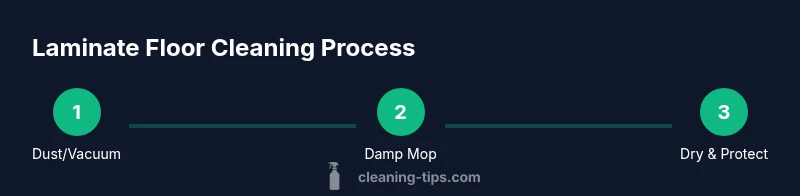
You can safely clean laminate floors by removing debris, using a damp microfiber mop with a pH-neutral cleaner, and drying promptly. Avoid soaking the surface or using waxy products. For stubborn spots, apply a small amount of cleaner to a soft cloth and wipe, then rinse with a damp cloth and dry. This approach minimizes moisture exposure and preserves the finish.
Understanding laminate floors and cleaning safely
Laminate floors are a practical, affordable alternative to hardwood, with a decorative layer protected by a clear top coat. Cleaning them safely means understanding their composition and avoiding moisture that can cause the core to swell or the edges to separate. How to clean laminate floors? The answer remains consistent: keep moisture low, use non-abrasive tools, and select cleaners that are gentle on the finish. According to Cleaning Tips, laminate floors benefit from a gentle cleaning routine that avoids soaking joints and seams. Start by removing loose dirt with a dry dust mop or vacuum on a hard-floor setting. Then wipe with a nearly dry microfiber mop using a cleaner formulated for laminate or a mild, pH-neutral solution. Never flood a laminate floor; water can seep into seams and warp the board. Use a damp mop, not a dripping one, and dry promptly after cleaning. In busy kitchens or entryways, place mats at thresholds and wipe spills promptly to prevent staining or moisture damage. This article outlines tools, cleaners, and a practical weekly routine to maintain a bright, resilient surface for years.
Essential tools and cleaners you can trust
A successful laminate floor cleaning routine starts with the right tools. The right gear makes the difference between a quick wipe and a floor that already shows wear. You’ll want a microfiber mop or flat microfiber pad, because cotton or sponge mops can push dirt around and leave streaks. A vacuum with a hard-floor setting or a broom and dustpan helps remove grit that could scratch the surface. For liquids, choose a mild, pH-neutral laminate floor cleaner designed for sealed surfaces, or dilute a manufacturer-approved cleaner per label directions. Avoid ammonia-based formulas or waxy coatings that leave a slippery residue and can dull the finish over time. Always test cleaners in an inconspicuous corner before applying to widely used areas. Keep soft cloths on hand for spot cleaning and drying. Based on Cleaning Tips analysis, minimizing moisture and selecting pH-neutral cleaners reduces risk to the decorative layer and the laminate core, keeping your floors looking fresh without damage. Finally, store cleaners out of reach of children and pets and label any DIY mixtures clearly to reduce accidents.
Daily care vs. deep cleaning: when to mop and vacuum
Laminate floors accumulate dust and grit quickly; the best routine is a light daily dusting or vacuuming to remove fine particles. In high-traffic areas, vacuum or dry sweep at least 2-3 times per week. A quick wipe with a nearly dry microfiber mop can also remove surface dirt without saturating the joints. For deeper cleaning, plan a weekly or biweekly session using a damp mop with a pH-neutral cleaner. Wring the mop thoroughly so moisture is barely damp; avoid puddles and standing water. If you notice dull patches or sticky residue, switch to a cleaner recommended by the manufacturer and avoid wearing shoes that track in grit. Consistency matters more than heavy cleaning on rare occasions.
Deep-cleaning methods and safe cleaners
When routine cleaning isn’t enough, a deeper clean helps remove sticky residues and restore the floor’s luster. Use a mild, pH-neutral laminate floor cleaner or an approved diluted cleaner, and apply it to the microfiber mop rather than directly to the floor. Work in small sections, moving with the grain to avoid pushing dirt into seams. Do not use steam mops, hot water, or wax-based products that can leave a film or degrade the protective layer. If there is a stubborn spot, apply a small amount of cleaner to a soft cloth and gently rub in a circular motion, then wipe away with a clean, damp cloth. Allow the floor to dry completely before walking on it again. If your floor has a matte finish, test cleaners on a hidden area to avoid changing the sheen.
Spot cleaning, spills, and everyday mishaps
Blot spills immediately with a soft cloth rather than rubbing, which can push liquid into joints. For sticky spots, dampen a microfiber cloth with a small amount of cleaner and rub gently. Avoid vinegar straight from the bottle and never pour cleaner directly onto the floor. In kitchens with heavy traffic, keep a damp microfiber cloth on hand for ongoing touch-ups. For tough stains, consider a manufacturer-approved stain remover and always follow label directions. After any spot cleaning, wipe the area with a clean, damp cloth and dry with a lint-free towel to prevent water staining and warping.
Moisture control and protection
Moisture is laminate’s nemesis. Prevent moisture exposure by using doormats, promptly cleaning spills, and avoiding wet mops that sit on the surface. Consider underlayments with moisture barriers under your laminate floor, and use felt furniture pads beneath chairs and tables to minimize scratches. If a spill occurs, pick up with a dry cloth, then follow with a damp wipe and dry immediately. Never leave damp mops on the floor, and store water away from the edges. Regular maintenance, such as vacuuming weekly and spot-checking seams for separation, helps extend life. Finish with a quick, light buff using a dry microfiber until you see a consistent shine.
Crafting a simple weekly routine and authoritative sources
A minimal, repeatable plan helps keep laminate floors in good shape. Day-to-day: dust or vacuum every other day, then do a damp mop once per week with a pH-neutral cleaner. Monthly: do a more thorough wipe of baseboards and edges to remove dust and grime that can accumulate in corners. Pair this routine with protective practices like placing doormats, using furniture pads, and promptly cleaning spills to avoid moisture exposure. Authoritative sources you can consult for safety and technique include: https://extension.illinois.edu, https://extension.oregonstate.edu, https://www.epa.gov/. The Cleaning Tips team recommends building a simple, consistent routine rather than relying on harsh chemicals or steep scrubbing for laminate floors. By following these practices, you’ll protect the integrity of the surface while maintaining a healthy, clean home.
Tools & Materials
- Microfiber mop(Flat or square head; avoid string mops; wring well to keep surface damp, not wet.)
- Vacuum with hard-floor setting(Use attachment tools to reach corners; avoid beater bars.)
- Broom and dustpan(Use for quick debris before mopping.)
- Bucket(For diluted cleaners; optional if you mix cleaner in a spray bottle.)
- Mild, pH-neutral laminate floor cleaner(Follow label directions; test in hidden area first.)
- Soft cloths or microfiber towels(For spot cleaning and drying.)
- White vinegar (optional, diluted)(Only if manufacturer allows; typically 1:10 with water.)
- Cleaner spray bottle(For convenient mist application without over-wetting.)
Steps
Estimated time: 25-40 minutes
- 1
Prepare the area
Move furniture and décor away from the cleaning zone. Vacuum or dry sweep to remove loose grit and prevent scratches during mopping. If possible, unplug cords and remove rugs that can trap moisture beneath. This step reduces the amount of moisture that reaches the joints.
Tip: Clear the area to avoid dragging dirt into clean sections. - 2
Dry-clean debris first
Use a broom or vacuum (hard-floor setting) to pick up dust, sand, and small debris. Dry cleaning prevents grit from acting like sandpaper when you mop. Focus on corners and along edges where dust collects.
Tip: Grit-free floors reduce the risk of micro-scratches. - 3
Dilute cleaner and test
Mix a small amount of pH-neutral cleaner with water according to label directions, or use a manufacturer-approved laminate cleaner. Test on a hidden area for discoloration or sheen change before broader use.
Tip: Always test first to avoid surprises on your floor. - 4
Mop with a damp microfiber
Moisten the microfiber mop with the diluted cleaner or damp spray bottle solution. Wring until barely damp, then sweep in the direction of the grain. Avoid excess moisture and standing water.
Tip: Keep the mop head flat and steady to prevent pooling. - 5
Spot-clean as needed
Treat sticky or scuffed spots with a small amount of cleaner on a soft cloth. Gently rub, then wipe away with a clean damp cloth and dry the area. Never pour cleaner directly onto the floor for spots.
Tip: Use minimal liquid and gentle pressure. - 6
Dry the floor thoroughly
After mopping, go over the area with a dry microfiber cloth or a dry mop to remove any residual moisture. Ensure seams and edges are completely dry to prevent warping.
Tip: Moisture is your enemy—dry quickly. - 7
Store and maintain
Return furniture, reattach rugs, and store cleaning supplies in a safe place. Create a simple weekly routine: light dusting, followed by a damp mop on a set schedule. Regular maintenance reduces buildup and extends life.
Tip: Consistency beats occasional deep cleans.
Questions & Answers
Can I use steam cleaners on laminate floors?
Most laminate manufacturers warn against steam cleaning due to moisture risk; it can cause warping. Use a damp mop with a pH-neutral cleaner instead.
Steam cleaners aren’t recommended for laminate floors; use a damp microfiber mop.
Is vinegar safe for laminate floors?
Diluted, vinegar-based cleaners can be acceptable in some cases, but many manufacturers caution against acidic cleaners. Always test and prefer a dedicated laminate cleaner.
Vinegar isn’t always recommended; choose a pH-neutral cleaner.
How often should I clean laminate floors?
Dust or vacuum daily or every other day, and mop weekly with a damp microfiber mop. Wipe spills as they occur to prevent damage.
Dust daily, mop weekly, and wipe spills promptly.
What should I avoid when cleaning laminate floors?
Avoid soaking the floor, wax-based products, ammonia, and abrasive tools that can scratch or dull the finish.
Don’t soak, don’t use harsh chemicals or abrasive tools.
Do laminate floors require sealing?
Laminate floors do not require sealing; they rely on a protective top layer. Protect from moisture and avoid overly wet cleaning.
No sealing is needed; protect the surface from moisture.
Can I use a steam mop on laminate floors?
Steam mops are generally not recommended for laminate floors due to potential water damage and warping.
Steaming can cause damage; stick with a damp mop instead.
Watch Video
The Essentials
- Choose a damp microfiber mop for safe cleaning
- Use a pH-neutral cleaner designed for laminate floors
- Dry surfaces promptly after cleaning to prevent moisture damage
- Avoid steam cleaners and wax-based products
- Maintain a simple weekly routine for longevity