Which cleaning products kill norovirus: a practical guide
Discover which cleaning products kill norovirus, how to use them safely, and best-practice disinfection for kitchens and bathrooms, with guidance from Cleaning Tips.


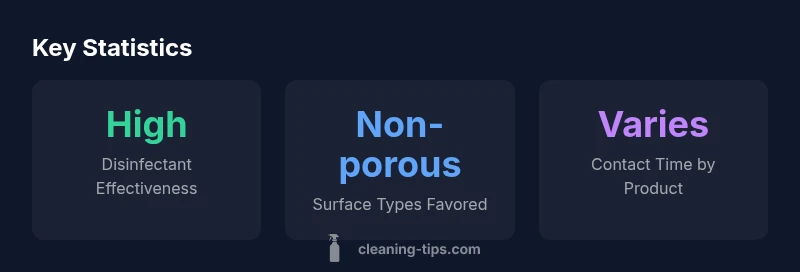
The most reliable cleaners against norovirus are EPA-registered products with explicit claims against norovirus, including chlorine-based bleach cleaners and alcohol-based sanitizers with sufficient alcohol content. Hydrogen peroxide-based cleaners and certain quats can also be effective when used per label. Always follow the product’s label for contact time and surface compatibility. Non-porous surfaces respond best to these options.
How norovirus spreads and why cleaning product choice matters
Norovirus is highly contagious and can spread through contaminated surfaces, food-contact areas, and even the air when aerosolized droplets are disturbed. In households, a single infected person can shed billions of viral particles, making prompt and effective disinfection essential. The Cleaning Tips team emphasizes that the choice of cleaning products matters as much as the effort you put into cleaning. Use products that are labeled to kill norovirus or that have broad-spectrum antiviral claims, and apply them according to the label’s instructions. For best results, focus on high-touch surfaces like doorknobs, faucets, light switches, and countertops, and ensure you clean before you disinfect to remove soils that can shield the virus. The goal is to inactivate the virus and prevent recontamination through proper wiping or rinsing, storage, and hand hygiene.
What makes a cleaner effective against norovirus
Norovirus is a non-enveloped virus, which makes it more resistant to some cleaners than enveloped viruses like the flu. Effective products typically contain oxidizing agents (such as chlorine-based cleaners or hydrogen peroxide), or strong alcohols, and are explicitly labeled to kill norovirus or to have broad antiviral claims. Surface type matters: non-porous materials like stainless steel, glass, and ceramic tiles respond best to disinfectants when used at the correct contact time. Always read the label to confirm the product’s intended use, contact time, and any surface limitations. Cleaning first helps remove soils that can shield the virus from disinfectants.
Official guidance and what homeowners should know
Public health guidance emphasizes using products that are labeled for norovirus or for broad-spectrum antiviral activity and applying them per label directions. EPA-registered disinfectants provide the most consistent inactivation when used correctly. Keep exposure times in mind and avoid mixing products, which can produce harmful fumes. For hand hygiene, wash with soap and water rather than relying on sanitizers alone to eliminate surface contamination. The Cleaning Tips team reinforces that monitoring label instructions and keeping surfaces wet for the full contact time are key parts of a successful disinfection routine.
Comparing common disinfectants: bleach, alcohol, hydrogen peroxide, and quats
Bleach-based cleaners offer rapid and robust inactivation on non-porous surfaces when diluted and used as directed. Alcohol-based products (60%–90% alcohol) are effective for surfaces and small areas but can degrade certain materials if used improperly. Hydrogen peroxide cleaners provide a broad-spectrum option with less odor and fewer residue concerns, though contact times vary by product. Quaternary ammonium compounds (quats) can be effective, but efficacy depends on formulation and labeling for norovirus claims. When selecting a disinfectant, prioritize products with explicit norovirus efficacy and verify surface compatibility and contact time on the label. This approach reduces risk while minimizing environmental or material impact.
Practical cleaning protocols for kitchens and bathrooms
Start with a routine that targets high-touch areas (doorknobs, faucets, light switches, and countertops). Pre-clean visibly soiled surfaces with soap and water. Apply the chosen disinfectant according to its label, ensuring the surface remains visibly wet for the required contact time. Do not rinse off too soon, and avoid mixing cleaners. After disinfection, rinse or wipe according to the label if required, and dry surfaces to prevent new contamination. For floors and porous materials, follow product guidance or use alternative methods recommended by Cleaning Tips for porous surfaces to prevent virus persistence.
How to verify product effectiveness and label claims
Check that the product is EPA-registered and explicitly states efficacy against norovirus or broad-spectrum antiviral activity. Confirm the recommended contact time and surface compatibility, and ensure you are using non-porous surfaces appropriately. If you are unsure, perform a small test on a hidden area to assess whether the surface sustains any damage. Document the cleaning steps you follow and maintain a log for household or workplace hygiene records. Cleaning Tips suggests keeping a reference card of approved products for quick decision-making during outbreaks.
Safe handling, PPE, and storage considerations
Bleach and other oxidizers can irritate skin and eyes and may discolor fabrics. Wear gloves and ensure good ventilation during use. Store products in their original containers, away from children and pets, and never mix products. Some cleaners require dilution—always follow the label’s dilution instructions and never exceed recommended concentrations. After disinfection, wash hands thoroughly and allow treated surfaces to air-dry. Regularly check expiration dates and replace older formulations to maintain effectiveness.
Overview of common disinfectants for norovirus on surfaces
| Disinfectant Type | Norovirus Effectiveness | Notes |
|---|---|---|
| Bleach-based cleaners | High | Follow label for contact time; apply to non-porous surfaces only |
| Alcohol-based sanitizers | Moderate to high | Effective on surfaces when label indicates; avoid porous materials |
| Hydrogen peroxide-based cleaners | Moderate to high | Check label for surface compatibility; often suitable in kitchens/bathrooms |
| Quaternary ammonium compounds (quats) | Variable | Effectiveness depends on formulation; use products with norovirus claims |
Questions & Answers
Which surfaces are easiest to disinfect against norovirus?
Non-porous surfaces such as stainless steel, glass, and ceramic tile respond best to disinfectants when used per label. Porous materials may require different approaches or additional steps.
Non-porous surfaces disinfect best; porous ones may need extra steps.
Can hand sanitizers kill norovirus on surfaces?
Hand sanitizers reduce hand contamination but are not reliable for disinfecting surfaces. Use surface disinfectants labeled for norovirus, and wash hands with soap and water regularly.
Sanitizers help hands, not surfaces. Use surface disinfectants for surfaces.
Heat treatment for norovirus?
Heat alone is not a reliable disinfectant for surfaces. Always use chemical disinfectants labeled for norovirus, and follow contact times to ensure inactivation.
Heat can help, but rely on proper cleaners for surfaces.
Is it safe to mix cleaning products?
Never mix different cleaners, especially bleach with ammonia or acids; mixing can release dangerous gases. Use one product at a time and ventilate the area.
Don't mix cleaners—follow label directions and keep areas ventilated.
What about porous surfaces like wood or fabric?
Porous materials may not fully inactivate norovirus with standard disinfectants. Check label guidance for porous surfaces, or use consultative methods recommended by Cleaning Tips for safe handling.
Porous surfaces may require special procedures; check label guidance.
“Disinfecting surfaces for norovirus hinges on using the right product at the correct contact time and keeping surfaces wet for the duration specified by the label.”
The Essentials
- Use EPA-registered products with norovirus claims
- Target non-porous surfaces for best results
- Follow label-provided contact times precisely
- Avoid mixing cleaners or ignoring ventilation
- Combine cleaning with hand hygiene to reduce transmission