Laundry Clean: A Practical Laundry Care Guide Today
A practical, step-by-step guide for homeowners and renters to keep clothes clean, fabrics bright, and washing machines efficient through sorting, pre-treating stains, proper detergents, temperatures, and routine washer care.


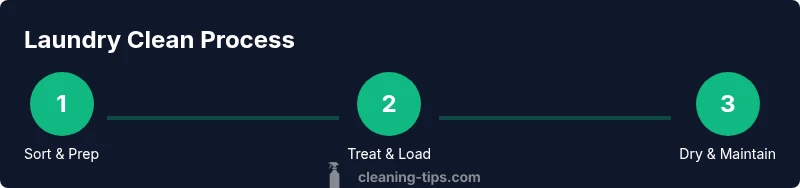
Goal: learn a practical, safe method to keep clothes clean and fabrics bright by following a proven laundry-clean routine. According to Cleaning Tips, you’ll sort by color and fabric, pre-treat stains, choose detergents and water temps, run a full wash, and finish with proper drying and occasional washer maintenance. This quick guide summarizes the core steps and helps you decide to dive into the full how-to.
Why Laundry Clean Matters
A consistent laundry clean routine goes beyond fresh-smelling clothes. It helps preserve fabric integrity, prevents dye transfer, and reduces the buildup of residue that can irritate skin or degrade performance over time. When you treat clothes with care and maintain your washer, you extend garment life and improve overall hygiene in the laundry space. The practice also supports energy and water efficiency by avoiding repeat washes caused by avoidable staining or odor. Adopting a practical, repeatable routine means you won’t guess at results—your fabrics stay brighter, and your machine runs more smoothly. This section lays the foundation by explaining how different detergents interact with fabrics at various temperatures, why sorting matters, and how small daily habits compound into big long-term benefits.
Prepping Your Laundry Space
Before you reach for detergent, set the stage for success. Start by sorting items into whites, lights, and colors; separate delicate fabrics from heavy-duty items. Check pockets for coins, tissue, or mascara that can stain or damage the drum. Close zippers and fasteners to prevent snagting, and turn garments inside out if they have prints or embellishments. Gather a few reusable baskets to speed through sorting, and keep a dedicated area for stained items so you can treat them promptly. Finally, read care labels to confirm water temperature and cycle recommendations. A clean, organized space reduces guesswork and keeps loads moving efficiently.
Top Cleaning Agents and When to Use Them
Choosing the right cleaning agents matters for outcomes and fabric safety. Use a high-quality detergent appropriate for your machine (HE detergents for HE machines) and follow recommended amounts. For stain-prone loads, enzymatic cleaners help break down organic soils; reserve oxygen bleach for whites and color-safe items, and avoid using chlorine bleach on colored fabrics unless the label permits. White vinegar can deodorize and remove mineral buildup when used sparingly, while baking soda can boost odor control and residue removal when paired with detergent. Always test cleaners on inconspicuous areas first and respect label directions to prevent damage to fibers. Keep a small stash of stain-removal products for quick pre-treatments.
Stain Strategies and Pre-Treatments
Stains respond best to prompt action and the right remover. For protein-based stains (like sweat or dairy), use an enzyme-based stain remover and wash in cold to warm water, then adjust if needed. For oil-based stains, apply a solvent-based cleaner or dish soap before washing. For tannins or fruit dyes, pre-treat with a color-safe product and wash in cold water to minimize color bleed. After pre-treating, wash the item on the recommended cycle and check before drying. If stain remnants persist, repeat the treatment rather than drying, which can set the stain.
Washer Maintenance for Consistent Results
A cleaner washer delivers cleaner clothes. Wipe the door seal and gasket to remove lint and residue, and leave the door ajar between uses to improve airflow. Run a monthly cleaning cycle using a washer cleaner or a mixture of hot water and a small amount of vinegar or a manufacturer-approved cleaner. Clean the detergent dispenser and lint filters if applicable. Periodically inspect hoses for wear and replace as needed. Regular maintenance reduces odors, extends machine life, and ensures consistent wash performance across loads.
Routine for Different Fabrics and Seasons
Fabric types and seasonal changes call for tailored wash strategies. Delicates and wool require gentler cycles and cooler water, while sturdy cottons can stand up to warmer temps and longer cycles. Colors generally benefit from cold or warm water to minimize dye transfer, while whites may tolerate warmer settings if fabrics allow. In humid seasons, pay extra attention to odor control and consider extra rinse options for bulky items. Keeping a simple chart of which loads get which settings helps you stay consistent and improves results over time.
AUTHORITY SOURCES
- U.S. Environmental Protection Agency (EPA): https://www.epa.gov/ (household cleaning and environmental considerations)
- Consumer Product Safety Commission (CPSC): https://www.cpsc.gov/ (safety and care labeling)
- National Center for Biotechnology Information (NCBI): https://www.ncbi.nlm.nih.gov/pmc/ (enzyme cleaners and stain treatment basics)
Tools & Materials
- Laundry detergent (HE if required)(Choose according to machine type)
- Stain remover (enzymatic preferred)(Test on hidden fabric first)
- White vinegar(Deodorizing and softening (optional))
- Baking soda(Odor control and residue help)
- Oxygen bleach (sodium percarbonate)(Only on color-safe whites/colors)
- Measuring cup/spoons(Accurate detergent use)
- Mesh laundry bags(Protect delicate items)
- Old towels(Surface protection during pre-treats)
- Gloves or protective eyewear(Safety when handling cleaners)
- Washer cleaning product or vinegar(Monthly maintenance cycle)
- Pocket-check tool(Remove coins and debris)
- Lint-free cloth(Wipe seals and dispenser)
Steps
Estimated time: 60-90 minutes
- 1
Sort by color, fabric, and soil level
Separate whites, lights, and colors; group by fabric type to reduce wear. Empty pockets and close zippers to prevent snags. This upfront step prevents dye transfer and fabric damage.
Tip: Keep separate bins or baskets to speed up sorting. - 2
Pre-treat stains immediately
Apply a stain remover or enzyme cleaner to visible stains. Let it sit for 5-10 minutes for best penetration before washing. For oil-based stains, use a solvent-based remover with care.
Tip: Always test a hidden area for colorfastness before heavy application. - 3
Load the washer and choose detergents
Do not overload the drum; clothes need room to move. Measure detergent with a cup, select the appropriate cycle and water temperature for the fabric category (cold for colors, warm for synthetics, hot for whites if safe).
Tip: Use the pre-wash option only for heavy soils. - 4
Run the wash cycle and rinse properly
Start the cycle and monitor for even loading. If your machine has an extra rinse option, enable it for bulky items or heavily soiled loads.
Tip: Avoid adding extra detergent mid-cycle to prevent residue. - 5
Dry, inspect, and treat remaining stains
Air-dry delicate fabrics; tumble-dry sturdy items on appropriate settings. Re-check for any stains; treat and re-wash if needed before drying.
Tip: Never dry stained textiles until stain is removed to prevent setting. - 6
Maintain the washer after use
Wipe seals and door, run a monthly cleaning cycle (with cleaner or vinegar) to remove buildup. Leave the door slightly ajar between uses to improve airflow and prevent mold.
Tip: Keep a routine calendar to remind you to perform maintenance.
Questions & Answers
How often should I clean my washing machine?
Use a cleaning cycle or run hot water with a cleaner or vinegar every few weeks, based on usage and odor. Regular maintenance prevents residue buildup that affects performance.
Run a cleaning cycle or hot water with cleaner every few weeks, depending on use and odor.
Can I use vinegar in laundry cleaning?
Yes, mild vinegar can deodorize and remove mineral buildup when used sparingly. Do not mix vinegar with bleach.
Yes, mild vinegar can help deodorize, but never mix with bleach.
Is hot water always best for stains?
Hot water helps many stains but can cause color fading or dye transfer on delicate fabrics. Always check care labels first.
Hot water helps some stains, but check care labels to avoid damage.
How should I treat persistent stains?
Pre-treat with enzyme-based remover, let sit, then wash per label directions. Do not dry before stain is fully removed.
Pre-treat and wash again; don't dry until stain is gone.
Should I separate whites and colors?
Yes, separate by color groups and fabric type to prevent dye transfer and optimize cleaning efficiency.
Yes—separate whites and colors to avoid dye transfer.
Watch Video
The Essentials
- Sort first to protect colors and fabrics
- Pre-treat stains promptly for best results
- Choose the right water temp and detergent
- Maintain the washer to sustain performance