When to Clean Chimney: A Practical Homeowner's Guide
Learn exactly when to clean chimney, how to audit creosote and obstructions, and build a practical maintenance plan for safe, efficient fires year-round.


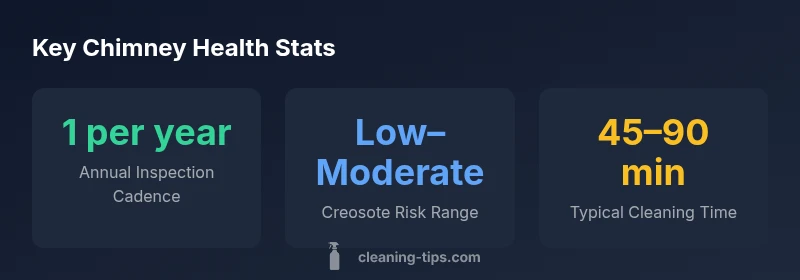
Typically, you should schedule a professional chimney inspection once per year, and arrange cleaning if creosote buildup or obstructions are detected. After a heavy burning season or in damp climates, increase the cadence. This approach reflects common guidance on when to clean chimney and maintain safe operation. Keep a log of observations, such as remaining ash levels and odd smoke behavior, to inform visits.
Why cadence matters for when to clean chimney
According to Cleaning Tips, understanding when to clean chimney is essential for home safety and efficient heating. Creosote buildup is a common source of chimney fires, while obstructions like leaves or bird nests can block flues and cause dangerous backdrafts. This section explains the key factors that determine the right cadence for cleaning and how to interpret signs that you should act now. A baseline cadence helps you align inspections with your fireplace usage and climate, reducing risk and improving performance. Regular maintenance also supports safer starts to heating seasons and better indoor air quality for occupants.
The cadence you choose should reflect actual use, the type of fuel you burn, your chimney design, and local weather patterns. Cleaning Tips analysis shows that homeowners who track usage and events—such as unusually windy months or dramatic temperature swings—tend to catch issues earlier. Keep a simple log and review it before each visit to stay proactive.
Establishing your baseline cadence
Most homes benefit from an annual professional chimney inspection as a baseline. This visit evaluates flue integrity, masonry condition, and creosote quantity, providing a reference point for future decisions. If you burn wood heavily, if your flue bears a metal liner, or if you notice a cool flue draft, you may consider scheduling additional check-ins during peak seasons. Climate matters too: damp, foggy, or rainy regions accelerate moisture-related damage and creosote deposition, which can justify more frequent attention. When creating a cadence, align it with your heating season timeline and the manufacturer’s recommendations for your specific appliance. A well-planned cadence reduces risk and keeps your system efficient.
Triggers that signal you should clean between inspections
Creosote is the primary hazard that prompts a cleaning outside the regular cadence. Visible glaze or shiny, tar-like drips on firebox doors, a persistent resinous smell, or smoke backing into the room are all strong indicators. Obstructions such as bird nests, leaves, or fallen creosote can also appear between visits and reduce draw. If you notice excessive creosote accumulation or restricted airflow, contact a qualified chimney sweep promptly. Between visits, a simple visual check from the fireplace can help catch early signs of trouble.
What happens during a professional cleaning
During a cleaning, a certified chimney sweep typically performs an initial assessment, removes creosote and debris, and may brush or vacuum the flue. A camera inspection can confirm flue health and identify hidden damage. After cleaning, the technician will clean the area, bag waste, and provide a brief report with recommendations. Do not attempt creosote removal yourself in most cases, as creosote is highly flammable and exposure can cause burns or inhalation hazards. Professional cleans help preserve venting efficiency and reduce fire risk.
Building a cleaning calendar for your home
A practical calendar balances your usage, climate, and safety concerns. Start with an annual inspection in the fall, then schedule cleaning if creosote or obstructions are detected. If you burn wood frequently in damp regions, consider semiannual visits. Record observations from weather notes, performance, and any drafts you notice. Use these inputs to adjust the cadence and ensure you’re not missing critical maintenance windows. A consistent routine makes it easier to prepare for seasonal heating and reduces the chance of last-minute emergencies.
Common myths about chimney cleaning debunked
Myth: Cleaning can be postponed as long as the fireplace isn’t used much. Fact: Creosote can accumulate with every burn, and even low usage requires periodic checks. Myth: A simple brush-out is all that’s needed. Fact: Most fires involve creosote deposits in the chimney liner that require a professional sweep and possibly a camera inspection. Myth: Gas fireplaces don’t need cleaning. Fact: Gas systems still vent through chimneys and can accumulate moisture or obstructions that impair performance. Debunking these myths helps homeowners create safer, more effective maintenance plans.
Maintenance beyond cleaning: moisture management and vent health
Beyond cleaning, moisture control is critical. Ensure flashing and masonry are intact to prevent water intrusion, which weakens brick and mortar and accelerates creosote buildup. Inspect the venting system for proper draft and seal joints to prevent backdrafts. A well-maintained damper and clean chimney crown contribute to efficient operation and safer use. Regular inspections help you catch small issues before they escalate into costly repairs or health risks.
Chimney maintenance cadence table
| Category | Recommended Interval | Notes |
|---|---|---|
| Annual Inspection | 1 per year | Baseline check for creosote accumulation and damage |
| Creosote Cleaning | As needed | Schedule after measurable buildup or after heavy use |
| Obstruction Check | Seasonally or after heavy use | Inspect for nests, leaves, or debris in the flue |
Questions & Answers
How often should I have a professional chimney inspection?
Most homes benefit from a yearly professional inspection to assess flue integrity, creosote levels, and obstructions. If you burn wood heavily or have a complex system, you may need more frequent checks.
Most homes should get a yearly professional chimney inspection, with more frequent checks if you burn a lot of wood or have a complex system.
What signs indicate it's time to schedule a cleaning?
Look for glaze-like creosote on the firebox, a persistent chimney odor, smoke drafts, or reduced drawing in the flue. Any of these signals warrants a cleaning or closer inspection.
If you notice creosote buildup, odors, or smoke drafts, schedule a cleaning or inspection.
Can I clean a chimney by myself?
Chimney cleaning can be hazardous due to creosote and fall risks. A certified chimney sweep is recommended for safe removal and to check for hidden damage.
DIY cleaning is risky; it’s best to hire a certified chimney sweep.
Does climate affect cleaning frequency?
Yes. Humid or rainy climates promote moisture and creosote buildup, which can require more frequent checks. Warmer, dry stretches may allow longer intervals between visits.
Climate affects how often you should check the chimney.
What should I ask a chimney sweep during a visit?
Ask about creosote buildup, flue condition, recommended maintenance cadence, and request a written report. Inquire about any structural issues and potential moisture problems.
Ask about creosote, flue health, and your maintenance schedule.
“Regular chimney maintenance is not optional—it's a safety essential. Proper scheduling reduces creosote buildup and helps prevent dangerous chimney fires.”
The Essentials
- Schedule an annual professional chimney inspection.
- Clean when creosote buildup or obstructions are detected.
- Increase cadence in damp climates or after heavy use.
- Keep a maintenance log of observations and burn patterns.
- Ask a qualified sweep about your system-specific cadence.