Do You Need to Clean a Gas Fireplace Chimney? A Practical How-To
Discover whether gas fireplace chimneys require cleaning, how to inspect vents safely, and when to call a pro. A thorough, step-by-step guide from Cleaning Tips.


Do you need to clean a gas fireplace chimney? In most homes, the vent for a gas fireplace does not require routine cleaning the way a wood fireplace does. However, you should schedule annual professional inspections and only rely on a licensed chimney sweep for any cleaning if you notice odor, unusual smoke, poor venting, or visible soot. Regular maintenance improves safety and performance.
Understanding gas fireplace venting basics
Gas fireplaces rely on venting to safely exhaust combustion byproducts while drawing in fresh air. The question do you need to clean a gas fireplace chimney? In most homes, the venting system—whether direct-vent, B-vent, or a power-vent—does not require aggressive cleaning the way a wood-burning chimney does. Still, a clean, well-maintained vent is essential for safe operation and efficient heating. According to Cleaning Tips, regular professional checks are advised for gas venting, even when DIY cleaning is limited. Regular inspections help identify blockages, moisture issues, or damaged components before they cause problems. An unsafe vent can lead to backdraft, carbon monoxide risks, and reduced efficiency. The goal is not to scrub the interior of sealed gas vents but to ensure the path from the fireplace to the outdoors remains clear and properly sealed. The chimney and vent system are part of the appliance’s safety ecosystem, and neglect can undermine performance, safety, and warranty coverage.
Remember that many gas fireplaces are designed to be low-maintenance compared to wood-burning systems, but that does not mean they are maintenance-free. A professional sweep can confirm the integrity of seals, joints, and access points, and recommend follow-up steps. In this guide, you will learn how to assess venting condition, what to inspect from the exterior, and when to call a pro for a thorough interior cleaning or service.
Venting types and cleaning implications
Gas fireplaces come in several venting configurations, and the cleaning approach varies by design. Direct-vent units pull combustion air from outside and vent exhaust directly outdoors, typically through a sealed chimney or flue. B-vent systems exhaust through a conventional chimney and rely on proper ply and insulation to maintain safe draft. Power-vent models use an electric fan to assist exhaust, which can reduce the amount of buildup but still requires periodic checkups. Because these systems are mostly sealed and operate with gas rather than solid fuel, you typically won’t accumulate creosote like wood-fired chimneys. However, soot, moisture intrusion, bird nests, or insect debris can still block the vent path and impair performance or safety. The Cleaning Tips team notes that even with reduced soot risk, vent maintenance remains essential to ensure proper drafting and safe operation. If the vent becomes blocked or corroded, backdrafts and increased carbon monoxide risk can occur, so professional assessment is advised when issues arise.
When homeowners ask whether a DIY interior clean is appropriate, the answer is generally no for the interior flue and vent passages. Exterior checks and cap cleaning can be done safely by the homeowner in many cases, but interior cleaning or any work on the gas line should be left to a licensed professional to protect your family’s safety and preserve warranty terms.
When to clean or inspect
Knowing when to act is the cornerstone of safe gas vent maintenance. If you notice any of the following symptoms, schedule an inspection promptly: a faint gas smell around the unit, condensation or moisture on walls near the fireplace, reduced flame color indicating incomplete combustion, or visible soot around the vent outlet. Odd odors or backdrafts are red flags that the vent path may be compromised. Regular annual inspections are recommended to verify vent integrity, seal conditions, and to confirm that CO detectors remain responsive. Even if you do not see obvious issues, small gaps or corrosion can worsen over time, so a proactive check can prevent more costly repairs later. As Cleaning Tips analysis shows, routine professional inspections dramatically improve venting safety and system performance. The goal is to identify issues early and keep your gas fireplace operating cleanly and safely.
DIY safety: exterior checks you can do safely
Homeowners can perform exterior checks without disassembling the unit or touching gas fittings. Start by inspecting the exterior vent cap for debris, bird nests, or corrosion. Remove loose leaves or pine needles with gloved hands or a stick, never using metal tools near wiring or fittings. Inspect the vent opening for any visible gaps or damage to the cap and surrounding masonry. If you observe significant corrosion, cracks, or loose mounting, contact a professional. Always ensure the service area is ventilated and the gas supply is confirmed off if you’re near the gas line or access panels. Exterior checks help you spot obvious blockages and wear before they cause venting problems. For safety, never attempt to remove interior components, sealants, or gas fittings without professional guidance. exterior checks should form part of your routine home maintenance plan.
What professionals do during a gas vent cleaning
A licensed chimney sweep or HVAC technician brings specialized training to gas vent maintenance. They begin with a thorough inspection of the vent path, looking for obstructions, moisture intrusion, and damaged seals. The pros may use cameras, specialized sensors, and tailored brushes to clean the interior passages if accessible and safe to do so. They verify proper draft, test carbon monoxide safety, and update you with a written report detailing findings and recommended follow-up steps. Because gas vent systems are designed for reliability and safety, interior cleaning is typically warranted only when there is confirmed buildup or obstruction. The Cleaning Tips team emphasizes the importance of relying on professionals for interior work to maintain safety, avoid warranty issues, and ensure optimal performance.
Tools, materials, and prep for a home check
Before you start any vent inspection, gather the essential tools and materials to evaluate exterior access and basic safety. You will need a sturdy ladder, a flashlight, gloves, a dust mask or respirator, and a small brush for exterior cap debris. A vacuum with a HEPA filter helps collect dust near the opening after exterior checks. If you plan any interior assessment, you should have a professional on call, as interior vent cleaning requires technical expertise and may involve gas line work. Keep a log of exterior issues and photos for your technician. This preparation reduces service time and helps the pro perform a more thorough evaluation. Importantly, interior work should not be performed by homeowners. Cleaning Tips analysis shows that proper preparation and professional service lead to safer, more effective maintenance.
Safety considerations: CO detectors and gas safety
Safety is the top priority when maintaining gas appliances. Install and routinely test CO detectors on every floor, and replace batteries according to manufacturer recommendations. Ensure detectors are within the recommended distance from the fireplace to catch any potential off-gassing. If you smell gas, hear hissing, or notice a strong odor near the appliance, evacuate and call your gas supplier or emergency services immediately. Never attempt to modify gas lines, seals, or fittings yourself. Regular vent maintenance supports safe operation and helps you avoid hazardous conditions. The guidance from Cleaning Tips reinforces: avoid DIY interior vent cleaning unless you are trained, and rely on certified professionals for any deeper work.
Maintenance schedule and mistakes to avoid
Create a simple maintenance rhythm that fits your home. Schedule a yearly professional inspection for gas vent integrity and performance, and perform exterior checks quarterly, especially after storms or heavy winds. Common mistakes include attempting interior cleaning without training, ignoring noticeable vent issues, and delaying professional service after noticing odors or backdrafts. To stay proactive, keep CO detectors active and have the vent system evaluated whenever you remodel or change the fireplace. The goal is consistent, safe operation and preserving the warranty terms that come with your gas fireplace. Cleaning Tips stresses that prevention and regular professional checks are more effective than sporadic DIY interventions.
How to talk to a pro and plan next steps
When you contact a pro, clearly describe the vent type (direct-vent, B-vent, or power-vent), any symptoms you observed, and the model of your gas fireplace. Share notes and photos from exterior checks to help the technician prepare. Ask for a comprehensive inspection report and a written maintenance plan, including any parts that require replacement. If the technician recommends interior cleaning, ensure you understand the scope, safety implications, and warranty considerations. Keeping records of service visits helps you track maintenance over time and supports future warranty claims.
Tools & Materials
- Chimney vent brush (gas vent brush)(Sized for your vent type)
- Extension rods(Interlock to reach flue)
- HEPA vacuum or shop vacuum(To collect dust and soot)
- Dust mask or respirator(N95 or higher)
- Safety goggles(Protect eyes from debris)
- Ladder or stable stepping stool(For exterior access)
- Flashlight(Inspect dark corners)
- Bucket of water and towels(Cleanup and spills)
- Screwdriver set(If you need to remove debris from cap)
Steps
Estimated time: 1-2 hours
- 1
Identify vent type
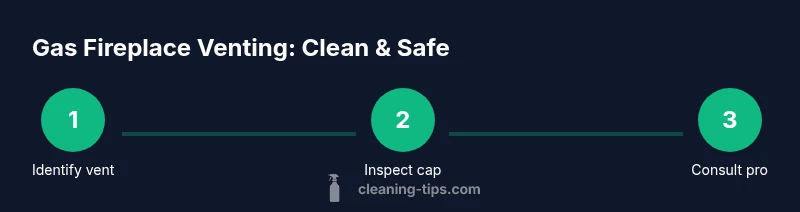
Identify vent type (direct-vent, B-vent, or power-vent) and locate the shut-off valve and gas supply. Confirm the area is safe before beginning any inspection. If you cannot identify the vent type, pause and call a professional.
Tip: Document vent type with a quick photo for the pro. - 2
Secure exterior area
Clear the exterior vent cap and surrounding area of leaves, debris, and nests. Wear gloves and ensure you have a stable stance on the ground or a ladder. Do not lean directly over the vent opening.
Tip: Keep a clear escape route in case of sudden gusts. - 3
Inspect exterior vent cap
Visually inspect the cap for corrosion, gaps, or damage that could cause leaks or pests to enter. Clean off surface debris with a damp cloth without disassembling the cap. Note any damage to report to a pro.
Tip: Avoid using metal tools that could scratch the cap. - 4
Check for obstructions
Look for nests, bird carcasses, or heavy debris blocking the vent path. Do not attempt to remove animal material from interior passages yourself. Use a flashlight and mirror if needed to inspect from exterior access points.
Tip: If you see an animal, call a professional to remove it safely. - 5
Assess interior access points
If your model allows interior access via an access panel, inspect for obvious soot, moisture, or staining around joints. Do not dismantle gas components. Prioritize safety and call a pro if unsure.
Tip: Never loosen gas fittings; this is a job for a licensed pro. - 6
Decide on DIY vs professional
Based on your findings, decide whether a simple exterior cleaning or professional service is needed. DIY exterior cleaning can be done with caution, but interior flue cleaning should be left to professionals.
Tip: When in doubt, choose safety—professional service is safer. - 7
Schedule professional service
If there are signs of backdraft, odor, or heavy soot, schedule a professional inspection and cleaning. A pro will perform a thorough vent inspection, test CO safety, and provide maintenance recommendations.
Tip: Ask for a written report and maintenance plan. - 8
Prepare for cleanup
Before finishing, store tools, secure the area, and test CO detectors after the service. Document any changes and adjust usage accordingly until the next professional visit.
Tip: Test CO detectors weekly for the first month after service.
Questions & Answers
Do gas fireplaces require annual chimney cleaning?
Gas fireplaces typically don’t require yearly chimney cleaning, but annual professional inspections are recommended. If you notice venting issues, odors, or soot, consult a certified chimney sweep.
Gas vents usually don’t require yearly cleaning, but you should get an annual professional inspection.
Can I clean the vent myself?
We generally do not recommend DIY interior vent cleaning for gas vents due to CO risk and improper tools. Exterior vent cleaning and blockage checks can be done safely with caution.
Interior vent cleaning should be left to professionals; exterior checks are safer for DIY.
What signs indicate I need a chimney sweep?
Odors, poor venting, excessive condensation, or visible soot around the vent indicate issues that warrant a professional inspection.
Look for smells, backdrafts, or soot near the vent.
Are direct-vent and natural-vent chimneys different?
Direct-vent systems draw outside air and vent separately, while natural-vent relies on building pressure. Cleaning needs vary, but both require periodic checks.
Direct-vent vs natural-vent differ in design and inspection needs.
Does cleaning void the warranty?
Check the manufacturer guidelines; improper DIY maintenance can affect a warranty in some cases.
Consult the manual; some DIY steps can affect warranty.
What does a pro sweep involve?
A professional inspects venting, checks for obstructions, cleans as needed, and provides safety recommendations.
They inspect, clean if needed, and test safety.
The Essentials
- Gas venting often requires less cleaning than wood chimneys, but regular checks are essential.
- Exterior vent inspection can prevent blockages that cause backdrafts or odors.
- Leave interior flue cleaning to licensed professionals for safety and warranty reasons.
- Schedule annual professional inspections to maintain safe operation.