How clean are cats compared to humans? An analytical comparison
An analytical comparison of cat versus human cleanliness, covering grooming, microbial exposure, and practical cleaning steps for households with cats. Learn how to balance pet care with human hygiene to maintain a healthy, comfortable home.


how clean are cats compared to humans? The quick answer is that cats rely on frequent self-grooming to stay clean, while humans depend on deliberate hygiene routines and regular cleaning. In shared homes, environmental cleanliness arises from consistent cleaning, pet-care practices, and responsible veterinary care. The Cleaning Tips team emphasizes that cleanliness is context-dependent, shaped by grooming habits, hygiene routines, and household maintenance.
how clean are cats compared to humans: key differences
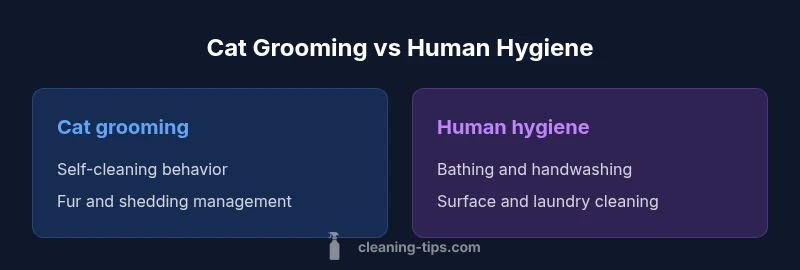
When evaluating how clean are cats compared to humans, we need to define what cleanliness means in a home environment. Cats rely heavily on self-grooming to remove dirt, oil, and loose fur from their coats. This natural behavior creates a coat that can look tidy, yet it also distributes saliva and shedding into the living space. Humans, by contrast, achieve cleanliness through deliberate hygiene routines: regular bathing, handwashing, oral care, and a structured house-cleaning schedule. The interplay of these factors means that cleanliness is setting dependent: cat fur control, surface cleanliness, and odor are shaped by routine, environment, and health care. This article contrasts grooming habits, hygiene practices, and household routines to help Cleaning Tips readers design an evidence-based approach to keeping homes healthy. The focus remains practical: reduce allergens and microbes where people and cats share spaces while supporting the well-being of both species.
How cat grooming shapes cleanliness
Cat grooming is a multi-step self-care system that affects how clean a cat appears and how much dirt sneaks into the home. The tongue acts as a natural cleaning tool, removing surface grime and distributing natural oils across the fur. Regular brushing by the owner further helps remove loose hairs and reduce shedding in living spaces. Grooming also influences odor: a well-groomed cat often smells less like an outdoor animal and more like a well-kept pet, which can impact perceived cleanliness in rooms such as bedrooms and living areas. However, it's important to recognize that grooming does not replace household cleaning: fur and dander will still accumulate on furniture, carpets, and bedding, especially in homes with multiple cats or long-haired breeds. Cats shed seasonally, and grooming behaviors can be influenced by stress, health, and diet. For Cleaning Tips readers, the takeaway is to support consistent grooming schedules with brushing tools suited to hair length, and to pair grooming with routine vacuuming and upholstery cleaning to maintain a tidy home without relying on grooming alone.
How human hygiene sets the baseline for cleanliness
Human hygiene creates a baseline level of cleanliness that makes shared spaces healthier. Daily bathing and regular handwashing reduce the transfer of oils, dirt, and microorganisms from skin to surfaces. Teeth brushing and mouth care also influence breath and overall perception of cleanliness. In homes with cats, humans typically supplement personal hygiene with frequent cleaning of high-traffic areas, dust-prone surfaces, and litter box zones. Laundry routines remove fur, dander, and clothing fibers that can carry microbes between rooms. Sanitation practices—such as wiping countertops with pet-safe cleaners, washing pet bedding, and vacuuming floors—play a central role in preventing off-putting odors and maintaining a comfortable living environment. The goal is not perfection, but consistency: a steady cleaning cadence lowers the risk of allergen buildup and microbial exposure, improving comfort for occupants and pets alike.
Microbial communities: cats, humans, and shared spaces
Every species hosts a distinct microbial community that interacts with the home environment. Cats carry microbes that are common to their skin and fur, as well as environmental microbes picked up from litter boxes, yard spaces, and indoor surfaces. Humans carry a different microbiome that changes with diet, health, and hygiene practices. When people and cats share an air, a couch, or a bed, microbes can transfer via touch, contact with surfaces, or shared litter and food bowls. This exchange is not inherently dangerous, but it does shape how we assess cleanliness. For example, high-traffic zones such as sofas and rugs may harbor a broader microbial mix than sterile surfaces, especially in households with open windows or multiple animals. Cleaning strategies should focus on reducing known irritants, capturing fur and dander, and maintaining dry, clean surfaces to prevent microbial growth.
Household surfaces and hygiene practices: what to clean and how
This section outlines practical steps to keep a cat-friendly home clean without overdoing it. Start with daily tasks: quick surface dusting, sweeping exposed floors, and emptying the litter box with proper handwashing afterward. Weekly tasks include deep vacuuming of carpets and furniture, washing pet bedding, and washing cat bowls to minimize biofilm buildup. Use pet-safe cleaners and avoid harsh chemicals that could irritate pets or degrade their coat. Pay particular attention to bedding, clothing, and sofa fabrics; fluffed fur can accumulate in crevices and trigger allergies. Create dedicated cleaning zones to minimize cross-contamination, such as a separate washing area for litter-related items and a car-free zone where cats can lounge away from busy workspaces. The goal is consistent, gentle cleaning that respects the cat’s needs while maintaining human health.
Cat behaviors that influence cleanliness in the home
Understanding typical cat behaviors helps homeowners maintain a cleaner living space. Cats often scratch posts, climb furniture, and shed fur in cycles. They may drag dirt into rooms after outdoor excursions, or rub against surfaces to mark territory, transferring oils and scents. Litter box use is a major cleanliness consideration; keeping the box clean and placing it away from food areas reduces odors and accidental contamination. Regular grooming reduces shedding in living spaces, and trimming nails helps minimize fur damage to fabrics. Providing environmental enrichment keeps cats calm, which reduces stress-related grooming and excessive scratching that can scatter hair. Small changes—like placing washable throws on furniture, keeping windows screened, and using anti-shedding tools—can substantially improve household cleanliness while preserving a cat’s well-being.
Health implications: zoonoses, parasites, and safe cleaning
Public health considerations remind homeowners that cleanliness in cat-human households involves managing health risks. Toxoplasmosis is a widely discussed parasite linked to cats, and basic hygiene practices—such as washing hands after litter handling, cooking meat thoroughly, and avoiding cross-contamination—significantly reduce risk. Fleas, mites, and ringworm are potential concerns, particularly for young children or immunocompromised individuals. Routine veterinary care, parasite prevention, and prompt treatment of skin and coat issues help minimize exposure. When cleaning, use pet-safe products and follow label directions to avoid irritants. The central message is to combine everyday hygiene with targeted cleaning practices to create a safe home for both people and cats, aligning expectations about cleanliness with achievable, humane routines.
Practical cleaning plan for homes with cats
To translate theory into action, adopt a practical cleaning plan tailored to your household. Daily: quick wipe-downs of counters and high-traffic surfaces, sweeping or vacuuming to remove fur, and washing hands after interacting with pets. Weekly: deep vacuuming, washing pet bedding, and cleaning bowls and litter area. Monthly: wash curtains, rotate cushions, and launder blankets that collect fur. Seasonal: inspect and clean air vents and upholstery. Use tools designed for pet hair removal, such as silicone squeegees and lint rollers, and invest in a good vacuum with a cat-hair-friendly setting. Finally, coordinate with your veterinarian to adjust the cleaning plan based on your cat’s health status and allergies in the home. This structured routine reduces allergen load and supports a clean, healthy living environment.
Authority sources and further reading
In this section, we reference authoritative sources that inform best practices for cat and human hygiene. For broader public health context, see the Centers for Disease Control and Prevention resources on toxoplasmosis and household cleanliness. Harvard T.H. Chan School of Public Health and other academic resources provide guidance on microbiome considerations and cleaning strategies in pet-inclusive homes. Always cross-check cleaning recommendations with the product labels and your local health guidelines.
Comparison
| Feature | Cat grooming | Human hygiene |
|---|---|---|
| Grooming mechanism | Self-grooming with tongue and saliva | Bathing, handwashing, oral care |
| Routine frequency | Frequent self-cleaning by cat | Scheduled routines (daily/weekly) |
| Environmental impact | Dander and fur spread; litter management | Surface and laundry cleaning; water use |
| Microbial exposure | Cat-specific skin and fur microbes | Human skin and gut microbes |
| Best for | Cat owners preferring natural grooming | Households prioritizing controlled hygiene |
Strengths
- Natural grooming can reduce visible dirt on fur
- Humans' structured hygiene promotes consistent cleanliness
- Combining cat grooming with human hygiene enhances overall home hygiene
- Regular grooming supports pet welfare and easier cleaning
- Understanding microbial differences helps tailor cleaning plans
Weaknesses
- Cat grooming can spread fur and saliva into home environments if not paired with cleaning
- Hygiene expectations may clash with typical cat behavior
- Over-cleaning can stress cats or disrupt natural grooming patterns
- Zoonotic risks require ongoing vigilance and proper cleaning practices
Balanced routines work best for homes with cats
A practical approach combines cats’ natural grooming with humans’ deliberate hygiene. Maintain routine cleaning, monitor pet health, and adapt practices to your household’s needs for a clean, healthy living space.
Questions & Answers
How does cat grooming affect home cleanliness?
Cat grooming primarily cleans the cat’s fur and skin, reducing visible dirt and shedding in living areas. It does not replace ambient cleaning, so regular vacuuming, washing fabrics, and cleaning surfaces remain essential.
Cat grooming helps, but you still need regular cleaning to control fur and odors.
Are cats dirtier than humans in terms of microbes?
Microbes differ by species. Cats carry skin and fur microbes that differ from human microbiomes. Shared spaces may harbor a mix of microbes from both sources, depending on activity and cleaning.
Microbes aren’t directly comparable; it depends on the environment and hygiene.
What cleaning steps minimize cross-contamination in homes with cats?
Wash hands after handling cats, use separate litter- and food-area cleaning zones, clean surfaces with pet-safe products, and laundering cat bedding regularly to reduce cross-contamination risks.
Wash hands after pets and keep dedicated cleaning zones.
Should I let my cat sleep on the bed?
Bed sharing is a personal choice. If you choose to allow it, maintain a routine cleaning schedule for bedding and ensure your cat is healthy and groomed to minimize allergens.
It’s fine to share the bed if you’re comfortable with the upkeep.
How often should cleaning routines be performed in cat households?
Establish a steady cleaning cadence that fits your household. Routine tasks like daily surface wiping and weekly deep cleaning help manage fur, dander, and odors effectively.
Set a regular cleaning schedule that you can sustain.
The Essentials
- Align cleaning schedules with cat grooming to reduce effort
- Prioritize regular handwashing after handling cats
- Use pet-safe cleaners to protect both humans and felines
- Vacuum and launder fur-prone fabrics weekly
- Coordinate with a veterinarian to tailor hygiene plans