AC Clean Service: Your Comprehensive How-To Guide
A practical guide to AC clean service: how to hire, prepare for visits, and maintain your HVAC for better air quality and efficiency. Step-by-step guidance, checklists, and safety tips.


Learn how to hire effectively, prepare for visits, and evaluate an AC clean service. This quick guide covers scope, safety, typical steps, and how to compare quotes to get a thorough, safe cleaning.
Why Regular AC Cleaning Matters
Regular AC cleaning matters because it directly affects indoor air quality, energy efficiency, and system longevity. According to Cleaning Tips, professional AC cleaning helps remove dust, mold, and debris that can clog coils, ducts, and condensate lines. The goal of an ac clean service is to restore proper airflow, reduce allergens, and minimize the risk of breakdowns. When homeowners prioritize cleaning, they often notice quieter operation, steadier temperatures, and fewer seasonal surges in energy use. This article explains why timely cleaning is a smart, proactive step for any home. We'll cover what to expect from a service, how to prepare, and how to evaluate providers to ensure you get a safe, thorough cleaning. The Cleaning Tips team found that a well-planned AC cleaning routine can improve overall comfort and help HVAC systems last longer while maintaining healthier indoor air quality.
Top Features to Look for in an AC Cleaning Service
Modern AC cleaning services offer a range of features that protect your investment and your health. When evaluating providers, look for:
- Certified technicians with up-to-date licensing and safety training
- Comprehensive scope that includes ducts, evaporator coils, condensate drains, and the outdoor condenser as needed
- Pro-grade tools such as HEPA vacuums, coil brushes, and non-abrasive cleaning solutions
- EPA-approved cleaners and PPE for technicians to minimize chemical exposure
- Clear, written quotes and a transparent warranty or service guarantee
- Safety practices like lockout/tagout procedures and post-cleaning checks
- Documentation of work, including before/after photos or videos for your records
According to Cleaning Tips, a thorough AC clean service often results in improved airflow, reduced allergen levels, and better energy efficiency. This means a more comfortable home and a longer life for your HVAC system. When you compare providers, prioritize those who clearly describe the cleaning scope and safety measures, rather than just quoting a low price.
How to Prepare Your Home for an AC Cleaning Visit
Preparation sets the stage for a smooth service visit. Start by removing clutter and ensuring clear access to indoor air handler units and outdoor condensers. Notify household members about the visit so doors and windows can stay reasonably closed during cleaning, minimizing dust redistribution. Turn off the HVAC system at the breaker before the technicians arrive, and consider covering valuables or electronics that sit near work areas. If you have pets, arrange care to minimize stress for animals and technicians. Finally, confirm the appointment time and provide a contact method in case the team needs to reach you for access or safety notes.
What an AC Cleaning Service Typically Does
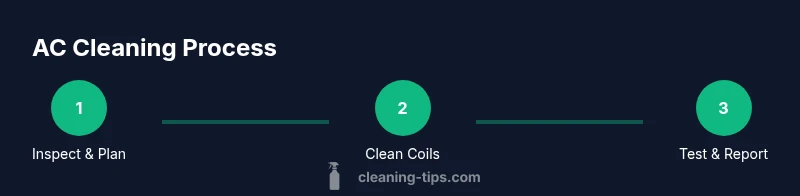
A reputable AC cleaning service follows a structured process to remove dust, mold, and buildup while minimizing risk to the system. Typical steps include:
- Initial visual inspection and safety assessment
- Power shutoff and lockout/tagout if required
- Access panel removal and debris vacuuming from ducts and plenums
- Evaporator coil cleaning and inspection for signs of mold or corrosion
- Condensate drain cleaning and pan inspection to prevent overflows
- Filter inspection or replacement as appropriate
- Outdoor coil and fan cleaning if needed for airflow and heat transfer
- Reassembly, test run, and performance check
- Cleanup and documentation of work performed
Note that the exact scope can vary by system type and home layout. Always request a written scope and after-visit report. Based on Cleaning Tips analysis, homeowners who document before/after results report higher satisfaction and better continuity of care when rechecking post-clean.
How to Compare Quotes and Choose the Right Provider
Choosing the right AC cleaning service means more than chasing the lowest price. Start by requesting a written scope that covers all tasks and replacements. Compare the inclusions, any recommended additional services (like duct seal or UV-C light installation), and the warranties offered. Verify credentials, including licensed HVAC technicians and insurance coverage, and read recent reviews to gauge consistency and responsiveness. Ask about the type of cleaners used, whether outdoor units will be cleaned, and whether post-cleaning documentation will be provided. Finally, confirm turnaround time, availability, and whether the service includes a post-cleaning check or follow-up visit if issues arise. The Cleaning Tips team recommends looking for a provider with a balanced mix of clear scope, solid credentials, and transparent pricing.
Common Mistakes and How to Avoid Them
Avoid common missteps that can lead to unsatisfactory outcomes. Don’t hire based on price alone; instead, compare scope and credentials. Be wary of contractors who skip conducting a safety shutdown or who avoid documenting the work. Never mix home cleaners with HVAC chemicals, and ensure the technician uses non-abrasive tools that won’t damage coils. Ask for safety data sheets (SDS) for any cleaners used and request a written warranty. Finally, avoid postponing maintenance; scheduling a bid now helps prevent dust buildup and potential allergen exposure in the future.
Aftercare and Maintenance
After the AC cleaning visit, the ongoing maintenance is where most homeowners see lasting benefits. Replace filters on the recommended schedule, inspect the outdoor unit clearance around the coils, and keep duct access panels clean. Schedule a follow-up check as part of your annual maintenance plan and note any changes in airflow or room comfort. Maintaining good filter hygiene, keeping registers unobstructed, and addressing moisture or mold issues promptly will extend the life of your system and preserve air quality for your family.
Safety Considerations and Compliance
Safety and compliance are essential for any AC cleaning service. Ensure technicians follow lockout/tagout procedures and wear appropriate PPE (gloves, eye protection, and respirators when required). Verify that cleaners used are appropriate for HVAC components and won’t corrode coils or plastics. Never allow work that violates electrical codes or refrigerant safety guidelines. If you have any concerns about chemical exposure or outdoor emissions, ask your technician to describe the products used and provide a brief safety overview.
Tools & Materials
- HEPA vacuum with attachments(Essential for duct and coil debris removal)
- Coil cleaning brushes (non-abrasive)(Used on evaporator and condensation coils)
- Microfiber cloths(For wiping surfaces and duct components)
- Safety goggles(Eye protection during cleaning)
- Gloves (nitrile or latex)(Hand protection and hygiene)
- Ladder or stable step stool(Access to high or outdoor components)
- Screwdrivers set(Panel access and fastener removal)
- Replacement filters(On-site filter swap when advised)
- Non-corrosive cleaning solution(HVAC-safe cleaners)
- Drop cloths or plastic sheeting(Protect floors and valuables)
- Flashlight or headlamp(Improve visibility in tight spaces)
Steps
Estimated time: 2-4 hours
- 1
Define scope and schedule
Clarify the planned cleaning tasks, whether ducts, coils, and drains are included, and set a realistic appointment time. Document expectations in writing to prevent scope creep.
Tip: Ask for a written scope and warranty before work begins. - 2
Prepare access and inform residents
Clear paths to indoor air handlers and outdoor units; inform household members about access needs and safety rules during the visit.
Tip: Remove personal items near work areas to prevent accidental damage. - 3
Power down and secure area
Turn off the HVAC at the breaker and secure any pets or sensitive electronics. This reduces shock risk and dust exposure.
Tip: If you have smart thermostats, set a temporary manual mode to avoid interruptions. - 4
Inspect system and safety plan
Technician performs a quick safety check, confirms equipment status, and reviews the cleaning plan with you.
Tip: Ask for a brief safety outline and expected outcomes. - 5
Access panels and initial vacuum
Remove panels and perform a baseline vacuum to remove loose dust from accessible ducts and plenums.
Tip: Ensure the vacuum is HEPA-filtered to minimize dispersion. - 6
Coil cleaning and condensate drain
Clean evaporator coils gently with non-abrasive brushes; inspect and flush the condensate drain to prevent clogs.
Tip: Do not use high-pressure water on sensitive coil surfaces. - 7
Filter check or replacement
Inspect existing filters; replace if recommended or if they show significant wear or contamination.
Tip: Ask for a new filter that matches your system’s MERV rating. - 8
Outdoor unit care
If included, clean outdoor coils and clear debris near the condenser to restore airflow.
Tip: Keep nearby vegetation trimmed to maintain airflow. - 9
Reassemble and test run
Reattach panels, power on the system, and run a test to verify airflow and temperature balance.
Tip: Note any unusual noises or leaks and report them immediately. - 10
Documentation and maintenance plan
Receive a written summary of work performed, results, and recommended future maintenance.
Tip: Schedule next cleaning or inspection as part of your maintenance plan.
Questions & Answers
Do I really need an AC cleaning service?
Not always, but consider cleaning if you notice reduced airflow, unusual odors, or higher energy bills. A professional can identify mold growth, duct buildup, or coil inefficiency that DIY methods may miss.
Not always, but if you notice poor airflow, odd smells, or higher bills, a professional evaluation is wise.
How often should I schedule AC cleaning?
Schedule based on usage and environment. For many homes, a professional cleaning every 1-3 years provides a good balance of cost and benefit.
Most homes do it every couple of years, depending on use and environment.
What credentials should I verify?
Verify licensed HVAC technicians, insured contractors, and company references. Ask for a written scope and warranty details.
Check license, insurance, and a written warranty before work starts.
What is included in a typical AC cleaning?
Duct access and vacuuming, coil cleaning, condensate drain inspection, filter evaluation or replacement, and system testing.
Most services clean ducts, coils, and drains, replace filters, and test the system.
Can I do any cleaning myself?
Basic maintenance (like changing filters and keeping outdoor areas clear) is fine, but duct cleaning and coil cleaning should be done by professionals.
Some basic upkeep you can do, but leave ducts and coils to pros.
What questions should I ask before hiring?
Ask about scope, safety protocols, cleaning products, warranties, and post-cleaning documentation. Also discuss scheduling and expected outcomes.
Ask about scope, safety, products, warranties, and after-work reports.
Watch Video
The Essentials
- Define the service scope before booking AC cleaning.
- Verify credentials and insurance for reliability.
- Expect cleaning of ducts, coils, and drains with proper tools.
- Compare quotes based on scope, warranties, and post-clean reports.
- Maintain air quality with regular follow-up maintenance.