How to Clean an AC Vent: A Practical Guide
Learn how to clean an AC vent safely with a practical, step-by-step guide. Improve airflow, reduce dust, and boost indoor air quality for a healthier home.


Cleaning an AC vent is a practical, DIY task that improves air quality, airflow, and system efficiency. This guide covers safe prep, tools, step-by-step cleaning of vent covers, and simple maintenance to keep vents dust-free. You’ll learn techniques suitable for most standard home systems and tips to minimize moisture and mold risk. clean ac vent
Why Cleaning Your AC Vents Matters
According to Cleaning Tips, regular vent cleaning supports better indoor air quality, reduces dust circulating in living spaces, and helps your HVAC system run more efficiently. When vents accumulate dust, lint, and even mold spores, airflow can slow and energy usage can rise as the system works harder to move air. In homes with pets or people who suffer from allergies or asthma, clean vents can measurably reduce irritants in the air you breathe. By taking a proactive approach to vent maintenance, you create a healthier environment for your family and extend the life of your HVAC components. This section outlines why routine cleaning matters and how it fits into a broader cleaning plan for a healthier home.
In this guide, you’ll see practical steps, common mistakes to avoid, and safety reminders from the Cleaning Tips team to help you stay efficient and safe.
Common Contaminants Found in AC Vents and Why They Matter
Vent collections aren’t just dust. Over time, vents can accumulate pet hair, pollen, mold spores, and grease from cooking—especially in kitchens adjacent to living spaces. These contaminants can recirculate every time the system turns on, aggravating allergies and contributing to musty odors. Mold growth may occur where moisture accumulates in damp ducts or poorly sealed joints. Understanding what tends to gather in vents helps you tailor cleaning to your home’s needs. This section lays out typical culprits and the impact they have on air quality, odor, and system performance.
If you notice persistent odors, coughing, or allergy symptoms, consider a deeper assessment of the ductwork by a professional, especially if moisture or mold is present. Cleaning Tips recommends starting with accessible vent covers and surfaces, then evaluating the broader system.
Tools, Safety Gear, and Prep: Setting Up for Safe Cleaning
Before you touch any vent components, gather the right tools and safety gear to minimize exposure to dust and contaminants. A clean workspace and proper PPE protect your hands, eyes, and lungs. Start by turning off power to the HVAC unit to prevent sudden movements or injuries. Lay out towels to catch debris and prepare a damp cloth for quick wipe-downs. In this section, we’ll cover the essential tools, optional accessories, and safety reminders that help you clean confidently without damaging the vent or surrounding surfaces. The aim is to create a safe, efficient workflow so you can complete the task with minimal disruption to your daily routine.
This planning phase is where many homeowners miss important details, such as how to handle small screws, what cleaning solutions are safe for vent plastics, and how to dry vents thoroughly to prevent mold growth. With the right setup, you’ll move through the process smoothly while protecting your family’s air quality.
Step-By-Step Cleaning Process (Overview)
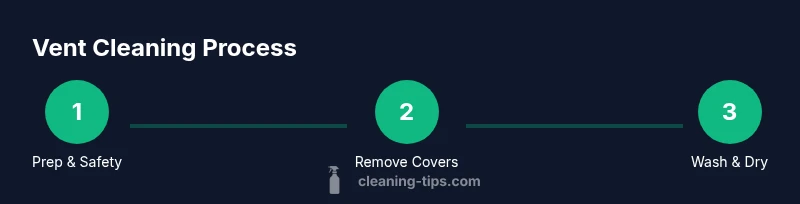
This section provides a high-level walkthrough of the cleaning steps you’ll perform on the vent covers and accessible parts of the duct system. It’s designed to pair with the detailed STEP-BY-STEP block that follows. You’ll see how to approach removal, debris collection, cover washing, and reassembly, with emphasis on safety and minimal moisture intrusion. Remember that many homes only require vent cover cleaning, while complex duct systems may need professional attention for deeper cleaning. By following these steps, you’ll reduce dust recirculation and help your HVAC run more efficiently over time.
Maintaining Clean Vents: Simple Habits for Long-Term Air Quality
Cleaning isn’t a one-and-done task. Small daily habits and periodic checks prevent debris buildup and mold growth. After you finish cleaning, establish a routine: quick wipe-downs of the vent grilles, monthly checks for moisture buildup around the registers, and semi-annual inspections of duct access points. Keeping the area around vents dry and free of clutter lowers the chance of mold and pests. This section provides practical tips to help you reinforce good habits and sustain the benefits of your initial cleaning effort.
Safety, Common Pitfalls, and When to Call a Pro
This closing section highlights important safety reminders and tells you when a professional is warranted. Never spray liquids directly into ducts or into electrical components. Avoid aggressive scrubbing that can damage vent coatings. If you encounter persistent mold, severe moisture intrusion, or visible pests, it’s wise to consult a licensed HVAC technician. The goal is to maximize safety and effectiveness while avoiding costly mistakes. Cleaning Tips emphasizes prudent, informed decisions when dealing with complex duct systems.
Tools & Materials
- Vacuum with brush attachment(HEPA-filter vacuum is ideal to trap fine dust)
- Microfiber cloths (2-3)(Use dry for dusting and damp for wiping)
- Vent brush or old toothbrush(Gently scrub vent slats)
- Screwdriver (Phillips and flat-head)(For removing vent covers)
- Mild soap or dish detergent(Mild solution for washing covers)
- Bucket and warm water(Rinse and soak vent covers as needed)
- Spray bottle with water or mild cleaner(Optional for light misting)
- Gloves (nitrile) and a mask (N95 or equivalent)(Protect from dust and mold spores)
- Drying rack or clean towel(Dry covers completely before reinstallation)
- Step ladder or stable stool(Access higher vents safely)
Steps
Estimated time: 60-90 minutes
- 1
Power off and prep
Begin by turning off the HVAC system at the thermostat and, if safe, at the service switch. Remove nearby items from the area and lay down towels to catch debris. This step reduces dust exposure and protects your equipment while you work.
Tip: Wear a mask and glasses to protect against dust and glassy particles that may release during removal. - 2
Remove vent covers
Use the appropriate screwdriver to loosen screws securing the vent covers. Gently set covers aside to prevent bending the slats. Keeping screws in a small container helps prevent loss.
Tip: Take a quick photo of how covers align to ease reassembly. - 3
Vacuum loose dust from grilles
With the vacuum’s brush attachment, remove loose dust from the vent slats and surrounding grille. Use the crevice tool to reach tight corners. Do not force dust through the ductwork; focus on the surface area.
Tip: Vacuum in short, deliberate passes to avoid re-suspending dust. - 4
Wash vent covers
Prepare a mild soap solution in a bucket and gently scrub covers with a microfiber cloth or soft brush. Rinse with clean water and lay flat or on a rack to dry completely before reinstalling.
Tip: Avoid abrasive cleaners that could damage plastic or painted finishes. - 5
Wipe surrounding surfaces and accessible duct area
Dampen a cloth with a mild cleaner and wipe the edges of the vent opening. Avoid soaking inner ducts; moisture can promote mold growth. Focus on seals, edges, and the area where dust tends to accumulate.
Tip: Keep moisture low and dry the area promptly after cleaning. - 6
Reinstall vent covers
Place vent covers back onto their frames and secure with screws. Ensure slats are oriented correctly for optimal airflow. Double-check that no screws are loose and that covers sit flush.
Tip: Test rotation of slats after installation to confirm smooth operation. - 7
Test the system and observe for moisture
Turn the HVAC back on and observe air output. Look for improved airflow and any unusual odors. If you notice moisture or musty smells, dry the area longer and consider a deeper duct assessment.
Tip: If odors persist, consider checking for moisture sources nearby the unit or contacting a pro.
Questions & Answers
Do I need to hire a professional to clean air ducts or vents?
For routine vent cleaning, you can do it yourself. If you suspect mold growth inside the ducts, extensive moisture, or pests, a licensed HVAC professional should handle the work to ensure safety and proper duct sealing.
You can clean vents yourself, but call a pro if you find mold or extensive moisture.
How often should vents be cleaned in a typical home?
Most homes benefit from cleaning vent covers at least once a year, with higher frequency in homes with pets, smokers, or allergy sufferers. If you notice reduced airflow or persistent dust, consider a mid-year check.
Annual cleaning is common, with more frequent checks if you have allergy concerns or pets.
Can I clean inside the ductwork myself?
In most cases, DIY cleaning should be limited to vent covers and visible surfaces. Deep cleaning inside ducts can damage components or contaminate the system if done improperly. Professional duct cleaning is recommended for deeper work.
Usually not—stick to vents and surfaces. Call a pro for inside-duct cleaning.
Are chemical cleaners safe for vent covers and plastic components?
Use mild soap on vent covers and avoid harsh solvents that can degrade plastic or coatings. Rinse thoroughly and dry completely. Avoid spraying cleaners into the duct opening.
Stick to mild soap and avoid strong solvents near ducts.
What signs indicate mold or moisture in vents?
Look for visible mold, a musty odor, or moisture around vent areas. If you see growth or persistent dampness, stop and contact a professional to assess moisture sources and duct integrity.
Watch for mold, musty smells, or dampness around vents; call a pro if detected.
Watch Video
The Essentials
- Power off the HVAC system before starting.
- Clean vent covers, not the sealed duct inside.
- Keep moisture away from internal ducts to prevent mold.
- Dry thoroughly before reassembly and testing.
- For persistent mold or moisture, call a licensed HVAC professional.