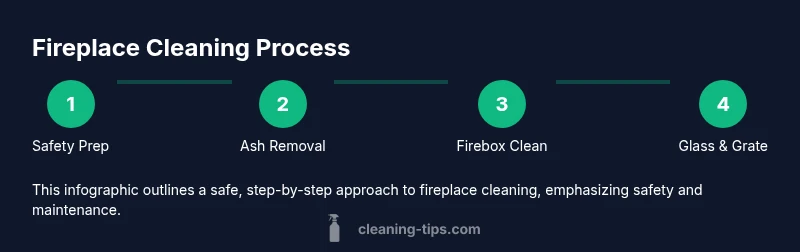
How to clean a fireplace safely: a step-by-step guide
Learn how to clean a fireplace safely with Cleaning Tips. This step-by-step guide covers safety, ashes, glass, grate, and chimney checks for a healthier home.


This guide shows you how to clean a fireplace safely and effectively from start to finish. You’ll learn essential safety steps, what tools to use, and the order of operations to remove soot, ash, and creosote. Gather PPE, a vacuum, brushes, and natural cleaners, then follow the step-by-step process for a cleaner, safer hearth.
Safety first: before you start
According to Cleaning Tips, safety always comes first when cleaning a fireplace. The Cleaning Tips team found that proper planning, ventilation, and personal protective equipment (PPE) dramatically reduce exposure to ash and creosote. Begin by opening exterior windows, turning on the exhaust fan, and keeping pets and children away. Wear a dust mask or respirator, safety goggles, and gloves. If you smell strong creosote or see heavy buildup, pause and reassess—creosote can ignite if disturbed without proper precautions. This block sets the tone for a safe, methodical clean rather than a rushed, messy job. Remember: creosote is highly flammable, so treat it with respect and avoid overheating the area.
Define a clean-room setup: workspace organization
Before you touch any soot, establish a clean, contained workspace. Use a drop cloth or old sheets to protect floors, and keep a metal container for ashes with a tight-fitting lid. Place a large trash bag within easy reach for debris, and have a stiff brush and vacuum ready. Clear the mantel, surrounding furniture, and any decorative items to reduce clutter and prevent soot transfers. A tidy zone helps you work more efficiently and reduces the chance of accidental spills or trips.
Inspect for red flags: structural and vent checks
A quick visual inspection now can prevent emergencies later. Look for obvious cracks in the firebox, loose bricks, or deteriorated mortar. Check the chimney crown for damage and ensure the chimney cap is intact. If you notice heavy creosote buildup on the chimney walls or a strong odor when the damper is opened, plan a professional inspection. As Cleaning Tips Analysis, 2026 notes, addressing structural issues early reduces costly repairs and improves overall safety.
Clean the firebox and grate: remove debris and soot
Start by removing loose ashes using a metal scoop and a metal pail; never use plastic containers, as hot coals can heat plastics. Use a stiff brush to loosen soot from the firebox walls, then sweep toward the grate. Don’t chase stubborn soot into the chimney—set aside the debris and vacuum later. For stubborn buildup on the grate, scrub with a brush and a mild detergent solution if the grate is metal and heat-resistant. This step prepares the area for a more thorough clean and minimizes the chance of recontamination.
Clean glass doors or panels (if present)
If your fireplace has glass doors, mist the surface lightly with water and apply a non-abrasive cleaner or a white vinegar solution. Wipe with a lint-free cloth or newspaper to avoid streaks. For stubborn soot stuck to glass, apply a paste of baking soda and water, let sit 10 minutes, then wipe clean. Do not use ammonia-based cleaners that can damage coatings. Glass cleaning improves visibility and the overall look of your hearth.
Tidy up the surroundings: sweep, vacuum, and wipe
After removing debris, vacuum the surrounding floor area using a shop vacuum with a HEPA filter. Vacuum the hearth edges and mantel area to remove fine dust. Wipe surfaces with a damp cloth and mild cleaner to catch any residual soot. Replace items on the mantel or shelves only after the area is completely dry. This final cleanup helps your room feel refreshed and ready for cozy moments by the fire.
Chimney safety: consult a professional for creosote build-up
Creosote buildup can accumulate over time and pose a serious fire hazard. While light cleaning reduces surface soot, heavy creosote should be addressed by a professional chimney sweep. If you notice white or flaky creosote, feel heat from the flue when in use, or hear a rattling from the chimney, stop and call a pro. Regular professional inspections complement at-home cleaning and keep your fireplace safe for seasons.
Aftercare and routine maintenance: keep it clean
Finish by re-checking the firebox for loose debris and reassembling any moved items. Consider placing a metal ash can in a safe outdoor location for future disposal. Schedule a seasonal inspection if you burn wood regularly, and document any changes in the fireplace’s performance. A consistent maintenance plan reduces the chance of unexpected problems and keeps your hearth inviting all year round.
Troubleshooting: common issues and quick fixes
If you notice persistent soot on walls after cleaning, it may indicate draft problems or incomplete sealing of the damper. Check the damper setting and ensure the chimney is drawing properly. A drafty fireplace can be optimized with proper primary and secondary air supply adjustments, and sealing minor gaps around the firebox with heat-resistant sealant can help. If odors linger or there’s a visible buildup, it’s wise to schedule professional advice to avoid hazards.
Tools & Materials
- Safety PPE (dust mask/respirator, goggles, gloves)(N95 or HEPA-rated respirator recommended for fine ash)
- Drop cloths or old sheets(Protect floors and nearby furniture from ash)
- Metal ash shovel and metal pail(Avoid plastic containers near hot ashes)
- Stiff brushes (fiber and wire scrub brushes)(Use one for the firebox and one for the grate)
- Shop vacuum with HEPA filter(Capture fine ash without dispersing it)
- Non-abrasive cleaner or white vinegar(For glass doors and mild cleaning)
- Baking soda(Make pastes for tough soot on glass)
- Metal container with lid for ashes(Ashes must cool before disposal)
- Ladder or stable step stool(Only if the chimney height requires access from the top or upper shelves)
Steps
Estimated time: 60-90 minutes
- 1
Prepare the space and safety gear
Arrange your workspace, lay down drop cloths, and put on PPE. Ventilate the room by opening a window or turning on a local exhaust. This step reduces dust exposure and makes cleaning safer and more comfortable.
Tip: Test your PPE for fit and comfort before starting; a good seal matters for filtration. - 2
Cool ashes and remove loose debris
Allow ashes to cool completely if the fire was recently used. Use a metal scoop to transfer loose ash into a metal pail. This prevents the risk of heat ignition and makes the initial cleanup cleaner.
Tip: Do not pour ashes into plastic bags; hot pockets can melt or catch fire. - 3
Brush the firebox and creosote buildup
Gently brush the firebox walls with a stiff brush to loosen soot and creosote. Work from top to bottom toward the grate to avoid spreading ash. If you see stubborn buildup, switch to a finer brush for better access.
Tip: Wear gloves to protect hands from sharp embers and vented heat. - 4
Clean glass doors or panels
Apply cleaner or vinegar solution to the glass and wipe with a lint-free cloth. For stubborn spots, use a baking soda paste and let sit for a few minutes before scrubbing. Rinse and dry to avoid streaks.
Tip: Avoid ammonia-based cleaners that can damage certain coatings; stick to mild cleaners. - 5
Clean the grate and surrounding area
Scrub the grate with a brush and mild detergent if needed, then rinse and dry. Vacuum the hearth perimeter to remove fine ash. Reposition items on the mantel only after the area is completely dry.
Tip: Keep metal tools away from moisture to prevent rust. - 6
Vacuum and wipe the surroundings
Run the shop vacuum around the hearth area to capture remaining dust. Wipe nearby surfaces with a damp cloth to remove residual soot and prevent transfer to furniture.
Tip: Finish with a dry microfiber cloth to pick up any remaining moisture. - 7
Assess the chimney and consider professional help
If you notice heavy creosote or odor, arrange a professional chimney sweep. This reduces fire risk and ensures the flue is clean and safe for use.
Tip: Regular inspections are a smart investment for long-term safety. - 8
Plan aftercare and maintenance
Create a simple maintenance routine: seasonal cleanings, annual professional checks, and safe disposal of ashes. Log any issues you observe for future reference.
Tip: Set a recurring reminder to perform maintenance so nothing slips through the cracks.
Questions & Answers
Is it safe to clean a fireplace myself?
Yes, you can clean a fireplace yourself, as long as you follow safety steps, use proper PPE, and avoid disturbing heavy creosote. For large buildup or structural concerns, consult a professional.
Yes, you can clean it yourself if you follow safety steps and PPE; call a professional for heavy buildup or structural issues.
How often should the chimney be inspected?
Ideally, have a professional inspection annually, especially if you burn wood regularly. Consider more frequent checks if you notice drafts or odors.
Have a professional inspection at least once a year, more if you burn wood often or notice drafts.
Can I use household cleaners on the glass doors?
Use mild cleaners like vinegar solutions or a baking soda paste for stubborn spots. Avoid ammonia-based cleaners that can damage coatings.
Stick to mild cleaners like vinegar; avoid harsh ammonia products on glass coatings.
What should I do with ashes after cleaning?
Let ashes cool completely, then store in a metal container with a tight lid. Dispose of ashes per local rules and never leave hot ashes indoors.
Cool ashes completely, store in a metal container, and follow local disposal rules.
Should I hire a professional for chimney cleaning?
Yes, especially with heavy creosote buildup, difficult access, or structural concerns. A professional ensures safety and code compliance.
Hire a pro if there's heavy buildup or structural concerns; it ensures safety.
What safety gear is essential?
PPE includes a respirator or mask, safety glasses, and heat-resistant gloves. This protects against ash and soot exposure.
Wear a mask, goggles, and gloves to protect against ash and soot.
How can I prevent future soot buildup?
Burn well-seasoned wood, maintain proper draft, regular chimney checks, and clean the firebox after each season to reduce creosote formation.
Burn dry wood, keep good draft, and inspect regularly to reduce creosote.
Watch Video
The Essentials
- Wear protective gear throughout the process
- Clear the space and ventilate before cleaning
- Inspect for structural issues and call a pro if needed
- Clean firebox, glass, and grate using appropriate tools
- Maintain a routine for seasonal upkeep and safe ash disposal