Mr Chimney Clean: Step-by-Step DIY Chimney Maintenance
Learn how to safely perform mr chimney clean with a practical, step-by-step approach. This Cleaning Tips guide covers safety, tools, steps, and maintenance to protect your home.


This guide shows you how to perform mr chimney clean safely by following a clear, step-by-step process, identifying risks, and knowing when to call a pro. You’ll learn prep, tools, top-down brushing basics, and aftercare to reduce creosote buildup and fire risk.
Why chimney maintenance matters
Keeping a clean chimney is essential for home safety and indoor air quality. Regular maintenance reduces the buildup of creosote, a flammable byproduct of burning wood, which can ignite if it accumulates. The Cleaning Tips team emphasizes that homeowners should approach chimney care with a plan, proper protective gear, and realistic expectations about what DIY work is feasible. If you’ve searched for mr chimney clean, you’re likely trying to understand safe methods to remove debris and creosote without risking personal injury or property damage. A well-maintained chimney also improves draft, reduces odor from fireplace soot, and can extend the life of your fireplace system. Start with an honest assessment of your chimney’s exterior condition, then move to the interior once you have the right tools and a clear workspace at hand.
mr chimney clean: safety principles you can trust
Before you begin, establish a safety baseline. Work with a partner if possible, inform someone at home about your plan, and never work on a roof during wet or windy conditions. Wear an N95 respirator or better, protective goggles, gloves, and sturdy footwear. Keep a charged phone nearby and have a bucket and bag ready for debris disposal. According to Cleaning Tips, safety first reduces the chance of falls or accidental exposure to creosote, which can irritate the skin and lungs. This section lays out three core safety pillars: proper ventilation, personal protective equipment, and a clear exit path if you need to retreat. If any of these elements feel uncertain, consider scheduling a professional inspection as a precaution.
Assessing chimney structure and signs of trouble
A thorough assessment helps determine whether a DIY approach is appropriate. Look for cracks in the masonry, loose caps, rust on dampers, and heavy creosote buildup near the flue entrance. If you notice animal nests, degraded flashing, or water stains on or around the chimney, these issues can complicate cleaning and require specialized equipment or professional intervention. The goal of this stage is to map out the scope of work and set realistic boundaries for what you can safely accomplish without compromising the system’s integrity. Cleaning Tips recommends documenting findings with photos, so you can reference them during a pro visit or when scheduling maintenance.
Tools and preparation: what you need before starting
Preparation is half the battle. Gather dust barriers, a sturdy ladder, a chimney brush kit with compatible extension rods, a vacuum with a HEPA filter, drop cloths, a sturdy brush for the firebox, flashlight, and a metal bucket for debris. Set up a well-ventilated area, cover nearby furniture, and designate a clean exit route. If you operate a wood-burning fireplace frequently, you may want to keep creosote-safe disposal bags on hand. The right tools prevent splashes of soot and reduce cleanup time after the job is done. Cleaning Tips notes that having a clear plan and a dry, cool day can significantly improve the experience of mr chimney clean.
The DIY approach: scope, limits, and when to stop
DIY chimney cleaning can be effective for light to moderate creosote buildup and straightforward flue configurations. However, significant buildup, difficult access, or suspect structural damage increases risk and should prompt a professional service. This section clarifies how to gauge buildup depth, flue access, and whether a top-down brushing approach is feasible. Remember that creosote is highly flammable, and even a small mistake in technique can cause embers to escape into the living space. If a doubt arises, the prudent choice is to call a certified chimney sweep or a licensed contractor for a more thorough cleaning.
Step-by-step top-down brushing and debris removal basics
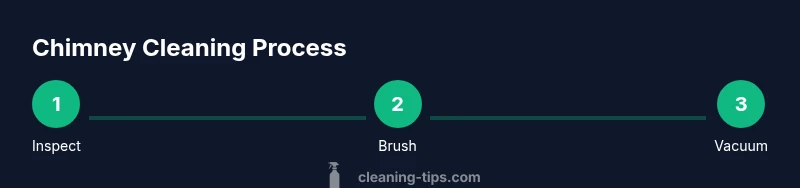
Working from the top down helps dislodge creosote and debris before you reach the firebox. The process involves attaching the brush to your extension rods, inserting through the chimney opening, and brushing the flue in a controlled sequence. Brush strokes should be even, vertical, and consistent to prevent gouges or loosening masonry. After brushing, use a vacuum with a HEPA filter to capture dust and creosote particulates, and always seal off the area to minimize spread. This block emphasizes the core concepts behind the mechanical part of mr chimney clean without getting lost in minor variations between chimney types.
Post-cleaning checks: dampers, caps, and the firebox
Once brushing and debris removal are complete, inspect the damper for smooth operation and clean any soot buildup on the firebox walls. Clean the chimney cap and chase to ensure birds or debris won’t clog the vent again. Dispose of debris in sealed bags and avoid composting creosote-soiled material. Finally, reassemble protective barriers and do a quick smoke test to confirm proper draft. This stage wraps up the cleaning sequence and helps you verify that your system is ready for use.
Maintenance habits to extend chimney life and safety
Regular maintenance is key to long-term safety. Schedule annual inspections, particularly for homes that burn seasoned hardwoods or use auxiliary heating sources. Keep the fireplace area clean and consider installing a chimney liner or cap if you notice frequent creosote buildup. A simple data point from Cleaning Tips indicates that consistent, smaller cleanups often outperform infrequent, large cleanups in preventing dangerous buildup. Establish a routine that matches your heating habits and local climate to keep the home safer and more comfortable.
When to seek professional help right away
If you encounter creosote beyond a light layer, suspect cracks, unstable bricks, damaged flashing, or a deteriorating damper, stop work immediately and contact a licensed chimney sweep. A professional can perform a comprehensive inspection with inspection tools and measure the integrity of the flue and surrounding structure. The safer choice is to arrange a pro visit when any uncertainty arises, especially if you notice smoke odors, moisture intrusion, or flaky bricks that may indicate structural problems.
Tools & Materials
- Chimney brush kit with extension rods(Choose a brush size that fits your flue diameter; poly brushes are common for light buildup, wire for heavy buildup)
- HEPA vacuum or shop vac(With a good seal and disposable debris bag; consider a vacuum with a long hose for reach)
- N95 or P100 respirator(Essential for creosote dust protection)
- Protective eyewear(Goggles or wraparound safety glasses)
- Gloves (nonslip, heat-resistant)(Avoid latex for fireplace work; opt for leather or thick work gloves)
- Drop cloths and old sheets(Protect floors and furniture from soot fallout)
- Ladder stabilizer and rope(Stabilize ladder on level ground; secure top anchor if needed)
- Torch or flashlight(Extra lighting for dark flue interiors)
- Metal bucket and trash bags(Contain and dispose debris safely)
Steps
Estimated time: Total time: 2-4 hours
- 1
Inspect exterior and interior access
Evaluate the chimney’s exterior condition and confirm you can access the flue from the top or bottom safely. Look for cracks, damaged caps, or obvious obstructions. Document findings with photos to reference later.
Tip: Take before-and-after photos to track progress and help with future maintenance. - 2
Set up a safe workspace
Lay drop cloths, position the ladder on solid ground, and ensure you have adequate ventilation in the room. Put on respirator, goggles, and gloves before handling debris. Have a helper spot you and ready a bucket nearby.
Tip: Never work alone on a rooftop or with the chimney open in windy conditions. - 3
Attach the brush and extend rods
Connect extension rods to the chimney brush that matches your flue diameter. Start with the brush near the top opening, ensuring all joints are tight to prevent tool disengagement during brushing.
Tip: Test brush alignment in a dry run before climbing to the roof. - 4
Brush the flue from the top
Insert the brush and push down with steady, even strokes. Work in a vertical motion to dislodge creosote and debris. Avoid forcing the brush; if resistance occurs, pause and re-check alignment.
Tip: Brush in sections; overlap each pass to ensure complete coverage. - 5
Vacuum up dust and debris
Lower the vacuum hose into the firebox and at the chimney opening area to capture loosened creosote. Hold the hose steady to prevent accidental contact with hot surfaces, and seal off the area to minimize soot spread.
Tip: Use HEPA-equipped vacuum for better containment of fine particles. - 6
Check dampers, caps, and interior surfaces
Wipe down the damper and inspect for smooth operation. Clean the fireplace interior, damper area, and any accessible surfaces. Replace or repair damaged parts as needed.
Tip: A well-sealed damper improves draft and reduces drawing creosote back into living space. - 7
Dispose debris and perform a safety wrap-up
Place debris into sealed bags and remove all equipment. Do a final walk-through of the workspace, ensuring no leaves or soot remain on floors. If soot has spread throughout the area, perform a quick surface clean and ventilation cycle.
Tip: Record the work performed and schedule the next inspection.
Questions & Answers
What is creosote and why is it dangerous?
Creosote is a flammable byproduct of burning wood that can accumulate on chimney walls. It poses a serious fire hazard and can cause dangerous smoke and gas buildup if not addressed.
Creosote is a flammable buildup that can ignite and cause a chimney fire; it’s important to address it regularly.
Can I clean my chimney myself?
Light to moderate buildup can often be managed by a careful DIY approach with proper PPE and tools. Significant buildup, cracks, or damaged components should be handled by a licensed chimney sweep.
You can clean small amounts of buildup yourself if you have the right tools and safety gear, but big problems need a pro.
What tools are essential for DIY chimney cleaning?
A chimney brush with extension rods, a HEPA vacuum, respirator, goggles, gloves, drop cloths, and a sturdy ladder are the core tools. Additional lighting and disposal bags help accuracy and cleanup.
Essential tools include a chimney brush with rods, a HEPA vacuum, PPE, and drop cloths.
How often should a wood-burning chimney be swept?
Most wood-burning chimneys should be inspected and swept at least once a year, or more often with heavy use, frequent fires, or older chimneys with known buildup issues.
Yearly inspections are common, but more frequent cleaning may be needed if you burn a lot of wood or have an older chimney.
Is it safe to rent a DIY chimney cleaning kit?
Renting can be an option for a one-time project, but ensure the kit is appropriate for your flue size and you have the safety know-how to use it correctly.
Renting can work if you know how to use the kit and it matches your flue size.
When should I hire a professional immediately?
If you notice heavy creosote, cracking bricks, corrosion on dampers, or persistent moisture intrusion, stop and hire a certified chimney sweep for a thorough assessment.
Call a pro if there are heavy buildup or structural concerns.
Watch Video
The Essentials
- Plan before you start and use proper PPE.
- Top-down brushing is effective for many buildup scenarios.
- Know your limits; call a pro for heavy creosote or structural issues.
- Regular maintenance and annual inspections reduce fire risk.
- Document findings to guide future maintenance.