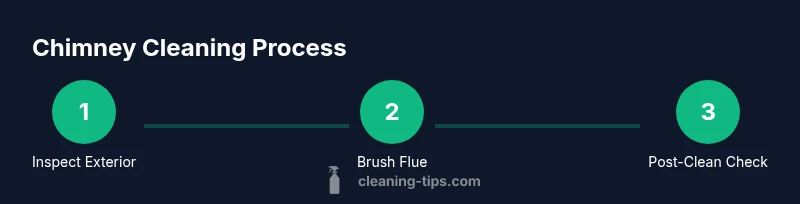
How to Clean a Chimney: A Homeowner’s Step-by-Step Guide
Learn safe, practical, and effective chimney cleaning techniques. This guide covers prep, tools, debris removal, creosote brushing, damper care, and post-cleaning checks to reduce fire risk and improve draft.


Goal: Learn how to clean a chimney safely and effectively. This guide covers prep and safety gear, exterior inspection, debris removal, creosote brushing, damper and smoke shelf cleaning, and post-cleaning checks. It also explains when to hire a pro and how to maintain a clean chimney year-round. Follow these steps to reduce fire risk and improve draft.
Why Clean a Chimney Matters
Keeping a chimney clean is essential for stove and fireplace safety, energy efficiency, and indoor air quality. Creosote and soot can ignite if they accumulate to dangerous levels, and blockages reduce draft, leading to inefficient burning and higher smoke exposure. The Cleaning Tips team emphasizes proactive maintenance to homeowners: regular cleaning lowers fire risk, helps your chimney draw better, and extends the lifespan of masonry and metal components. In addition to creosote, wildlife nests and leaves can clog the flue, especially if the chimney cap is damaged or missing. A clean chimney also minimizes odor issues and ash spillovers into living spaces during use.
-ish
Assessing Your Chimney Before Cleaning
Before you touch a tool, perform a quick exterior and interior assessment. Look for cracked crowns, damaged flashing, or a missing chimney cap. If you notice loose bricks or crumbling mortar, address those issues first or call a professional. Check the damper for smooth operation and confirm there are no obstructions around the firebox. On the interior, inspect the flue lining (if visible) for cracks or gaps. This pre-clean check reduces surprises once you start brushing.
-ish
Planning for a Safe Cleaning Day
Plan your cleaning day with safety as the top priority. Schedule on a dry day with good visibility and keep a partner nearby to hold the ladder and assist with cleanup. Clear the area around the fireplace and move furniture away from the work zone. Wear appropriate PPE: gloves, eye protection, and a respirator or dust mask. Lay down drop cloths to protect floors, and have metal cans or a metal bucket ready for ashes. Checking weather, daylight, and access to the top of the chimney are all part of a smart plan. This preparation aligns with guidance from Cleaning Tips on avoiding unnecessary risks.
-ish
Tools and Materials You’ll Use
A comprehensive cleaning uses a mix of tools and protective gear. The following items are commonly needed: a chimney brush with compatible rods, a sturdy ladder, a flashlight, a HEPA-equipped vacuum, heavy-duty drop cloths, work gloves, eye protection, a dust mask or respirator, and metal ash pails. If you must access the chimney from the roof, consider a fall-arrest system and a partner to assist with rope safety. Keep a trash bag handy for disposable debris. This section provides a baseline toolbox, while the TOOLS-MATERIALS block below lists exact essentials.
-ish
Cleaning Techniques: Creosote and Debris Removal
Creosote buildup ranges from sooty to tar-like and can cling to the flue lining. The preferred method is mechanical brushing with rods and a chimney brush that matches your flue size, ideally starting from the top down if roof access is safe. Work slowly, using steady, even strokes to dislodge soot and creosote without creating excessive dust. Collect debris with a vacuum designed for fine particulates, and seal off the firebox to limit dust migration. If you encounter thick creosote beyond a light brushing, you may need to schedule a professional sweep. Regular, controlled brushing keeps buildup manageable and reduces fire risk.
-ish
Post-Cleaning Checks and Maintenance
After brushing, inspect the flue and crown for cracks that could let smoke into living spaces. Wipe the damper area and firebox with a dry cloth, then vacuum any residual dust. Reassemble the cap and check the weatherproofing around the chimney for gaps. Light a small, controlled fire to test draft and ensure smoke exits properly through the flue. Document any repairs needed and plan a follow-up cleaning schedule.
-ish
Common Mistakes to Avoid and When to Call a Pro
Common errors include using excessive water on creosote, which can loosen sooty deposits and create cleanup headaches; brushing too aggressively can damage lining or bricks; and neglecting exterior inspections, leaving cracks or damage unaddressed. If you notice significant creosote buildup, gaps in the flue lining, or structural concerns, it’s wise to hire a licensed chimney sweep. Regular maintenance is often more affordable than emergency repairs after a chimney fire.
-ish
Tools & Materials
- Chimney brush (matching flue size)(Choose a brush compatible with your flue diameter and material (poly or stainless steel).)
- Chimney rods or a flexible rod system(Sturdy, compatible with your brush; avoid cheap adapters that shed.)
- HEPA vacuum or shop vac(Essential for containing fine soot and dust.)
- Protective gear (gloves, goggles, respirator/dust mask)(Protect eyes and lungs from dust and creosote.)
- Ladder and roof safety gear (if accessing the roof)(Stable ladder, non-slip, with a spotter if possible.)
- Drop cloths or plastic sheeting(Protect floors and furniture from dust.)
- Flashlight(Improve visibility inside the dark chimney and firebox.)
- Metal ash bucket(For safe disposal of ashes.)
- Trash bags for debris(Optional but helpful for cleanup.)
Steps
Estimated time: 2-4 hours
- 1
Prepare safety gear and workspace
Put on PPE (gloves, goggles, respirator). Lay down drop cloths and move furniture away. Set up a stable ladder and ensure a second person is available to assist with safety and cleanup.
Tip: Have the helper hold the ladder and assist with passing tools to keep both hands free. - 2
Inspect exterior and interior conditions
From ground level, check the chimney cap, crown, and flashing for damage. If safe to access the roof, perform a quick exterior check before moving ahead. Look for loose bricks or mortar gaps and note any obvious damage to address later.
Tip: Take photos of any damage to share with a pro if needed. - 3
Clear top and prepare the interior
Remove debris from the top (leaves, nests) if you can access the crown safely. In the firebox, remove ash using the metal bucket and keep the area clear for brushing. Vacuum up loose soot around the firebox after removal.
Tip: Avoid stirring dust into the living space; seal the area with drop cloths where possible. - 4
Brush the flue with the rods
Attach the chimney brush to the rods and insert from the top (or bottom if top access isn’t feasible). Use slow, deliberate strokes to dislodge creosote and soot, working your way down the flue in sections.
Tip: Maintain a steady rhythm and avoid forcing the brush through tight bends. - 5
Clean the damper and smoke shelf
Wipe the damper opening and smoke shelf with a dry cloth to remove dust. Inspect for moisture or sticky residue and avoid using water directly on creosote to prevent smearing.
Tip: A damp rag can help remove stubborn dust without creating moisture in the flue. - 6
Final inspection and test
Re-check the exterior cap and crown for damage. Vacuum remaining dust and debris. Light a small fire and observe the draft and smoke flow to ensure proper ventilation.
Tip: If smoke backs up into the room, stop and reassess; there may be a draft or block further down the line.
Questions & Answers
How often should I clean a chimney?
Most homes benefit from a chimney inspection and cleaning at least once a year, ideally before the heating season. If you use the fireplace heavily or notice smoke backdrafts, more frequent checks may be warranted.
Most homes benefit from an annual inspection, especially before winter.
Can I clean a chimney myself, or should I hire a pro?
Light, routine maintenance can be done by a confident homeowner using proper safety gear and tools. Heavier creosote buildup, damaged flue liners, or difficult-to-reach sections are best handled by a licensed chimney sweep.
You can do basic cleaning yourself if you follow safety steps; for complex issues, hire a pro.
What is creosote, and why is it dangerous?
Creosote is a tar-like buildup from burning wood. It is highly flammable and can ignite if it becomes thick or sticky. Regular cleaning reduces fire risk and improves chimney performance.
Creosote is a flammable buildup that increases fire risk if not cleaned regularly.
Is it safe to use cleaning logs or chemical cleaners?
Chemical cleaners are not a substitute for physical brushing. They may help loosen deposits, but mechanical brushing remains essential for safety and effectiveness. Always follow product instructions and avoid mixing cleaners.
Don’t rely on chemicals alone; brushing is essential for safety.
When should I call a professional?
Call a professional if you see heavy creosote buildup, feel structural damage, notice persistent smoke issues, or lack safe access to the chimney. A pro can assess, clean, and certify the system’s safety.
Call a pro if you find heavy buildup or structural damage.
Watch Video
The Essentials
- Prepare safety gear and workspace before starting
- Inspect exterior and interior conditions to identify damage
- Use the right chimney brush and rods for effective cleaning
- Brush the flue carefully, from top to bottom when safe
- Perform post-cleaning checks to ensure proper draft and safety