How to Clean a Furnace Safely: Step-by-Step Guide
Learn how to clean a furnace safely with a practical, step-by-step approach. This guide covers filters, blower cleaning, and maintenance tips to improve efficiency and air quality.


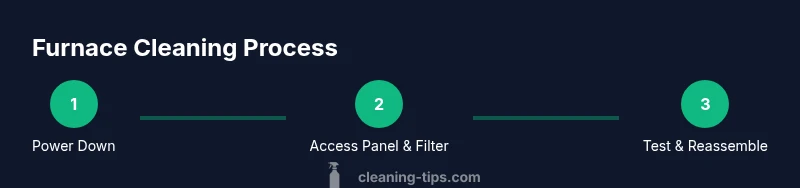
To clean a furnace safely, power down the unit, switch off the thermostat, and let the system cool. Replace the air filter, vacuum loose dust from accessible areas, and wipe the exterior. Do not attempt to service burners, heat exchangers, or gas lines yourself—consult a professional for internal components.
Why Regular Furnace Cleaning Matters
A well-maintained furnace runs more efficiently, uses less energy, and delivers safer indoor air. When you clean a furnace, you reduce dust buildup, lower the risk of malfunctions, and extend the life of essential parts such as the blower and filter. According to Cleaning Tips, regular maintenance helps homeowners save on utilities and avoid costly repairs, particularly in peak heating months. The Cleaning Tips team found that dust in the blower housing can reduce airflow and force the furnace to work harder, raising energy use and wear. A simple routine—changing the filter, wiping accessible surfaces, and clearing minor dust from the cabinet—keeps the system operating close to its rated efficiency. If you’re unsure about what you can safely reach, consult the user manual or a professional.
Safety considerations before you start
Before you touch anything, power down the furnace at the main breaker, switch off the thermostat, and let the unit cool. For gas furnaces, shut off the gas valve if you can do so safely, and install or verify a working carbon monoxide detector in the area. Wear eye protection and a dust mask to reduce inhalation of accumulated dust. Keep children and pets away from the work area and ensure good ventilation. If you smell gas or detect a strong odor, exit the space immediately and call the gas utility or emergency services. These precautions help prevent accidents and keep your home safer while you clean.
According to Cleaning Tips, proactive safety planning reduces risk and supports long-term furnace health.
What you’ll need to prep the space
Prepare a clean, well-lit workspace with a clear path to the furnace. Gather the tools and materials listed in the next section, lay a drop cloth or old towels to catch dust, and have a flashlight ready to inspect hard-to-see corners. Remove any nearby clutter that could obstruct access to the blower compartment or control panel. A tidy workspace reduces the risk of dropping screws or losing small parts inside the cabinet.
Cleaning plan by zone
Focus your cleanings on three zones: (1) air filtration and intake, (2) the blower housing and accessible surfaces, and (3) exterior cabinet and drainage components. Start with the filter—removing and inspecting it for wear; replace if needed. Use a vacuum with a brush attachment to remove dust from the blower housing and around the blower wheel, ensuring you don’t bend delicate fins. Wipe exterior panels with a damp microfiber cloth and mild detergent, avoiding any openings or controls. Finally, inspect the condensate pan and drain line for clogs and signs of moisture.
Maintenance you can do between cleanings
Between deeper cleanings, replace the air filter on schedule, check that vents are unobstructed, and listen for unusual noises or smells. Keep a simple maintenance log to track when you cleaned, replaced the filter, and noticed any changes in performance. By staying proactive, you can spot signs of air leaks, worn belts, or unusual airflow before they become costly repairs. The goal is consistent, gentle care—not aggressive scrubbing of sealed components.
Common mistakes and how to avoid them
Avoid spraying water into electrical components or burners, which can cause shorts or corrosion. Do not remove panels beyond the access point designed by the manufacturer, and never attempt to clean the heat exchanger yourself. Keep cleaners away from gas lines and valves, and never operate the unit while damp. If in doubt, skip the risky step and seek professional help. A cautious approach protects your equipment and your safety.
Quick safety checklist
- Power off at the breaker and thermostat. - Verify gas is off for gas furnaces when you're touching relevant parts. - Wear eye protection and a mask; use a vacuum for dust. - Never spray water into electrical parts or burners. - Reassemble only after all parts are dry and secure.
Tools & Materials
- Safety glasses(Protect eyes from dust and debris)
- Work gloves(Grip and protect hands)
- Screwdrivers (Phillips and flathead)(For accessing panels)
- Vacuum with hose attachment(Remove dust from blower area)
- Soft brush or microfiber cloth(Gentle cleaning around fins)
- Replacement air filter(Size matching your unit)
- Flashlight(Inspect hard-to-see corners)
- Mild detergent and damp cloth(For exterior cabinet cleaning)
- Drop cloth or old towels(Protect floors)
- Carbon monoxide detector (working)(Optional safety check for gas furnaces)
Steps
Estimated time: 60-90 minutes
- 1
Power down and secure the furnace area
Turn off the furnace at the main breaker and the thermostat. If safe to do so, shut off the gas valve for gas furnaces. Allow the unit to cool for several minutes before touching any components. This prevents electrical shocks and burns and ensures that moving parts aren’t energized.
Tip: Verify power is off by trying to switch the thermostat to off and listening for the fan to stop. - 2
Access the blower compartment
Remove the access panel with a screwdriver and keep screws in a labeled container. Inspect the blower housing for dust buildup and look for signs of wear on belts or pulleys. Do not force any components; if something seems damaged, stop and seek guidance.
Tip: Lay a cloth under the panel to catch screws and prevent them from rolling away. - 3
Replace the air filter
Remove the old filter, check its size and dirt level, and insert a new one with the correct airflow direction as indicated on the frame. If you notice rapid dirt accumulation, consider a higher-efficiency filter that still supports airflow.
Tip: Hold the filter by its frame and avoid bending the pleats. - 4
Clean the blower housing and wheel
Use a vacuum with a brush attachment to remove dust from the blower housing and around the wheel. Wipe nearby surfaces with a microfiber cloth. Avoid spraying or immersing electrical components or the motor with water.
Tip: Vacuum in short, gentle passes to prevent bending delicate fins. - 5
Inspect exterior and drainage components
Wipe exterior panels with a damp cloth. Check the condensate pan and drain line for clogs or standing water. If you notice moisture, clear the line carefully with a flexible brush or sniff for any leaks.
Tip: Do not pour liquids rapidly into the drain line; go slow to avoid backups. - 6
Reassemble, power up, and test
Reinstall the access panel and any removed screws. Restore power and, if applicable, gas. Run the blower for 10–15 minutes to clear dust, then observe for unusual noises or smells. If everything looks normal, you’re done.
Tip: If you smell gas at any point, shut down and call the gas utility immediately.
Questions & Answers
Is it safe to clean a furnace myself?
Basic exterior cleaning and filter replacement are generally safe for homeowners. Avoid internals like burners or heat exchangers, and call a professional for components inside the cabinet or gas-related parts.
Basic exterior cleaning and filter changes are usually okay for homeowners, but avoid internal parts; contact a professional for internal components.
How often should I replace the air filter?
Most homes replace filters every 1–3 months, depending on usage, dust exposure, and filter type. Check your furnace manual for the recommended schedule.
Most homes change filters every 1 to 3 months, depending on use and dust.
Can I clean the heat exchanger?
No. The heat exchanger is a sealed component; cleaning it requires specialized training and equipment. Contact a licensed technician if you suspect issues there.
The heat exchanger is sealed—don’t try to clean it yourself. Call a licensed technician if needed.
What should I do if I smell gas after working on the furnace?
If you smell gas, leave the area immediately, avoid flames or sparks, and call your gas utility or emergency services from a safe location.
If you smell gas, exit and call emergency services immediately.
Is annual professional cleaning required?
Annual professional inspection helps ensure safety and efficiency, especially for gas furnaces. Homeowners can DIY basic maintenance, but internal inspections should be scheduled with a pro.
Yes, annual professional checks help with safety and efficiency.
Should I use water to clean the blower wheel?
No. Keep the blower and motor dry and avoid introducing liquids near electrical components or bearings.
Avoid using water on the blower or electrical parts.
Watch Video
The Essentials
- Power off before any cleaning tasks.
- Replace the air filter during the process.
- Do not attempt internal burner or heat exchanger cleaning.
- Test the system and monitor for unusual noises or smells.