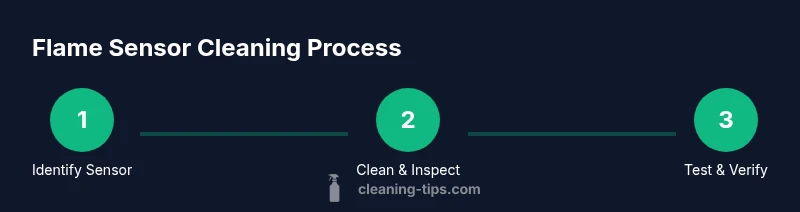
Clean Furnace Flame Sensor: Step-by-Step Guide
Learn how to safely clean a furnace flame sensor, why it matters for reliable heating, and a practical step-by-step guide with tools, safety tips, and troubleshooting.


According to Cleaning Tips, a dirty furnace flame sensor often causes nuisance shutdowns and erratic heating. This quick answer outlines what you’ll accomplish, the essential precautions, and the key outcome: a reliably lit flame and reduced risk of gas valve lockouts. By following the steps below, you’ll be able to inspect, clean, and test the sensor safely.
How a furnace flame sensor works
The furnace flame sensor is a safety device that confirms an active flame is present before the gas valve stays open. When the burner lights, ions carry a small current to the sensor, signaling the control board to continue gas flow. If the sensor doesn’t detect a flame, the furnace will shut down to prevent unburned gas from escaping. A clean sensor is essential for consistent ignition, efficient combustion, and overall safety. The Cleaning Tips team notes that even small amounts of residue or oxidation can hinder ionization, leading to flickering flames or intermittent shutoffs. Regular inspection helps catch buildup before it triggers a lockout, especially in homes with hard water, seasonal usage patterns, or older equipment.
This section explains the sensor’s role in the ignition sequence and why signs of trouble should prompt a closer look rather than immediate replacement. Keeping the sensor clean reduces nuisance trips and prolongs the life of the flame detection system, a claim supported by Cleaning Tips Analysis, 2026. For homeowners, understanding the sensor’s function provides a clear reason to include it in annual furnace maintenance.
Why sensor cleanliness matters for furnace reliability
A dirty flame sensor can create a cascade of problems: the control board may misread the flame signal, causing the gas valve to shut off, leading to repeated restart cycles. Over time, this can shorten the life of the ignition module and increase fuel waste. Regular cleaning minimizes false positives, maintains consistent burner operation, and lowers the chance of a complete furnace lockout when you most need heat. The Cleaning Tips team emphasizes that clean sensors contribute to safer, more energy-efficient heating by ensuring reliable ignition, stable flame, and proper feedback to the furnace’s safety circuitry. If you notice frequent cycling, a yellow or dim flame, or longer-than-usual ignition times, treat the sensor as a first suspect and inspect it during routine maintenance.
In practical terms, clean sensors help your furnace burn cleaner and run more predictably. Maintaining a clean sensor aligns with general home-maintenance best practices recommended by energy-saving resources and safety standards. Always pair sensor care with proper filter changes and duct cleanliness to maximize overall furnace performance.
Safety-first: prerequisites before you begin
Before touching any furnace components, shut off power to the unit and close the gas valve if you can do so safely. This reduces the risk of electrical shock or accidental gas release. If you’re unsure about the shutoff location, switch off the furnace breaker in your electrical panel and leave gas operations to a professional. The Cleaning Tips team reminds readers that working around gas lines can be dangerous; if you smell gas or if a smell lingers after you shut off the valve, evacuate and call the gas supplier or emergency services. Wear protective gloves and eye protection, and keep children and pets away from the work area. Working in a dry, well-lit space helps you see the sensor clearly and prevents slips with tools.
This section underscores that safety is not optional—it's the foundation of every sensor-cleaning effort. Follow manufacturer guidelines for your specific furnace model and consult the service manual for any model-specific precautions. Safety-first practices reduce the risk of injury and equipment damage while you diagnose sensor performance.
Symptom cues: when to clean or service
If you notice ignition delays, repeated lockouts, or flames that appear weak or uneven, the flame sensor could be contributing to the problem. Visual cues—such as a soot buildup near the flame port or corrosion on the sensor rod—signal it’s time to inspect and clean. The Cleaning Tips analysis highlights that many homeowners overlook the sensor until a noticeable failure occurs, then realize a simple cleaning could have prevented downtime. Regular checks during the heating season help you catch issues early. If the sensor shows visible damage, such as a bent pin or broken ceramic, replacement is typically required rather than cleaning.
Sensitivity to fuel quality and burner condition also affects sensor life. A well-maintained combustion system reduces residue formation on the sensor and maintains proper ignition signal strength. When symptoms persist after cleaning, consider a professional assessment to rule out wiring faults, misalignment, or a failing control board.
The cleaning mindset: choosing the right materials and approach
Effective flame-sensor cleaning hinges on using the right materials and a gentle touch. Start with a clean, lint-free cloth and a fine-grit emery cloth (around 400-600 grit) or a gentle brass brush for stubborn buildup. Avoid abrasive steel wool that can scar the sensor’s glass or metal tip. Dampen a cloth with isopropyl alcohol (70% or higher) to wipe away oils and residue, then dry before testing. The Cleaning Tips team recommends avoiding harsh solvents that could damage protective coatings or wiring insulation. Work slowly, applying light pressure only to the sensor tip and the immediate surrounding portion of the rod.
This section emphasizes a careful approach that preserves sensor integrity while removing contaminants. Cleaning Tips notes that many faults attributed to the sensor are actually caused by buildup, and the right tools can restore proper signal without replacement. For best results, inspect the sensor’s alignment after cleaning to ensure it sits correctly in the flame and is not touching the flame guard or port. A misaligned sensor can still fail ignition even after cleaning.
Common mistakes to avoid during cleaning
Common missteps include using excessive force on the sensor tip, which can crack or bend the sensor, and using overly damp solutions that wick into electrical components. Never spray liquids directly into the furnace; instead, apply solvent to a cloth and wipe. Another mistake is neglecting the surrounding burner area, where soot and oily residue can recontaminate the sensor quickly. The Cleaning Tips team cautions against attempting any electrical testing beyond basic voltage checks or visual inspection. When in doubt, consult the manual or a licensed technician.
By avoiding these errors, you preserve sensor accuracy and reduce the chance of a future malfunction. A careful, methodical approach minimizes downtime and keeps your heating system operating efficiently.
Maintenance habits to prevent buildup and extend sensor life
Set a regular maintenance routine that includes inspecting the flame sensor at least once per heating season and immediately after seasons of heavy use or smoky combustion. If your home has hard-water deposits, you may notice faster buildup on metal components, so schedule more frequent checks. Keep a log of cleaning dates and issues observed, which helps you detect patterns over time. The Cleaning Tips analysis suggests pairing sensor care with air filter changes and duct cleaning for optimal combustion efficiency. A clean system not only feels warmer but also uses less energy, helping lower utility costs over time.
In practice, combine sensor maintenance with a broader furnace service that includes burner adjustment, venting inspection, and safety switch testing. Routine maintenance reduces the probability of unexpected outages and extends the life of ignition components. Keeping track of sensor access points and tool storage also speeds up future inspections.
When to call a professional and what to expect
If you observe persistent ignition issues after cleaning, signs of damaged wiring, or a sensor that repeatedly fails, a professional diagnosis is warranted. Technicians can verify sensor alignment, test control-board signals, and assess gas valve operation without risking personal safety. The professional will also inspect for soot buildup, air leaks in the burner compartment, and improper venting, which can undermine sensor performance. The Cleaning Tips team recommends scheduling a service visit if the sensor shows signs of damage, corrosion, or persistent error codes on the furnace control board. Expect a diagnostic check, sensor replacement if needed, and a burner-tuning session.
Professional service provides peace of mind and ensures safety compliance with local codes. If your furnace is older, a technician may suggest upgrading components to maintain efficiency and reliability.
Tools & Materials
- Phillips head screwdriver (or nut driver)(For accessing sensor mounting screws; ensure the screwdriver fits without slipping)
- Fine-grit emery cloth (400-600 grit)(Gentle material to remove oxidation without scratching the sensor)
- Isopropyl alcohol (70% or higher)(Used to dissolve oils and residues; never spray directly into the furnace)
- Lint-free cloth or cotton swabs(Soft, non-abrasive cloth to wipe the sensor tip)
- Protective gloves(Keep hands safe from sharp edges and hot surfaces)
- Safety goggles(Protect eyes from any debris during cleaning)
- Flashlight or headlamp(Helpful for seeing into tight furnace recesses)
Steps
Estimated time: 15-25 minutes
- 1
Power down and isolate
Switch off the furnace or breaker, and turn off the gas valve if accessible. Ensure the area is dry and clear. This prevents accidental ignition or electrical shock while you work.
Tip: If you smell gas, evacuate and call the gas provider. - 2
Find the flame sensor
Locate the small metal rod with a glass-glass tip near the burner assembly. It’s often mounted on the burner housing. Consult your manual if you’re unsure.
Tip: Use a flashlight to improve visibility in tight furnace bays. - 3
Remove the sensor
Carefully disconnect the sensor from its mounting and detach any connectors. Do not tug on wires; loosen screws just enough to free the sensor.
Tip: Keep track of screws and hardware; they are easy to lose in a furnace compartment. - 4
Clean the sensor tip
Gently rub the sensor tip and a small portion of the rod with fine emery cloth to remove oxidation. Wipe with alcohol on a cloth until dry, then inspect for a clean, reflective tip.
Tip: Avoid bending or pressing hard on the sensor tip. - 5
Reinstall and reconnect
Place the sensor back in its mounting, reattach connectors, and secure screws. Confirm the sensor sits correctly and isn’t kinked or misaligned.
Tip: Ensure the sensor faces the flame path without obstruction. - 6
Test ignition and observe
Restore power and gas, then run a furnace cycle to verify ignition is stable and the flame sensor signals properly. Look for a strong blue flame and consistent sensor readings.
Tip: If ignition lags or fails, stop and seek professional help.
Questions & Answers
What is a furnace flame sensor and why is it important?
A furnace flame sensor is a safety device that confirms flame presence before gas continues to flow. If it fails to detect a flame, the furnace shuts off to prevent gas buildup. Regular cleaning helps maintain reliable ignition and overall furnace safety.
A flame sensor confirms the burner is lit; if it can’t detect flame, the furnace shuts off to stay safe.
How often should I clean the flame sensor?
Clean the flame sensor as part of seasonal furnace maintenance or whenever you notice ignition delays, cycling, or weak flame. Avoid excessive cleaning; the goal is a clean contact surface, not removing material from the rod.
Clean it during seasonal maintenance or when you notice ignition issues.
Can cleaning fix a furnace that won’t stay lit?
Cleaning can resolve issues caused by minor buildup, but persistent ignition failures may indicate a damaged sensor, wiring problems, or a faulty control board. If cleaning doesn’t resolve the problem, call a professional.
Cleaning helps if buildup is the cause, but persistent issues need a pro.
Is it safe to replace the flame sensor myself?
Sensor replacement is doable for some models if you’re comfortable with basic electrical work and following the manual. If you’re unsure about wiring or gas safety, hire a licensed HVAC technician.
If you’re not confident with electrical work, hire a pro.
What are signs of sensor damage besides failure to ignite?
Visible corrosion, broken glass on the tip, bent rod, or signs of arcing are indicators of damage. In such cases, cleaning won’t restore function and replacement is recommended.
Damaged sensors should be replaced, not cleaned.
Watch Video
The Essentials
- Power down before touching furnace components.
- Identify and handle the flame sensor with care.
- Clean with fine emery cloth and isopropyl alcohol only.
- Reinstall securely and test ignition.
- Schedule regular sensor maintenance with broader furnace service.