How to Tell When a Chimney Needs Cleaning
Discover clear signs your chimney needs cleaning, why creosote is risky, and a practical, safe inspection and maintenance plan to protect your home.


Knowing how to tell when chimney needs cleaning begins with recognizing creosote buildup, drafts, and odors. Look for dark, tar-like residue on the flue surfaces, poor draft that causes smoke to back up, and unusual smells in the room. Start with a safety check of the cap, flue, and damper, then follow this step-by-step guide to verify conditions and plan maintenance. According to Cleaning Tips, these signs are early warning signals.
Why Regular Chimney Maintenance Matters
Regular chimney maintenance matters for safety, indoor air quality, and home comfort. A clean chimney reduces the risk of chimney fires and improves drafting so your heating system works efficiently. When you know how to tell when chimney needs cleaning, you can schedule inspections before problems escalate. The Cleaning Tips team emphasizes proactive care to protect families and homes, especially in homes that burn wood or use gas appliances that vent through a chimney. A simple annual check often saves costly repairs later and keeps your living spaces healthier. By staying ahead of buildup, you minimize creosote residue and prevent blockages that can force dangerous smoke into the home. If you treat chimney care as part of routine maintenance, you’ll enjoy safer fires, better venting, and longer-lasting heating equipment.
Common Signs Your Chimney Needs Cleaning
Signs of a chimney that needs cleaning include visible creosote in the flue, stubborn smoke drafts, and odors that linger in the house after a fire. Creosote appears as a sticky, tar-like coating on interior flue walls or soot along the crown and damper. A foul or acrid smell when the fireplace or furnace vent operates can indicate incomplete combustion or buildup. You may also notice increased creosote accumulation after a long burning season or frequent wood with resin. Carbon buildup around the damper, rattling or loose chimney parts, and a sluggish vent are additional red flags. The Cleaning Tips analysis shows creosote buildup is a common hazard associated with improper venting and frequent use, underscoring the importance of timely inspection.
How Creosote Buildup Occurs and Why It’s Risky
Creosote forms when wood fires don’t burn completely, leaving a tar-like resin on the chimney walls. It goes through stages—from light and flaky to hard and glazed—becoming increasingly difficult to remove. Even small amounts can ignite under high temperatures, posing a serious fire risk. Beyond fire danger, creosote reduces draft, increases exhaust backflow, and contributes to smoke damage inside the home. Cleaning Tips analysis highlights creosote as the leading risk factor in many venting problems, making early detection crucial for safety and comfort.
A Safe Inspection Checklist You Can Do
Before lighting a fire, prepare by gathering PPE, a sturdy ladder, a flashlight, and a drop cloth. Check the exterior for damage to the chase, crown, and cap; ensure the cap is free of debris and animals. From the fireplace, inspect the flue and damper for obstructions or buildup that you can’t safely reach. If you hire a professional, they’ll perform a deeper inspection using a chimney scope, but a visual exterior check can catch obvious issues like loose bricks, cracked mortar, or a damaged cap. Keep records of any issues and monitor changes over time. Safety first: never lean from heights or enter a dangerous area without proper equipment or assistance.
Professional Cleaning vs DIY Cleaning: Pros and Cons
DIY chimney care can handle light cleaning on accessible sections and basic exterior maintenance, but professional cleaning is recommended for heavy buildup or difficult-to-reach sections. Pros of DIY: lower cost, quick checks, and learning opportunity. Cons: incomplete removal of thick creosote, potential safety hazards, and missed structural problems. Pros of hiring pros: thorough creosote removal, camera inspections, and expert advice on maintenance. Cleaning Tips advises homeowners to weigh the risks and consider a professional inspection if creosote glaze is present or if there are drafts, animals, or structural concerns.
Maintaining a Clean Chimney: Routine Care and Scheduling
A practical maintenance plan includes annual professional inspections and routine visual checks. Maintain a clean exterior, clear debris from the cap, and ensure proper clearance around the chimney. If you burn wood appliances, plan more frequent checks during the heating season. Keep the fireplace area tidy, schedule follow-up visits after a heavy burn, and document any changes in performance or odor. Consistency in care reduces the odds of dangerous buildup and improves overall combustion efficiency over time.
Tools & Materials
- Chimney brush and rods (top-down brush)(Choose the brush size to fit your flue diameter)
- Flashlight(Bright, handheld; preferably headlamp for hands-free use)
- Sturdy ladder(Non-slip feet; stabilize on level ground)
- Drop cloths or tarp(Protect floors and landscaping below the work area)
- Work gloves and eye protection(Heat-resistant gloves recommended; safety glasses)
- Dust mask or respirator(Protect lungs from soot and dust)
- Chimney inspection mirror(Assist in visually inspecting hard-to-see spots)
- Protective clothing(Old clothes or coveralls to shield from soot)
Steps
Estimated time: 60-90 minutes
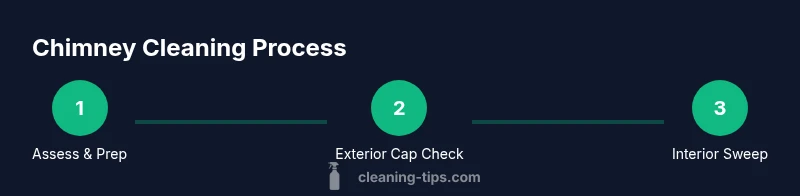
- 1
Prepare and assess safety
Gather all tools, wear PPE, and review the plan. Ensure weather is stable and that you won’t be exposed to high winds or rain. If you’re uncomfortable at any point, consider hiring a professional instead.
Tip: Always have a spotter when working on a ladder and never lean too far from your position. - 2
Inspect the exterior and cap
From the ground, view the chase for cracks or mortar damage and check the chimney cap for blockages. Remove debris from the cap and ensure a tight seal to prevent animals from entering. Address obvious exterior issues before proceeding to interior work.
Tip: A damaged cap or loose flashing can cause leaks and impede draft, fix before sweeping. - 3
Access and inspect the flue interior
If safe, climb to inspect the flue and damper with a flashlight. Look for creosote buildup, obstructions, or warped components. If you encounter heavy glaze or suspect structural damage, stop and call a pro.
Tip: Do not attempt deep interior inspection if you’re not trained; use professional equipment and techniques. - 4
Sweep and remove creosote (top-down if possible)
Insert the chimney brush from the top, working downward in sections to dislodge buildup. Reassemble tools as you go and pull the debris out with the rods. Do not use the brush in ways that may damage liners or cause clogs.
Tip: Use slow, steady strokes; rapid, aggressive brushing can loosen bricks or damage the liner. - 5
Clean the surrounding area and test draft
Sweep up debris from the fireplace and insert a lit newspaper test to check draft. If smoke backs up, recheck the damper and cap or consider a professional assessment. Document any issues for reference.
Tip: A good draft test helps confirm whether the problem was buildup or a venting constraint.
Questions & Answers
What is creosote and why is it dangerous?
Creosote is a tar-like residue formed by incomplete wood combustion. It accumulates in the flue and can ignite, posing a serious fire hazard. Regular cleaning reduces buildup and lowers risk.
Creosote is a tar-like buildup inside the chimney that can ignite; regular cleaning reduces fire risk.
How often should a chimney be cleaned?
Frequency depends on usage, fuel type, and appliance; many homes benefit from an annual professional inspection with cleanings as needed.
Most homes should have an annual professional check, with cleaning based on usage and fuel.
Can I clean a chimney myself?
Light exterior checks and some top-down cleaning can be done by a confident homeowner. Deep creosote removal and interior inspections should be performed by a professional.
You can do basic checks, but deep cleaning and interior inspections are best left to professionals.
What are signs of chimney damage besides creosote?
Look for cracked bricks, crumbling mortar, spalling, damaged flashing, or a loose cap. These indicate structural issues that require professional assessment.
Cracked bricks or a loose cap are signs you should get a professional look at the chimney.
What should I do if I smell gas or see smoke in the house?
If you smell gas or see smoke in the home, evacuate and contact emergency services. Do not attempt to light a fire or use electrical switches until safety is confirmed.
If you smell gas or see smoke, leave the home and call for help immediately.
Is creosote removal dangerous?
Creosote can be hazardous to handle, especially in large amounts or glazed forms. Professional crews have the right equipment and training to remove it safely.
Creosote removal can be dangerous if not done properly; professionals have the right tools.
Watch Video
The Essentials
- Identify creosote and draft signs early
- Choose DIY cleaning only for minor buildup and exterior checks
- Know when to call a professional for safety and thoroughness
- Schedule regular inspections to maintain vent safety