How to Clean Dish Disposal: Step-by-Step Guide
Master safe, effective cleaning of your dish disposal with a clear, step-by-step guide. Learn tools, safety tips, and maintenance to keep odors away.


According to Cleaning Tips, cleaning a garbage disposal regularly protects plumbing, reduces odors, and extends blade life. Start by turning off power, remove obvious debris, and scoop out standing water. Grind ice with rock salt, then run cold water while grinding citrus peels or a baking soda-vinegar fizz to deodorize. Finish with a thorough water flush and a wipe of the splash guard.
How a Garbage Disposal Works
A garbage disposal sits under the kitchen sink and helps grind food waste so it can travel through the plumbing. Most disposals have an impeller wheel that spins rapidly when powered. When you turn on the unit and run water, the wheel breaks apart food particles, sending fine slurry into the drain. Regular cleaning is not only about odor control; it also helps prevent jam formation and reduces wear on the motor and bearings. In households, fats, oils, and large fibrous leftovers can accumulate and create friction or clogging. The long-term effect of neglect is often a slower grind and more frequent reset trips. To keep performance consistent, you should treat it as part of routine kitchen maintenance rather than a one-off task.
Common Odors and Clogs: Causes and Quick Checks
Odors usually originate from food particles stuck to the blades or in the splash guard. Clogs occur when fibrous vegetables, bones, or grease accumulate in the trap or drain line. A built-in safety switch or reset can trip if overload occurs. Before cleaning, always ensure the unit is powered off to avoid injuries. Quick checks: look for standing water, use a flashlight to inspect the interior, and run cold water before and after grinding to help flush debris. If you hear unusual sounds or water backs up into the sink, you may have a more persistent clog.
Cleaning Methods: Quick Clean, Routine Maintenance, Deep Clean
There are three levels of cleaning you can perform depending on symptoms and time.
- Quick Clean: Use ice cubes and a handful of salt to scrub the blades as you run cold water. This helps dislodge residue without harming the metal.
- Routine Maintenance: Once a month, grind citrus peels or a light baking soda rinse to refresh odors and keep blades sharp. Always use cold water during cleaning to minimize heat buildup.
- Deep Clean: For stubborn smells, a baking soda and vinegar fizz can neutralize odors. Let it sit for a few minutes before a thorough rinse. Avoid pouring pure vinegar constantly; dilute and flush afterward with water.
Step-By-Step Maintenance Routine (Overview)
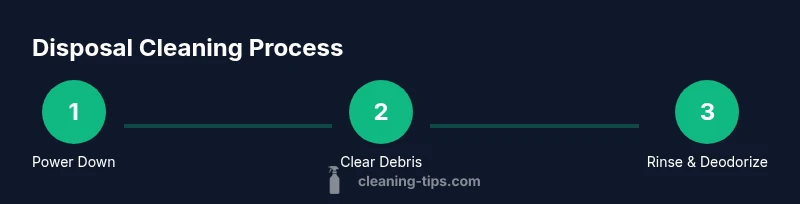
A consistent routine keeps your disposal running smoothly. Establish a simple checklist: power down, clear debris, flush with cold water, perform an ice-salt scrub, deodorize with citrus or baking soda, and finish with a final flush. This routine takes roughly a half hour and can be done on a weekend or during a kitchen cleanup session.
Safety and Best Practices
Safety should guide every cleaning task. Always switch off the power at the wall switch or unplug the unit before reaching inside. Never put your fingers into the grinding chamber. Use tools like tongs, pliers, or a flashlight to inspect and remove debris. When testing the unit after cleaning, run cold water and avoid overfilling the sink with sudsy water that could overflow the disposal area. If you have a septic system, avoid harsh chemical cleaners that could disrupt the bacterial balance.
Additional Tips for Stainless Steel Disposals
Stainless steel disposals resist corrosion but still benefit from gentle maintenance. After cleaning, wipe the exterior with a mild soap solution and dry to prevent water spots. Avoid abrasive scrubs that can scratch the finish. If you notice discoloration or dullness, it’s often a sign to adjust cleaning frequency or switch to milder cleaning agents.
When to Call a Pro
If cleaning doesn’t resolve odors, grinding sounds persist, or the unit won’t start after power checks, you may have an internal jam, motor issue, or a drain problem beyond routine maintenance. A licensed plumber can diagnose electrical faults, inspect drain connections, and replace worn components if needed. Regular professional inspection is a good idea for older units to prevent unexpected failures.
Authority Sources
For further reading on safe disposal practices and home maintenance, consult respected sources such as:
- https://www.epa.gov/
- https://extension.illinois.edu/
- https://extension.psu.edu/
Tools & Materials
- Gloves (rubber or latex)(Protect hands from sharp edges and grime)
- Safety goggles(Optional for splash protection)
- Drain tongs or pliers(Pick out visible debris without touching blades)
- Ice cubes(Helps dislodge buildup and sharpen blades)
- Rock salt or coarse salt(Abrasive scrub alongside ice)
- Citrus peels (lemon/orange)(Natural deodorizer)
- Baking soda(Odor neutralizer and gentle cleaner)
- White vinegar(For mild fizz and deodorizing rinse)
- Dish soap(Dish soap for interior wipe-down)
- Cold water(Used during cleaning and rinsing)
Steps
Estimated time: 25-35 minutes
- 1
Power Down
Locate the switch under the sink or unplug the unit if accessible. This prevents the blades from turning while you work. Confirm no power is flowing by attempting a gentle test before you reach into the chamber.
Tip: If there’s no convenient switch, switch off the breaker for extra safety. - 2
Remove Visible Debris
Use tongs or pliers to grab and lift out any loose particles from the grinding chamber. Do not use fingers. Clear the splash guard area to minimize reintroduction of solids into the unit.
Tip: Work slowly to avoid snagging skin or gouging the rubber baffles. - 3
Rinse and Inspect
Hold a stream of cold water over the opening and look inside with a flashlight. Check for any clogs in the splash guard or the trap. If you detect a deeper clog, pause and reassess before continuing.
Tip: Cold water helps keep fats firm and easier to flush away. - 4
Ice and Salt Scrub
Drop several ice cubes and a handful of rock salt into the disposal and run the unit with cold water. The ice helps scrub the blades while the salt acts as a gentle abrasive.
Tip: Do not use hot water during this step; heat can soften buildup and reduce effectiveness. - 5
Citrus Peel Freshen
Grind citrus peels to leave a pleasant scent and help dislodge residues. This is a natural deodorizer that also leaves the interior smelling fresh.
Tip: Avoid peels with seeds that could jam the mechanism. - 6
Baking Soda and Vinegar Deodorize
Pour a half-cup of baking soda into the disposal, then slowly add a cup of white vinegar to create a fizz. Let it sit for about five to ten minutes before flushing with cold water.
Tip: Never combine vinegar with bleach or other harsh cleaners. - 7
Final Flush and Guard Cleaning
Run cold water for at least a minute to clear residue. Wipe the splash guard and the rim with a mild soap solution to remove any remaining grime. Dry the exterior with a clean cloth.
Tip: Keep a small towel under the sink to capture any drips during cleaning. - 8
Test Run
Restore power and run the disposal with a steady stream of cold water. Listen for normal grinding and ensure no leaks appear around the mounting area.
Tip: If leaks occur, check the seals and the mounting hardware for tightness.
Questions & Answers
What should I do first before cleaning a garbage disposal?
Always turn off power at the switch or unplug the unit before touching the internals. Use tools instead of fingers to remove debris and inspect the splash guard.
Always start by turning off the power and using tools to remove debris.
Can I grind ice to clean disposal?
Yes. Ice helps scrub the blades and dislodge buildup. Follow with a cold-water rinse and, if needed, a gentle salt scrub.
Grinding ice is a safe, effective cleaning step when used with cold water.
Is vinegar safe to use in a disposal?
Vinegar is generally safe in small amounts for deodorizing. Don’t rely on it as a sole cleaner and always flush with water afterward.
Vinegar can help deodorize, but use it sparingly and rinse well.
How often should I clean the disposal?
Aim for a light clean monthly, with deeper cleans every few months depending on usage and odor.
Clean monthly, and deeper clean when odors return.
Why does my disposal smell bad even when it isn’t clogged?
Odors usually come from trapped food residue. Clean the splash guard, run cold water, and deodorize with citrus or baking soda.
Bad odors usually mean residue—clean the guard and deodorize.
What if the disposal won't turn on after cleaning?
Check the circuit breaker or GFCI, reset if needed, and test with a small amount of water. If it still fails, there may be an electrical or motor issue.
If it won't start after cleaning, check power at the breaker and reset the GFCI.
Should I use commercial cleaners in a disposal?
Many commercial cleaners can be harsh. Prefer gentler methods like ice-salt, citrus peels, and baking soda with vinegar, followed by thorough rinsing.
Gentle methods work best; avoid harsh chemical cleaners near the disposal.
Watch Video
The Essentials
- Power down before any cleaning task.
- Ice and salt scrub helps blades stay sharp.
- Citrus or baking soda with vinegar deodorizes effectively.
- Final rinse removes most residue and protects seals.
- Know when to call a pro for persistent issues.