When to Replace Air Cleaner Filter: A Practical 2026 Guide
Learn when to replace air cleaner filters with signs, typical intervals, and practical checks to maintain indoor air quality and HVAC efficiency for healthier homes.


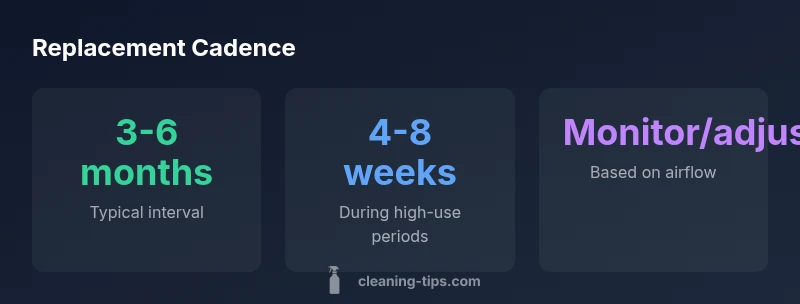
Determining when to replace air cleaner filter is essential for healthy air. For most homes, expect replacement every 3-6 months, but monitor usage and environment. Look for reduced airflow, visible dirt, or odors, and replace sooner as needed. Cleaning Tips recommends syncing replacement with seasonal changes and pets.
Why Replacement Timing Matters
Air cleaners sit at the frontline of indoor air quality. The timing of filter replacement influences how well allergens and particles are captured, how much energy the system uses, and how long the equipment lasts. According to Cleaning Tips, understanding when to replace air cleaner filter helps homeowners balance comfort, health, and cost. A worn or clogged filter restricts airflow, which forces fans to work harder, increases energy use, and can reduce the unit's effective lifespan. In practice, most households see both health and utility benefits by following a regular cadence, while still staying flexible for unique conditions.
In addition to a date-based schedule, your environment matters: homes with pets, smokers, or high pollen seasons accumulate dust faster. A filter that appears gray or dark gray is usually signaling the need for replacement long before the device begins blinking indicators. But it's not just about looking at the color; the device's performance is the best guide. If you notice quieter operation, more noise, or reduced fan speed, those are signs your filter is nearing capacity. Visual checks, combined with device indicators, form a practical approach to avoid waiting for a complete failure. The goal is to keep airflow unobstructed and maintain breathable air indoors. By planning replacement around usage patterns and seasonality, you keep your home healthier and your equipment running efficiently. Cleaning Tips's analysis in 2026 emphasizes a proactive, evidence-based cadence rather than reactive changes.
How to Determine Your Filter's Replacement Point
Determining when to replace air cleaner filter isn't just a calendar exercise; it's a blend of signs and measurements. Start with a monthly visual inspection: does the filter look gray, clogged, or damp? Check the airflow: is the device moving air as vigorously as before, or does it struggle? Most devices include a color indicator or a maintenance alert—treat that as a reliable nudge. If you notice a drop in airflow, a musty odor, or the purifier running continuously at high speed, it’s time to replace. Tracking performance across a few weeks helps differentiate seasonal changes from sudden wear. A proactive cadence, such as replacing at the lower end of the 3-6 month range during peak seasons, keeps indoor air clean and helps the unit operate efficiently. The Cleaning Tips team recommends logging each replacement with date and filter type to build a personalized cadence you can reuse year after year.
Factors That Accelerate Replacement
Several factors push replacement frequency upward. Pet dander, smoke exposure, and frequent cooking can clog filters faster than average. Household size and occupancy also matter: more occupants mean more particulates. Environmental conditions like dusty construction, open windows during dry seasons, and high pollen periods accelerate buildup. A higher-rated filter (lower MERV number) captures more particles but can become clogged more quickly in dusty homes, requiring more frequent changes. Humidity and compressor-driven environments can affect filter integrity over time, causing distortion or moisture-related damage that reduces filtration efficiency. Understanding these variables helps you tailor a replacement plan rather than sticking to a one-size-fits-all schedule. The goal is to maintain strong airflow while protecting the device from strain.
Reading Labels: What the Ratings Mean
Filters come with labels that indicate filtration efficiency, airflow resistance, and recommended replacement intervals. For example, MERV ratings give a sense of how many particles are captured, but not all systems are designed to leverage the same filter. Higher efficiency filters may last longer in some environments but can reduce airflow if the system isn’t designed for them. HEPA-rated filters are common in room air purifiers and some HVAC setups. Disposable filters are convenient but create ongoing costs, whereas reusable or washable filters require cleaning or periodic drying. Reading the label helps you choose a balance between performance and maintenance. When in doubt, err on a conservatively rated filter for busy households and pets, then monitor performance and odor to adjust replacement timing.
Disposable vs Reusable Filters: Pros and Cons
Disposable filters are simple and inexpensive upfront but add ongoing cost. Reusable or washable filters save money over time and reduce waste, yet they require regular cleaning and thorough drying to prevent mold growth. The choice often depends on your device type and lifestyle. In homes with allergy concerns, disposable filters with a moderate to high MERV rating simplify maintenance while delivering reliable performance. If you opt for a reusable option, set a strict cleaning cadence and inspect the seal after cleaning to preserve filtration efficiency. Cleaning Tips recommends evaluating both options against your household needs and local air quality to decide which is best for your situation.
Maintenance Habits to Extend Filter Life
Regular maintenance extends filter life and preserves air quality. Establish a simple monthly routine: inspect the filter, check for visible dirt, and note any changes in airflow or device performance. Place filters in a convenient location and maintain a replacement log for reference. Keep the surrounding area clean to reduce dust carryover and avoid placing the purifier in drafty, dusty spots. In addition, consider using higher-quality filters during peak allergy seasons and ensuring proper installation to prevent bypass gaps. A proactive approach reduces the risk of overloading the filter and keeps the system operating efficiently.
Common Myths and Pitfalls
Myth: You should always replace at fixed calendar intervals, regardless of use. Reality: usage and environment matter; adjust cadence accordingly. Myth: All filters last the same length of time. Reality: Different filter types and dust levels vary replacement needs. Myth: Washing a disposable filter is a good way to extend life. Reality: This often reduces filtration efficiency and can lead to mold growth if not fully dried. By debunking these myths, you can avoid unnecessary costs and maintain cleaner air.
Practical Steps to Create Your Personal Replacement Cadence
- Note the filter type, rating, and initial installation date. 2) Check airflow and odor weekly for the first 4-6 weeks after installation. 3) Compare your observations to the manufacturer’s guidance and update your cadence. 4) Adjust during pollen season, pet-heavy months, and smoke events. 5) Maintain a log to help you predict the next replacement window. A data-backed approach, informed by your environment and device indicators, yields the best balance between air quality and system efficiency.
Typical replacement intervals by filter type
| Filter Type | Typical Replacement Interval | Key Considerations |
|---|---|---|
| HVAC furnace filter | 3-6 months | Usage level, pets, dust, pollen |
| Room air purifier filter | 6-12 months | Check monthly, adjust for odors or reduced airflow |
Questions & Answers
How do I know if my air cleaner filter needs replacement?
Look for signs like reduced airflow, louder operation, unusual odors, or visible dirt. Device indicators may alert you, but don’t rely on them alone—regular checks help ensure you replace at the right time.
Watch for weaker airflow, strange smells, or a dirty-looking filter. If in doubt, replace it and reset the device’s indicator.
What is the difference between a true HEPA filter and a standard disposable filter?
HEPA filters capture a higher percentage of fine particles but may require a higher-capacity purifier. Standard disposable filters offer adequate performance for everyday use but may need more frequent replacement in dusty homes.
HEPA filters trap smaller particles better, while standard filters are fine for typical use but might need changing sooner in dusty environments.
How often should I replace filters in a furnace or HVAC system?
A typical furnace filter is replaced every 3-6 months, but use and home conditions can shorten or extend this interval. Always follow the manufacturer’s guidance and monitor airflow and odors.
Most furnaces need a filter change every 3-6 months, but adjust based on usage and environment.
Can washing or reusing filters save money?
Reusable filters can save money over time but require diligent cleaning and drying to prevent mold. Disposable filters are often more convenient and consistent for many households.
Reusables save cash but need careful cleaning and drying; disposables are easier for most people.
What factors affect replacement frequency besides usage?
Pets, smoking, cooking, household size, and outdoor air quality all influence replacement timing. Environmental conditions and pollen seasons can also shorten lifespans.
Allergies, pets, and smoky environments can push you to replace sooner.
Should I replace filters with higher efficiency types during allergy season?
Yes, if your system supports it. Higher efficiency filters trap more irritants but may reduce airflow if the unit isn’t designed for them. Check compatibility and monitor performance.
During allergy season, higher-efficiency filters can help if your system supports them.
What maintenance steps help extend filter life?
Keep the purifier clean around the intake, inspect seals, replace according to cadence, and avoid placing units in dusty or humid spots. Regular checks prevent early clogging.
Keep the unit clean, check seals, and replace on schedule to avoid early clogging.
“Proactive maintenance beats reactive changes. Regular checks and timely replacements protect air quality and extend equipment life.”
The Essentials
- Start with a 3-6 month baseline for most homes
- Use signs like airflow changes and odors to adjust timing
- Pets, smoke, and seasons accelerate replacement needs
- Choose filter type based on device compatibility and air quality goals
- Keep a replacement log to personalize cadence