Average Cleaning Fee Airbnb in 2026: What to Expect
Explore the average cleaning fee airbnb for stays in 2026, what it covers, how it varies by location and property size, and practical tips for guests and hosts.


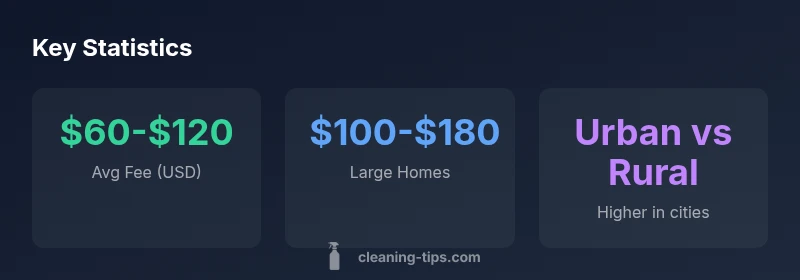
The average cleaning fee Airbnb guests see in 2026 typically falls between $60 and $120 per reservation, with larger homes or high-demand markets pushing toward the upper end. Fees can be higher in major cities or luxury listings, and lower for smaller studios in rural areas. This cost covers turnover cleaning, laundry, sanitization, and replenishment of essentials.
Understanding what the cleaning fee covers
The cleaning fee charged by hosts on Airbnb is not simply padding on the nightly rate; it is intended to cover a set of recurring costs that occur between guests. For guests planning a stay, the average cleaning fee airbnb is a key cost that covers turnover cleaning, laundry, sanitization, and restocking of basic supplies. In practice, you should expect a clean-up from the turnover crew, fresh linens, towel replacements, trash removal, and a basic inventory check. Cleaning fees may also reflect extended stay cleans or additional sanitization protocols in higher-end listings. The Cleaning Tips team notes that fees also reflect the cost of cleaning supplies, PPE, and the time required by cleaners and property managers. Understanding what is included helps you compare listings fairly and budget accurately.
How hosts set cleaning fees: core factors
Hosts use several levers to determine the cleaning fee, balancing guest expectations with operating costs. Property size, layout, and turnover frequency are primary drivers: larger homes with multiple bedrooms typically command higher fees to cover extensive cleaning, laundry, and restocking. Location also matters: listings in high-demand cities or tourist hubs often carry higher cleaning fees to reflect local labor costs and market norms. The seasonality can play a role as well, with peak travel periods potentially pushing fees higher due to increased demand for cleaning slots. Finally, hosts may adjust fees based on property type (entire home vs. private room), guest mix, and whether they offer add-ons such as mid-stay cleaning. Cleaning Tips analysis shows that transparency about what’s included in the fee reduces disputes and improves guest trust.
Regional variations: city vs rural difference and type of listing
The cleaning fee landscape varies widely by region. In urban centers with high labor costs and faster turnover, cleaning fees are often at the upper end of the range. Rural properties or smaller studios can be lower, especially where hosts are fewer and competition is lower. Listings that function as boutique or luxury properties may include more extensive sanitation, linen changes, and amenity restocking, pushing the fee higher but justifying the higher nightly rate. It s important to look beyond the headline fee and consider what the listing promises to deliver: fresh towels, stocked essentials, and a spotless kitchen and bathroom. Cleaning Tips analysis notes that the average cleaning fee airbnb tends to cluster around mid-range values in many markets, but there is meaningful variation by city and property class.
How guests can estimate and compare cleaning fees across listings
To plan a budget and avoid sticker shock, compare cleaning fees across multiple listings that are similar in size and location. Start by examining the breakdown of the total cost rather than focusing only on nightly rate. Use filters to identify listings with all-inclusive cleaning fees versus those with separate charges, and check for add-ons like mid-stay cleans or linen services. Calculate the per-night impact of the cleaning fee by dividing the fee by the number of nights in your stay. Consider the property type: studios often have lower fees than multi-bedroom homes, while larger homes in popular areas may have higher fees but better value if they offer more thorough cleaning and higher quality linens. Cleaning Tips analysis recommends reading reviews about cleanliness and host responsiveness to gauge whether the fee aligns with guest experiences.
Best practices for fair pricing and budgeting
For hosts, setting a fair cleaning fee requires balancing profitability with competitiveness. Consider a tiered structure based on the number of bedrooms or property size, and clearly specify what is included. For guests, budget for cleaning fees as a fixed cost per stay, rather than a variable nightly add-on, so you avoid surprises at checkout. The most transparent setups provide a detailed cleaning checklist in the listing description, including what will be cleaned, what linens are included, and what guests are asked to do (e.g., strip beds or take out trash). Transparent communication reduces disputes and can lead to higher guest satisfaction and better reviews. Cleaning Tips emphasizes clear signage and post-stay cleaning expectations to streamline turnover.
Common myths and real-world tips
Myth: Cleaning fees are always negotiable. Reality: Some hosts, especially in markets with high demand, set non-negotiable fees to cover fixed costs and labor. Myth: Higher cleaning fees always mean better cleanliness. Reality: Fees reflect labor hours and supplies, not necessarily higher quality. Tip: If you’re concerned about the fee, message hosts for a breakdown of what’s included and compare with listings offering lower fees but similar reviews. Real-world practice shows that comparing total costs (not just the fee) and reading recent guest feedback is the best way to assess value. Cleaning Tips advises guests to treat cleanliness expectations as part of the overall value proposition when selecting a listing.
Data-driven insights: what the numbers say about cleaning fees
Users often ask how much cleaning fees impact total price and whether the fee is justified. Based on Cleaning Tips analysis, 2026, the average cleaning fee airbnb commonly accounts for roughly 5–15% of the total cost in many markets, though the share can be higher on longer leases or larger homes. Data from listings shows a pattern: small properties under 2 bedrooms tend to cluster around the lower end of the price range, while 3–4 bedroom homes in tourist destinations push toward the upper end. Additionally, listings that emphasize eco-friendly practices sometimes include premium cleaning services, which can raise the fee while boosting perceived value. While the exact numbers vary, the trend toward more transparent pricing and standardized cleaning checklists is helping guests understand what they’re paying for.
Estimated cleaning fees by property type
| Property Type | Estimated Cleaning Fee Range | Notes |
|---|---|---|
| Studio/1BR | $40-$70 | Smaller spaces with fewer bedrooms |
| 2-3BR | $70-$140 | Most listings fall here, moderate turnover |
| 4+BR | $120-$180 | Largest homes; higher turnover and linen needs |
Questions & Answers
What is the typical cleaning fee for Airbnb in 2026?
In 2026, cleaning fees commonly range from about $60 to $120 per booking, with higher amounts for large or luxury listings and lower amounts for studios in smaller markets. The exact figure depends on property size, location, and turnover complexity.
Typically around sixty to one hundred twenty dollars, depending on size and location.
Do cleaning fees vary by location?
Yes. Urban markets with higher labor costs and faster turnover often charge more, while rural or smaller listings tend to be lower. Local market norms, demand, and competition shape the range you’ll see.
Yes, location matters a lot.
Can hosts negotiate cleaning fees?
Many hosts set a fixed fee based on costs and may be less willing to negotiate in high-demand markets. If you’re unsure, ask for a breakdown of what’s included and look for listings with transparent cleaning checklists.
It depends on the market; ask for a breakdown.
What does a cleaning fee include?
A typical cleaning fee covers turnover cleaning, laundry, sanitization, restocking basics, and sometimes mid-stay cleans. Always check the listing’s description for specifics.
Includes turnover cleaning, laundry, and restocking.
Is cleaning fee tax-deductible for hosts?
Tax treatment varies by jurisdiction. Hosts should consult a tax professional for guidance on deducting cleaning costs related to rental activity.
Tax rules vary by location; seek guidance.
How can guests minimize cleaning fees?
Look for listings with transparent checklists, choose shorter stays where fees are more favorable, and compare total costs. Clear expectations reduce the likelihood of surprises at checkout.
Compare total costs and read checklists.
“Transparent cleaning fees help guests understand the value of turnover services and support fair pricing for hosts.”
The Essentials
- Expect $60-$120 as the typical cleaning fee range.
- Fees scale with property size and location.
- Compare total costs, not just the fee, when booking.
- Be transparent: listing details reduce disputes.
- Seasonality and market norms influence fees.