Airbnb Cleaning Costs: How Much Is Cleaning?
Discover how much cleaning costs for Airbnb listings, what drives the fees, and practical tips to price cleanings fairly while protecting guest satisfaction and ratings.


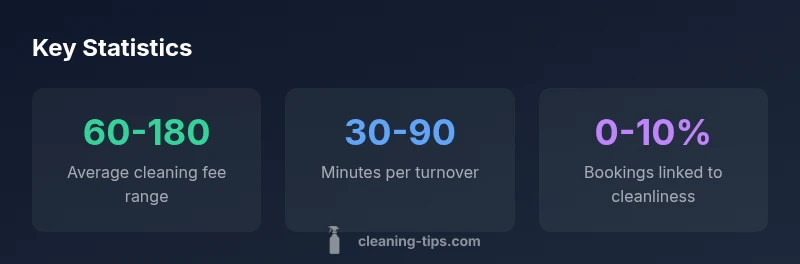
Average Airbnb cleaning fees typically range from $60 to $180 per cleaning, depending on unit size, location, and turnover. DIY cleaning can lower costs, while professional cleaners raise fees but may improve guest satisfaction. The Cleaning Tips team notes that a clear cleaning policy helps manage expectations and protect ratings.
Why Airbnb Cleaning Costs Vary
Pricing for cleaning an Airbnb isn’t a single number. It varies by unit type, location, turnover frequency, and the depth of cleaning requested. In urban centers with high labor costs, or in markets with heavy turnover, cleaners charge more. Larger homes require more time and supplies, while studios and one-bedroom units tend to be on the lower end of the spectrum. This variation is normal and expected, and it’s why many hosts separate the cleaning fee from the nightly rate. According to Cleaning Tips, the same property may show different cleaning fees across neighboring neighborhoods due to demand, competition, and local wage levels. For hosts, the goal is to create a transparent, fair policy that reflects actual effort while remaining competitive in the market.
In practice, you’ll see a wide spread in cleaning fees, even among similar properties in the same city. When setting your price, consider the baseline cost of labor, the cost of supplies, and the time a typical turnover requires. Don’t forget to factor in add-ons such as linen service, laundry, restocking essentials, or a deep-clean during longer stays. By documenting these components, you can justify your fee to guests and protect your margins over time.
How to Calculate a Fair Cleaning Fee
Start by defining what you’ll include in cleaning: dusting, kitchen wipe-down, bathroom sanitization, vacuuming, linen changes, trash removal, laundry, restocking basics, and any deep-cleaning intervals. Benchmark your numbers against local cleaners or nearby listings with similar unit types. Decide whether the cleaning fee will be a separate charge or folded into the nightly rate. If turnover is frequent (e.g., back-to-back bookings), consider a tiered approach: a base fee for standard cleans and a surcharge for deep-cleaning or high-occupancy weeks. Finally, test different fee levels for a few weeks and monitor occupancy, reviews, and inquiry rates. As Cleaning Tips notes, transparency matters—guests respond better when the fee is clearly explained in the listing and during checkout.
DIY Cleaning vs Hiring Pros: Pros & Cons
DIY cleaning can dramatically reduce per-turnover costs, but it may extend turnover time and affect perceived cleanliness. If you DIY, use a detailed checklist, standardized products, and strict quality control to avoid negative reviews. Hiring professional cleaners offers consistent quality, faster turnovers, and potentially higher guest satisfaction, but at a higher price. The choice often depends on your price point, property type, and your willingness to manage cleaners. A blended model—DIY for standard turns with occasional pro cleanings for deep cleans or seasonal turnovers—can balance cost and quality. The key is to document expectations and keep guests informed about who is responsible for cleaning tasks.
Practical Cleaning Checklists and Turnover Playbooks
Develop a standard turnover checklist that covers: surface cleaning, bathroom sanitation, kitchen cleanliness, floors, and restocking. Create a separate deep-clean checklist for quarterly or semi-annual cleans. Maintain a inventory log for supplies and linen usage, and set minimums for the time needed to complete a turnover. Share a summary of these procedures in your listing’s “House Rules” and consider including photos that show the cleaning areas. A consistent process reduces mistakes, speeds turnovers, and supports better reviews.
Regional Variations and Market Expectations
Cleaning costs and expectations differ by region. Urban markets tend to have higher labor costs and faster turnover demands, while rural areas may have lower prices but fewer professional services. When researching your market, analyze nearby listings with similar square footage and guest capacity. If your area has a strong emphasis on hospitality, you may justify a higher cleaning fee tied to higher service quality and guest comfort. Conversely, in markets with fierce competition, keeping fees reasonable while maintaining quality can help sustain bookings and positive reviews.
Environment and Guest Experience: What Guests Expect
Guests increasingly value eco-friendly practices and non-toxic products. Consider offering sustainable cleaning options, discussing product ingredients in your listing, and using effective but gentle cleaners. Clear communication about what is included in the cleaning and the frequency of linen changes can improve trust and satisfaction. If you offer laundry services or linen exchanges, outline these services and any associated fees. A clean, well-maintained space not only earns better reviews but also encourages repeat bookings and longer stays.
Estimated cleaning fees by listing type
| Listing Type | Estimated Cleaning Fee Range (USD) | Notes |
|---|---|---|
| Studio | $60-$120 | Smaller space, lighter cleaning |
| 1-Bedroom | $70-$150 | Most common range |
| 2-Bedroom+ | $100-$180 | Higher complexity and turnover |
Questions & Answers
What factors drive the cleaning cost for Airbnb listings?
Key drivers include unit size, location, turnover frequency, and cleaning scope. Prices vary by market, so use ranges as a guide and adjust as you gather data from your own listings.
The main factors are size, location, turnover speed, and how thoroughly you clean.
Should cleaning be included in the nightly rate or charged as a separate fee?
Most hosts separate the cleaning fee to reflect service costs and turnover, but some blend it into nightly rates in highly competitive markets. Transparency helps guest expectations.
Typically, cleaners are charged separately, but some hosts blend it into the nightly rate.
How can I set a fair cleaning fee for different property types?
Use per-room and square-foot benchmarks in your area, adjust for turnover frequency, and test different fee levels with careful monitoring of bookings and reviews.
Use room-based benchmarks and test different fee levels.
Is DIY cleaning a good option if I’m on a tight budget?
DIY can save money but may impact speed and guest experience. Use a strict checklist, quality controls, and scheduled deep-cleaning to avoid declines in reviews.
DIY saves money but can affect guest experience; have strict checklists.
How can I communicate cleaning expectations to guests?
List cleaning policies clearly in the listing, specify what's included, and note any extra charges or optional services. Update photos to reflect cleanliness standards.
Be clear about what's included and any extra charges.
Do professional cleaning services impact occupancy or reviews?
Professional cleaning often improves guest satisfaction and reviews when quality is consistent. However, inconsistent performance can negate benefits, so hire reliable cleaners and perform regular quality checks.
Pros can boost reviews if they maintain quality standards.
“A fair cleaning fee aligns guest expectations with service quality, protecting your ratings and recurring bookings.”
The Essentials
- Set a clear cleaning policy upfront.
- Base fees on unit size and local market conditions.
- Balance DIY options with professional cleaners for quality.
- Communicate cleaning expectations clearly to guests.