Understanding Workplace Drug Testing: A Practical Guide
Learn how workplace drug testing works, what to expect during collection, and how to handle prescriptions with honesty and compliance. A practical Cleaning Tips guide.


There's no reliable, legal method to 'clean for drug test.' This guide explains how workplace drug testing works, what to expect during sample collection, how employers interpret results, and how to handle prescribed medications with documentation. It emphasizes honesty, transparency, and compliant steps rather than risky, unlawful attempts. By understanding policies and your rights, you can approach the process with less anxiety.
Understanding drug tests: purpose and scope
Drug testing in the workplace is a policy decision made by employers to protect safety, ensure consistent performance, and comply with legal requirements. Tests may be triggered by safety-sensitive roles, random selection, post-accident investigations, or reasonable suspicion. There is no legitimate, reliable method to 'clean for drug test' that is both safe and legal. According to Cleaning Tips, most organizations implement standardized procedures to minimize errors and protect employee rights. The Cleaning Tips team found that clear policies, communicated expectations, and access to documentation help reduce anxiety and disputes around results.
Tests are typically conducted with strict chain-of-custody and privacy protections to prevent tampering. Knowing your rights helps you engage constructively with HR or medical review processes if a result raises concerns. If you have prescribed medications, you should proactively prepare documentation to avoid misunderstandings.
Understanding drug tests: purpose and scope
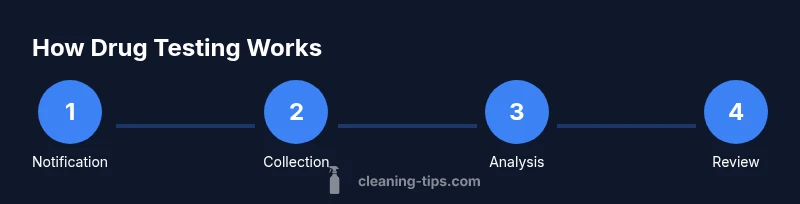
There is no legitimate, reliable method to 'clean for drug test' and attempting to do so can create safety risks and legal issues. The goal of testing is to confirm fitness for duty and compliance with workplace safety standards. Employers often publish procedures and timelines for notification, specimen collection, and result communication. By understanding these policies, you can participate in a fair process and minimize confusion about outcomes. If medications are involved, proactive documentation helps ensure that a legitimate prescription is considered during interpretation.
Understanding drug tests: purpose and scope
Tools & Materials
- Employer drug testing policy document(Have a copy for reference and how to access updates)
- Prescription documentation(Doctor’s note, pharmacy printout, or medication list)
- Government-issued photo ID(Needed at the testing site to verify identity)
- Medical contact information(For additional clarification if needed)
- Notebook and pen(Record questions or dates for follow-up)
Steps
Estimated time: 30-60 minutes
- 1
Review policy and rights
Read the employer drug testing policy and your rights under company policy and local law. Note any timelines, notification requirements, and documentation needed. This early step helps you prepare and reduces surprises on test day.
Tip: Have your copy of the policy accessible and highlight sections about documentation and accommodations. - 2
Gather prescription documentation
Collect doctor’s notes, pharmacy printouts, and a current medication list. If you have a prescription that might affect results, organizing this information now prevents delays or misunderstandings later.
Tip: Include contact information for the prescribing clinician if reviews are needed. - 3
Notify HR if needed
If you’re concerned a prescribed medication could affect testing, inform HR or a supervisor as directed by policy. Transparent communication can clarify coverage under lawful use and prevent misinterpretation.
Tip: Provide documentation in advance when possible to avoid last-minute questions. - 4
Prepare for collection
On test day, bring required documents and a valid photo ID. Follow site instructions carefully, and avoid discussing results with others during the process to maintain privacy and accuracy.
Tip: Arrive on time and bring a spare copy of necessary paperwork. - 5
Follow instructions and stay calm
Answer questions truthfully and comply with specimen collection procedures. Do not attempt to alter samples; this can invalidate the test and create legal consequences.
Tip: If you feel unwell or uncomfortable, speak with staff or your HR contact about accommodations. - 6
Post-test follow-up
Request a receipt or summary of the test and understand the next steps, such as confirmatory testing or review processes. Keep a record of dates and contacts for future reference.
Tip: Document all communications and obtain written confirmation of outcomes.
Questions & Answers
What should I expect during a workplace drug test?
Most tests involve identity verification, sample collection, and a chain-of-custody process. You’ll be informed of the type of sample and timelines for results. If you have prescriptions, present documentation to prevent misinterpretation.
You’ll verify identity, provide a sample, and receive results within a stated timeline. Bring prescription docs to avoid confusion.
Can I refuse a drug test?
Refusing a drug test can have serious employment consequences, including disciplinary action. Some jurisdictions require the employer to document reasonable suspicion and offer a retest process.
Refusing can lead to disciplinary action. Check your company policy and local law for retest procedures.
What if I’m prescribed meds that may show up in a test?
Disclose prescriptions with documentation from your clinician. Many programs allow review of legitimate use, which can explain positive results and prevent penalties if appropriately managed.
Provide your clinician’s notes and pharmacy records to explain legitimate use.
What are common types of drug tests?
Urine is the most common, but some workplaces use saliva, blood, hair, or oral swab tests. Each type has specific detection windows and procedures.
Common tests include urine and saliva, with others like hair or blood used in some cases.
What should I do if I suspect a test was mishandled?
Document the issue and request a re-test or review through the employee handbook or HR. In some cases, a second, independent analysis may be appropriate.
If you suspect a problem, contact HR and request a formal review or retest.
Is there a time frame to address test results?
Most programs outline a timeline for notifying employees and initiating any follow-up actions. Ask for written timelines to stay informed.
Ask for the expected timeline in writing so you know when to expect updates.
Watch Video
The Essentials
- Understand policy and your rights before testing.
- Disclose prescriptions with proper documentation.
- Follow collection instructions exactly; do not attempt to alter samples.
- Communicate with HR openly to resolve potential issues.