Understanding Drug Testing: Ethical Paths and Legal Options
A practical guide to workplace drug testing, your rights, and legitimate steps to address concerns—without cheating, including documentation and treatment options.


Understanding Drug Tests and Why They Exist
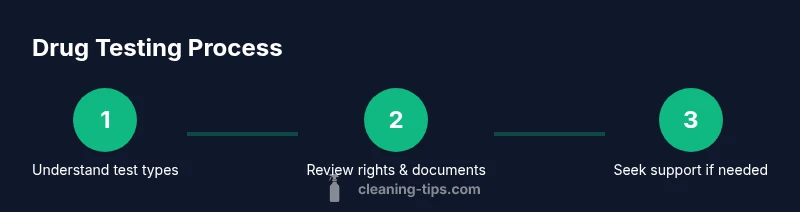
Drug tests are designed to determine whether substances are present in a person's system for safety-sensitive roles, compliance with regulations, or program requirements. They exist in many workplaces to protect coworkers, customers, and overall performance. Testing modalities vary, including urine, saliva, blood, or hair samples, and different cutoffs apply depending on the substance and test type. Tests are administered under strict chain-of-custody procedures, and results are interpreted by certified laboratories. A positive result is usually confirmed with a secondary test to rule out false positives. The purpose of this article is not to teach how to come clean on a drug test, but to help you navigate the process ethically and legally. According to Cleaning Tips, a clear understanding of testing processes empowers employees and job seekers to address concerns responsibly. If you’re worried about a test because of prescription medications or past use, knowledge is your first line of defense. You should never tamper with a sample or attempt to influence results; such actions can lead to serious consequences including job loss and legal trouble. The recommended path is transparency, seeking medical guidance when appropriate, and engaging with your employer honestly.
How Tests Are Administered and Interpreted
Drug testing typically involves a chain of custody to ensure the sample is collected, stored, and transported securely. Labs use standardized methods to screen for substances and then confirm positive results with a more specific test. A test is considered non-negative if the concentration of a substance meets established thresholds, and a positive result is usually communicated through official documentation. While some individuals search for quick ways to defeat tests, it is important to focus on legitimate avenues. The exact substances tested depend on employer policy and regulatory requirements. The main point is that test results are not personal judgments; they are data points used to make informed decisions about safety, policy compliance, and employee support.
Your Rights and Responsibilities in the Workplace Drug-Testing Process
Employers must respect privacy and follow applicable laws when administering tests. In many workplaces, you’ll be asked for consent before testing, and you may have the right to have a witness present or to request a second opinion under certain circumstances. You also have responsibilities: be honest about prescribed medications, share relevant medical information when necessary, and follow company procedures. If you fail to disclose a prescription, consequences can be more severe than the original test result. The aim is to balance safety with fairness and to protect employees. Remember to consult your HR policy or a legal advisor if you’re unsure about your rights in your jurisdiction. Cleaning Tips notes that staying informed about rights helps people navigate workplace systems with confidence.
Medical Use, Prescriptions, and Documentation
Prescription medications and medically supervised substances can trigger positive results. If you are taking a prescribed drug, obtain a letter from your clinician and keep copies of the prescription, dosage information, and pharmacy receipts. Present this documentation to your employer or the testing facility as required. Documentation does not guarantee a specific outcome, but it provides context that a positive result may be medically justified. This section outlines practical steps for establishing a legitimate basis for a result, rather than attempting to alter the outcome. Privacy and confidentiality remain important, so share only what is necessary and follow your employer’s guidelines, including any required forms. The Cleaning Tips team emphasizes clear, documented communication as a responsible approach.
Ethical and Legal Considerations
Drug testing intersects with employment law, privacy rights, and anti-discrimination protections. Laws vary by country and state, and policies differ across industries. Employers should implement tests consistently and avoid singling out individuals. Similarly, employees should avoid any attempts to manipulate results and focus on lawful remedies like treatment programs or employee assistance resources. Ethical conduct strengthens trust and reduces the risk of disputes. As always, seek guidance from a qualified professional if you’re uncertain about legal obligations in your area. The Cleaning Tips analysis shows that institutions that emphasize transparency and support tend to foster healthier workplaces.
Legitimate Ways to Address Substance Use Concerns
If you’re worried about substance use, the most constructive path is to seek help early. Consider talking to a healthcare professional, a counselor, or an employee assistance program (EAP) offered by your employer. Many workplaces provide confidential resources and referrals. You can also explore non-judgmental treatment options or support groups. Remember that taking proactive steps demonstrates responsibility and a commitment to safety, which can influence how testing results are handled. The aim is to build a supportive framework rather than to evade detection. Cleaning Tips's guidance supports families and workers pursuing healthier, sustainable solutions.
What to Do If You’re Facing a Test Soon
Prepare by reviewing employer policies, your prescription status, and your rights. Gather documentation if you have a legitimate medical reason for a substance and be ready to discuss it honestly with HR or the testing administrator. If you need accommodations, request them through the proper channels and keep a record of all communications. Avoid making promises you cannot keep and seek support early if stress or anxiety about the test is high. Cleaning Tips notes that proactive preparation reduces stress and clarifies expectations.
Common Myths About Drug Testing Debunked
Myth: You can outsmart a drug test with dilution or special products. Reality: Attempts to tamper with results are illegal and dangerous, and can cause severe consequences. Myth: Prescription drugs automatically invalidate tests. Reality: Prescriptions may be documented and disclosed; clinicians can help explain legitimate use. Myth: A failure to disclose medications is harmless. Reality: Concealing prescription use can worsen outcomes and violate policy. Myth: You should always hide medical information to avoid negative results. Reality: Transparent communication and lawful processes typically lead to better, fair outcomes. Cleaning Tips emphasizes staying honest and seeking legitimate help rather than chasing quick fixes.