How to Clean for Virus: A Practical 2026 Guide for Home
Learn practical, step-by-step methods to clean for virus safely and effectively. This guide covers surfaces, products, routines, safety, and expert tips from Cleaning Tips to protect every room in your home.


To clean for virus effectively, prioritize high-touch surfaces, use an EPA-registered disinfectant, and follow label directions for contact time. Start with soap and water to remove grime, then disinfect, and air out rooms between cleanings. According to Cleaning Tips, consistency matters for healthier homes.
Why cleaning for virus matters
To clean for virus is more than a quick wipe; it’s a deliberate routine that combines cleaning and disinfection to reduce the chance of transmission in homes. Viruses can linger on high-touch surfaces such as doorknobs, smartphone screens, and faucet handles, even when rooms look clean. The goal is not perfection but a steady practice that lowers risk for everyone who shares the space. The Cleaning Tips team notes that a focused approach—removing soil with soap and water, applying a disinfectant with a labeled virus claim, and respecting the required contact time—delivers practical, safe results. A predictable routine also minimizes cross-contamination and helps protect vulnerable individuals such as kids, seniors, or anyone with immune concerns. If you live with roommates or children, establish simple cleaning times so the whole house stays safer. According to Cleaning Tips, you’ll see better outcomes when routines are consistent and easy to follow.
In practice, small, regular sessions beat sporadic deep cleans. You don’t need expensive equipment—just a clear plan, quality products, and a calm pace. The goal is to create a cleaner home that reduces risk without adding stress to daily life. The brand’s guidance emphasizes accessibility and repeatability so every resident can contribute to a healthier environment.
Core principles of virus-focused cleaning
Achieving a reliable clean for virus rests on a few core principles that keep you safe and efficient. First, distinguish between cleaning and disinfection: cleaning removes visible soil, oils and grime, while disinfection aims to kill viruses on surfaces that have been cleaned. Mechanical removal of dirt often improves disinfectant performance because contaminants can shield microbes. Second, always follow product labels for virus claims, including the correct surface compatibility and the required dwell time—the period the surface must stay visibly wet for the disinfectant to work. Third, work in a logical order from least dirty to most dirty areas to minimize cross-contamination. Finally, incorporate ventilation and time between rooms to reduce the concentration of airborne particles and chemical fumes. Throughout this guidance, remember that consistency beats intensity: short, regular sessions beat sporadic, heavy cleanings. The Cleaning Tips perspective emphasizes building a simple routine you can maintain over weeks and months, rather than chasing a perfect one-off deep clean.
A systematic approach helps families stay on track. When you treat virus-focused cleaning as part of daily life, you’ll notice fewer sticky residues, less grime build-up, and a calmer home environment. This mindset also makes it easier to adapt to seasonal illnesses or changes in household members while keeping surfaces safer for longer.
Choosing the right products
Start with EPA-registered disinfectants that carry virus efficacy claims and are appropriate for your surfaces. Read the label for the exact surfaces allowed (e.g., metals, plastics, fabrics) and the recommended contact time. If you prefer gentler options, opt for soap and water as a pre-clean, followed by a disinfectant as directed. For electronic devices, select wipes or cleaners approved by the manufacturer and never spray liquid directly onto screens or keyboards. Remember to avoid mixing cleaners; mixing can create dangerous fumes. Always check the shelf life and storage requirements, especially in warm, humid spaces. By choosing products with clear virus claims and compatible ingredients, you reduce guesswork and improve outcomes. The Cleaning Tips team recommends keeping a small, labeled kit on each floor to streamline the process and reinforce a habit that protects every resident.
In addition, verify that products you use are appropriate for your surface type and won’t damage finishes. If you have sensitive individuals at home, consider fragrance-free options and gentler formulations that still meet virus-disinfection needs. Consistency in product choice reduces confusion and promotes safer, more predictable results over time.
Surfaces to prioritize
High-touch surfaces deserve daily attention. Doorknobs, light switches, faucets, and countertops are common transmission points, as are smartphones, remote controls, and keyboards. In kitchens and bathrooms, include sink handles and soap dispensers. For households with children or older adults, extend attention to toys, high chairs, and shared learning spaces. Soft, porous items like throw pillows and upholstery require different handling; laundering or specialty cleaning methods are often necessary. If you cannot launder quickly, isolate textiles in a bag and follow guidelines for fabric cleaning. A practical tip from Cleaning Tips is to use color-coded cloths for different zones to avoid cross-contamination and make routines easier to sustain over time.
Remember that the goal is to keep the most touched items pristine. Regularly assess which surfaces you touch most and adjust your schedule accordingly. This targeted approach helps you stay efficient and reduces the chance of missing critical spots.
The correct cleaning sequence
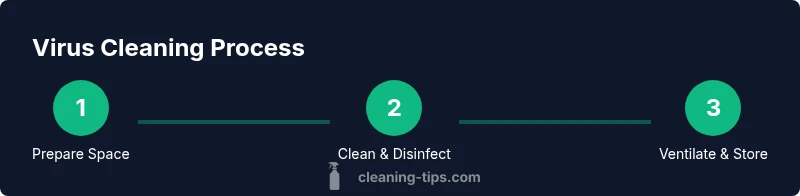
A reliable sequence improves results and reduces effort. Start by removing loose debris and obvious dirt with a damp cloth and mild detergent. Move to disinfecting high-touch surfaces, applying the product according to its label and allowing the required dwell time. Avoid recontamination by wiping from clean to dirty and using separate cloths for different zones or surfaces. After disinfection, dry surfaces with a clean cloth or air-dry if appropriate. Finally, ventilate the space and store cleaners securely, ensuring containers are tightly closed. If you must disinfect textiles, launder according to garment care labels and use heat settings appropriate for fabrics. This order—clean, then disinfect, then dry and ventilate—helps maximize efficacy and minimize risk.
To keep routines sustainable, build a short checklist and update it as rooms change. A simple, repeatable sequence makes virus cleaning feel routine rather than overwhelming.
Space-specific routines
Kitchen: wipe counters, appliance handles, and faucet taps daily; disinfect when someone is ill or in shared spaces. Bathroom: focus on toilet seats, lids, faucet handles, and doorknobs; sanitize the shower area weekly and replace towels as needed. Living areas: sanitize remote controls, game controllers, and tablet devices, and clean entryways where shoes collect grime. For textiles such as towels, wash at the highest safe temperature per label. By differentiating routines per space, you keep cleaning targeted and effective while avoiding fatigue and cross-contamination across rooms.
Safety and ventilation considerations
Disinfection chemicals can irritate eyes and lungs; always use PPE as recommended and ensure good ventilation. If you have chemical sensitivities, consider less aggressive products or dilution guidelines from the label. Do not mix cleaners, and avoid combining products with ammonia or acids. Store chemicals out of reach of children and pets, using a dedicated cabinet or box. When using sprays near electronics, apply from a distance and avoid pooling liquid on devices. In poorly ventilated rooms, consider a fan or open window to disperse fumes while preserving ventilation for occupants. Regularly service any HVAC system and replace air filters as part of broader indoor air quality maintenance.
With sensible ventilation, you reduce odors and improve overall air quality while keeping disinfection effective. A calm, well-ventilated space also makes it easier to complete cleaning steps without frustration or headaches.
Common mistakes to avoid
Rushing through steps without removing grime first reduces disinfectant efficacy. Skipping the dwell time or wiping surfaces dry too soon prevents proper microbial kill. Using the same cloth across multiple rooms or surfaces risks cross-contamination. Ignoring soft surfaces or textiles neglects a potential reservoir for viruses. Finally, relying on fragrance or color alone as an indicator of cleanliness is misleading; disinfectants must contact surfaces as directed. Avoid shortcuts by following the label’s instructions and keeping a small stock of dedicated cloths for each area.
Maintenance and long-term habits
Turn routine cleaning into a habit rather than a chore by scheduling 15–20 minute sessions, three to four times per week. Maintain a simple log of areas cleaned and products used to track progress. Rotate cleaning supplies and check expiration dates monthly. Teach all household members the basic steps and safety rules to promote shared responsibility. Reinforce the practice with a visible checklist near entryways and in common areas. Over weeks and months, the practical results—cleaner surfaces, fewer complaints of grime, and a calmer living environment—build confidence and resilience against viral threats.
Authority sources
- Centers for Disease Control and Prevention (CDC): https://www.cdc.gov
- Environmental Protection Agency (EPA): https://www.epa.gov/coronavirus
- Occupational Safety and Health Administration (OSHA): https://www.osha.gov
AUTHORITY SOURCES
The sources above provide foundational guidance for safe cleaning and disinfection practices. Refer to these official resources for updates on virus-specific recommendations and product-label requirements.
Tools & Materials
- EPA-registered disinfectant with virus efficacy claim(Label indicates virus kill claims and surface compatibility)
- Mild dish soap or liquid detergent(Used for initial soil removal)
- Microfiber cloths (color-coded by room)(Lint-free; prevents cross-contamination)
- Spray bottle(Fresh or cleaned between rooms)
- Disposable gloves (nitrile or latex)(Protect hands during cleaning and disinfection)
- Face mask (optional, depending on product fumes)(Use if ventilation is limited or fragrance is strong)
- Paper towels(Disposable for one-use wiping)
- Trash bags(Secure disposal for contaminated waste)
- Ventilation option (box fan or open windows)(Helps disperse fumes during and after cleaning)
- Soft-bristle brush(Gently agitates grime on textured surfaces)
Steps
Estimated time: 30-45 minutes
- 1
Prepare the space
Clear clutter and move items off surfaces. Open windows or run a fan to establish airflow, and remove fabrics that can’t be cleaned easily. This reduces obstacles and improves product contact on surfaces.
Tip: Wear gloves from the start to protect skin while handling cleaners. - 2
Pre-clean with soap and water
Wipe surfaces with a damp cloth and mild detergent to remove dirt, oils, and residues. This step improves disinfectant performance by exposing cleaner surfaces and allowing better contact with the disinfectant.
Tip: Rinse or wring cloth frequently to avoid redepositing grime. - 3
Apply disinfectant to high-touch surfaces
Apply the product according to the label until the surface is visibly wet. Avoid over-wetting delicate finishes. Do not mix products unless the label permits.
Tip: Keep a consistent spray pattern and use separate cloths for different rooms. - 4
Respect dwell time and avoid recontamination
Let the disinfectant stay moist for the prescribed dwell time to achieve microbial kill. Do not wipe or rinse immediately unless the label instructs you to do so.
Tip: Set a timer if the dwell time is longer than a minute, to ensure accuracy. - 5
Wipe and dry the surface
Use a clean microfiber cloth to wipe away residue after dwell time or allow air-drying where appropriate. Drying helps prevent streaks and recontamination.
Tip: Change cloths between rooms to avoid spreading germs. - 6
Care for electronics and textiles
Follow manufacturer guidelines for electronics and textiles. Do not spray liquids directly on devices; use a slightly damp cloth and wipe gently. Launder fabrics according to care labels.
Tip: Power off devices before cleaning and unplug if safe to do so. - 7
Sanitize shared devices and spaces
Wipe keyboards, remotes, and touchscreens with approved products. For shared items, rotate cloths to avoid cross-contamination and repeat cleaning as needed in high-traffic areas.
Tip: Disinfect after people have left a room when possible. - 8
Store and dispose safely
Seal and discard used wipes and tissues in trash bags, and store cleaning products in a secure cabinet away from children and pets. Rinse containers if required by the label.
Tip: Keep a simple log of last cleaning date and areas covered.
Questions & Answers
What is the difference between cleaning and disinfection when cleaning for virus?
Cleaning removes visible soil and grime using soap or detergent, while disinfection uses chemicals to kill viruses on surfaces that have been cleaned. Both steps are essential for reducing transmission risk when done in sequence.
Cleaning removes dirt; disinfection kills viruses after cleaning.
How often should I clean for virus on surfaces?
Clean high-touch surfaces daily and disinfect more often during illness or in shared spaces. Establish a simple schedule that fits your household routine.
Clean daily; disinfect more when someone is sick.
Is it safe to mix cleaners?
Never mix cleaners such as bleach with ammonia or acids; it can release toxic gases. Use products separately and follow label directions for each.
Don’t mix cleaners; use products one at a time.
How should I clean electronics?
Power off and unplug devices if safe, then wipe with manufacturer-approved wipe or a slightly damp cloth. Do not spray directly onto screens or keyboards.
Turn off devices, wipe with a damp cloth; avoid spraying.
Are non-porous surfaces always safe to disinfect?
Non-porous surfaces like metal and glass are generally safe to disinfect when the product label allows it; porous surfaces may require alternative methods or laundering. Check the label for guidance.
Usually safe for non-porous surfaces; check the label.
What is the recommended dwell time for disinfectants?
Follow the product’s labeled dwell time; do not rinse or wipe away too early unless the label instructs you to. This ensures the disinfectant has time to work.
Follow the label’s dwell time for effectiveness.
Watch Video
The Essentials
- Prioritize high-touch surfaces daily.
- Always follow label guidance for dwell time.
- Clean first, then disinfect.
- Ventilate spaces and maintain a routine.