Does Cleaning Remove Mold? A Practical Guide
Learn when cleaning removes mold, how to clean safely, and when to call a pro. Practical steps, moisture control tips, and prevention strategies from Cleaning Tips.


Does cleaning get rid of mold? Cleaning can remove visible growth and surface contamination, but it isn’t a guaranteed fix for all situations. The key is addressing moisture first, then choosing safe cleaning methods. If moisture isn’t controlled, mold is likely to return. This guide explains when cleaning helps, what to use, and when to move to remediation.
Does cleaning get rid of mold? How to think about it
Many homeowners ask does cleaning get rid of mold, and the answer isn’t a simple yes or no. Mold growth signals excess moisture, porous materials, and a welcoming environment for fungal colonies. Cleaning can remove visible growth and surface contamination, but it doesn’t always reach deeply enough to eliminate spores embedded in drywall, carpet padding, or insulation. According to Cleaning Tips, the key to successful mold control is addressing the moisture problem first, then cleaning the affected areas with appropriate methods. If you skip moisture control, you risk quick re-growth and ongoing health concerns. In this guide, we outline how to evaluate the scope, choose safe cleaning methods, and decide when professional remediation is warranted.
What mold is and how it grows
Mold is a type of fungus that thrives in damp environments. It reproduces via tiny spores that are easy to become airborne and travel through your home. Mold needs three things: moisture, a food source (organic material like drywall or wood), and a suitable temperature. Even small leaks or high humidity can sustain growth. Recognizing these conditions helps you separate situations where cleaning alone might help from those that require more extensive remediation. When you see fuzzy patches, a musty odor, or staining, it's a sign to inspect moisture sources and consider cleanup steps.
Surface mold vs hidden mold: why cleaning isn't enough
Not all mold is the same. Surface mold on nonporous surfaces such as tile or glass is easier to remove with standard cleaners. But mold that has penetrated porous materials—drywall, ceiling tiles, carpet backing—may remain hidden inside the material. Cleaning alone cannot fully remove these colonies, and they can reemerge even after a thorough surface wipe. To assess scope, you may need to probe behind panels or consult a professional for sample testing in suspicious areas. Understanding the distinction helps you set realistic expectations and avoid wasted effort.
Safe cleaning methods and supplies
Effective mold cleaning starts with safety. Always wear PPE: an N95 respirator, goggles, and gloves. Ventilate the area to reduce airborne spores. For mild, surface mold, a solution of detergent and water or a nonabrasive cleaner can remove the growth. On nonporous surfaces, a bleach solution or hydrogen peroxide can be used with caution, following label instructions and never mixing cleaners. For porous materials that have become moldy, disposal is often the best option. After cleaning, dry the area completely to prevent re-growth. Store cleaning supplies out of reach of children and pets.
The moisture connection: why humidity matters
Mold cannot thrive without moisture. Keeping indoor humidity low is one of the most effective long-term defenses. Use a dehumidifier in damp areas, ensure bathrooms are vented, fix leaks promptly, and improve airflow with ceiling fans or cross-ventilation. Monitor humidity with a meter; aim for a relative humidity level below 50% in most rooms. By combining cleaning with moisture control, you reduce the likelihood of mold returning after treatment.
A practical cleaning workflow (overview)
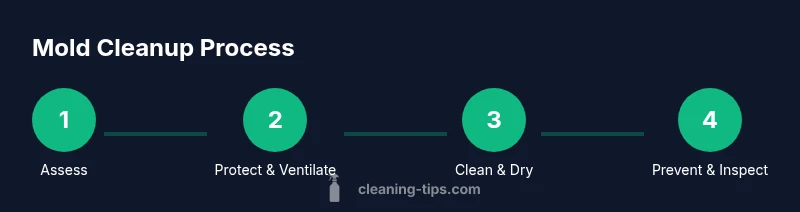
A practical approach to mold cleaning combines assessment, protection, careful cleaning, and prevention. Start by identifying the affected areas and moisture sources. Protect your health with PPE and ventilate. Clean nonporous surfaces first, then address affected porous materials if they are salvageable. Dry everything thoroughly, then re-inspect for any remaining growth. Finally, implement longer-term moisture control measures to prevent recurrence. This overview helps set expectations for what you can achieve with home cleaning while recognizing when remediation is needed.
When to call a professional
If mold covers a large area (more than 10 square feet on porous materials), if you notice water damage behind walls, or if mold keeps returning despite cleaning, it's time to hire a professional. Professionals can perform containment, testing, and specialized remediation techniques that go beyond consumer-grade products. They also help identify hidden moisture issues and ensure safe, compliant cleanup, reducing the risk of health concerns and property damage.
Preventing mold re-growth: long-term habits
Preventing mold is an ongoing effort. Fix leaks promptly, reduce indoor moisture from cooking and showering, use exhaust fans, and regularly inspect hidden spaces like basements and attics. Clean and dry damp areas within 24-48 hours after any spill. Keep porous materials dry or replace them if they were saturated. Scheduling routine checks and maintaining a moisture-control strategy makes mold less likely to return.
Real-world scenarios: bathrooms, basements, kitchens
Bathrooms are common mold hotspots due to humidity, insufficient ventilation, and splash zones. Basements often struggle with dampness and poor drainage, while kitchens can accumulate moisture from cooking and cleaning. In each space, tailor your approach: use nonporous cleaning on tile and glass, address drywall or carpet in saturated zones, and install proper ventilation. Effective mold cleanup adapts to the specifics of the room.
Safety and health considerations
Mold exposure can affect people differently, from mild allergies to respiratory irritation. If you have asthma or a compromised immune system, it's especially important to minimize exposure during cleaning. Always keep others out of the work area, contain debris, and seal the space if needed to prevent spread. If you suspect toxic mold or have significant water damage, prioritize professional remediation and follow local regulations for waste disposal.
Documentation and renter-landlord considerations
Document mold findings and cleanup steps with photos and notes. If you rent, report mold promptly to your landlord and keep copies of maintenance requests. For homeowners, maintain records of inspections and moisture-control renovations. Documentation helps with insurance and health considerations and ensures you follow best practices for space maintenance.
Tools & Materials
- Disposable nitrile gloves(Powder-free, chemical-resistant)
- N95 respirator or higher(Fit-tested if possible)
- Safety goggles or eye protection(Splash protection)
- Mild dish soap or detergent(For gentle cleaning)
- Bucket or spray bottle(Mix cleaning solution or apply liquid)
- Scrub brush or sponge(Non-abrasive for smooth surfaces)
- Microfiber cloths(For wiping and drying)
- Spray bottle for cleaners(Label and keep separate)
- Hydrogen peroxide 3%(Use on nonporous surfaces)
- Bleach (optional)(Only on nonporous surfaces; never mix with ammonia)
- Dehumidifier or fan(Helps dry area quickly)
- Moisture meter (optional)(Track humidity levels)
Steps
Estimated time: 2-6 hours
- 1
Assess the area for mold
Identify all affected zones and note moisture sources. Take photos for records and plan containment if needed. Determine if the damage is surface mold or if porous materials are involved.
Tip: Document scope with a quick map of affected rooms and materials. - 2
Ventilate and protect yourself
Open windows and run fans to improve air circulation. Put on PPE before touching moldy areas and avoid disturbing spores.
Tip: Keep pets and kids away from the work zone. - 3
Clean nonporous surfaces
Wipe down tile, glass, metal, and other nonporous surfaces with detergent solution. Rinse with clean water and dry thoroughly.
Tip: Do not mix cleaners; use one product at a time. - 4
Treat porous materials with caution
Porous materials like drywall or carpet backing may harbor unseen mold. If the material is saturated or structurally damaged, consider disposal.
Tip: If in doubt, consult a professional about salvage vs disposal. - 5
Dry the area completely
Use a dehumidifier or fans to reduce moisture and speed drying. Ensure no damp pockets remain behind walls or under flooring.
Tip: Aim for humidity below 50% where possible. - 6
Reassess and fix moisture sources
Repair leaks, improve ventilation, and monitor humidity over the following days. Schedule a follow-up check to confirm no new growth.
Tip: Implement long-term moisture controls to prevent recurrence.
Questions & Answers
Can cleaning remove mold completely?
Cleaning can remove visible mold and surface contamination, but it may not reach mold hidden in porous materials. Complete removal often requires addressing moisture and, in some cases, professional remediation.
Cleaning removes what you can see, but mold hidden inside walls or porous materials may persist without addressing moisture or calling a pro.
When should I call a professional?
Call a professional when mold covers a large area, when there’s persistent growth after cleaning, or when you suspect hidden mold behind walls. They can perform containment and advanced remediation safely.
If growth is extensive or keeps coming back, it’s time to bring in a mold remediation specialist.
Is bleach safe for mold cleanup?
Bleach can be effective on nonporous surfaces but should not be used on porous materials. Never mix with ammonia or other cleaners. Always follow label directions and ensure good ventilation.
Bleach works on hard, nonporous surfaces, but don’t use it on porous stuff and never mix with ammonia.
How can I prevent mold from coming back?
Key methods include fixing leaks, reducing humidity, ensuring proper ventilation, and drying any damp areas within 24-48 hours. Ongoing moisture control is essential.
Fix leaks, keep humidity down, and dry damp areas quickly to stop mold from returning.
What surfaces are most at risk?
Porous materials like drywall, ceiling tiles, and carpet padding are most vulnerable. Nonporous surfaces like tile or glass are easier to clean but still require moisture control.
Porous surfaces absorb mold and can hide growth; keep them dry or replace if damaged.
What if I have a musty odor but no visible mold?
A musty odor can indicate hidden mold or moisture problems. Inspect for leaks, condensation, or hidden damp areas, and consider professional assessment if the odor persists.
Musty smells can mean hidden mold—check for moisture and consider expert testing if it lasts.
Watch Video
The Essentials
- Assess moisture sources before cleaning.
- Differentiate surface mold from porous-material mold.
- Wear PPE and ventilate during cleanup.
- Control humidity to prevent recurrence.
- Know when to call a professional.