Drain Clean: A Practical How-To Guide
Learn a practical drain clean approach with step-by-step methods, natural remedies, and maintenance tips to prevent clogs and odors in sinks and drains.


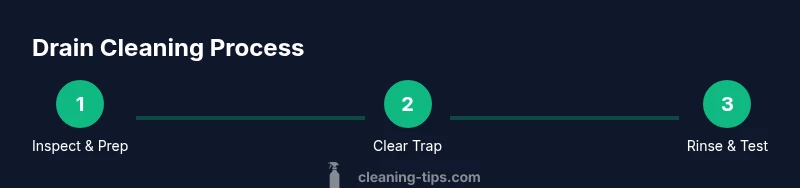
To drain clean effectively, follow a practical, steps-based approach to remove clogs and prevent future buildup. Start by clearing the trap, then flush with hot water, use baking soda and vinegar for a safe chemical-free reaction, and finish with a thorough rinse. For recurring odors, repeat monthly and consider enzyme cleaners for slow drains.
What drain clean means and why it matters
Drain clean is a proactive, step-by-step process designed to remove blockages, refresh flow, and reduce odors in domestic plumbing. It combines mechanical actions, natural cleaners, and routine maintenance to keep sinks, showers, and bathtubs draining freely. According to Cleaning Tips, adopting a regular drain clean routine can prevent minor clogs from becoming major, expensive problems. This guide uses clear, repeatable steps so homeowners and renters can tackle common drains confidently, without unnecessary harsh chemicals. By understanding the principles behind drain clean—removing hair, soap scum, and grease buildup—you can choose the right method for your situation and minimize disruption to daily life.
Common causes of drain clogs
Clogs don’t form overnight. Over weeks and months, a mix of hair, soap scum, grease, food particles, and mineral deposits adheres to pipe walls, gradually narrowing the passage. In kitchens, fat and oil congeal along the sides; in bathrooms, hair and soap particles accumulate in traps and elbows. Slow drains are often a sign of developing buildup rather than a single trapped object. Recognizing these patterns helps you prevent future clogs. The Cleaning Tips team emphasizes that prevention is easier and cheaper than repeated emergency plumbing.
When you notice a drain losing speed, start a drain clean before the blockage becomes a nuisance. Regular maintenance, including monthly checks and a simple cascade of hot water, can keep most household drains flowing smoothly and avoid the stink that sometimes accompanies slow drainage.
Safety and before-you-start checklists
Before you begin, gather your tools, read product labels, and protect surfaces with towels or a mat. Ventilate the area if you’re using cleaners, and wear gloves to prevent skin contact with harsh substances. Never mix cleaners unless the label explicitly states it’s safe; mixing bleach with ammonia or other cleaners can release toxic gases. Clear the area around the drain, remove the drain cover, and inspect the trap for obvious obstructions. A calm, methodical approach reduces mess and the chance of accidental spills.
According to Cleaning Tips, planning a drain clean session reduces errors and keeps you focused on the right technique. If you’re unsure about your plumbing configuration, consult a local guide or a professional before attempting more invasive methods.
Natural methods: baking soda and vinegar
A classic, chemical-friendly approach to drain clean uses baking soda and vinegar to create a fizzy reaction that helps loosen light buildup. Start by pouring a half cup of baking soda into the drain, followed by a cup or two of hot (not boiling) water to help push the mixture down. Then add a cup of white vinegar and cover the drain for 5 to 10 minutes to let the fizzing action work on debris. Rinse with hot water to flush the loosened material away. This method is gentle on pipes and can be repeated monthly as a maintenance ritual.
For many households, this combination is sufficient to maintain flow and reduce odors. If you have a lot of buildup or a stubborn clog, you may extend the waiting period to 15 minutes and pair this approach with a mechanical method. The key is to use hot water and avoid letting the reaction sit too long, which can reduce effectiveness in some pipe configurations.
Enzyme cleaners vs chemical options
Enzyme-based cleaners use biological enzymes to digest organic material in pipes, offering a slower, more eco-friendly solution than harsh chemicals. They are particularly suitable for septic systems and households that want a greener option. Enzyme cleaners typically require longer contact times—often several hours or overnight—to break down hair, grease, and soap scum. Chemical drain cleaners can be effective for tougher clogs but may cause heat, fumes, or pipe damage if misused or overused.
Choosing between enzymes and chemicals depends on your drain type, clog severity, and environmental considerations. Cleaning Tips encourages readers to start with enzymatic solutions for routine maintenance and reserve chemical cleaners for occasional stubborn blockages, following all label directions for safety and compatibility with septic systems.
Mechanical methods: plungers and snakes
When natural methods aren’t enough, mechanical tools can physically remove buildup. A plunger with a proper seal creates suction that dislodges blockages in the trap or pipe. A drain snake or auger reaches further into the drain to break up or retrieve debris. For sinks, remove the trap and feed the snake gently into the pipe; for shower or tub drains, use a flexible drain snake designed for those configurations. Always follow the manufacturer’s instructions and avoid forcing the tool, which can damage pipes.
These methods require patience and a bit of trial-and-error, but they are effective for most household clogs without resorting to harsh chemicals. If you’re unsure about using a snake, watch a tutorial or seek professional guidance. Proper technique protects pipes and reduces the risk of splashing or injury.
Flushing and finishing: hot water, seals, and testing
After any treatment, flush the entire system with hot water to push debris through to the sewer line. For drains connected to dishwashers or disposals, run those appliances to ensure the line remains clear. Check that P-traps are re-secured and seals are tight to prevent leaks. Finally, test the drain by running water for several minutes and listening for any gurgling sounds which indicate residual air pockets or partial blockages. If flow improves but isn’t perfect, repeat the process or progress to a more thorough mechanical method.
A strong finish helps confirm your drain clean success and reduces the chance of an immediate repeat clog. Keeping a routine schedule of maintenance reduces the likelihood of odor formation and keeps drains reliable over time.
Maintenance routines to prevent clogs
Prevention is simpler than remediation. Establish a monthly drain clean routine that includes a quick flush with hot water, a baking soda and vinegar treatment, and a visual check of the trap. Use a mesh screen on sinks and showers to catch hair and particles before they enter the pipes. Avoid pouring grease or oil down the drain, and wipe down surfaces to minimize soap scum buildup. For households with hard water, consider periodic mineral deposit checks and a gentle mineral-displacing cleaner.
Documenting your routine helps you stay consistent. When done regularly, drain clean becomes a straightforward part of home maintenance rather than a stressful, last-minute fix.
Special cases: slow drains, garbage disposals, and septic systems
Slow drains in kitchen sinks often stem from grease and food particles; consider a disposal-friendly approach with cold-water rinses to help move solids through. Do not put fibrous vegetables or coffee grounds down disposals in large quantities, as they can clog the system. Septic systems require particular care: avoid chemical drain cleaners that can disrupt the bacteria essential to decomposition. Enzyme cleaners may be safer for septic setups, but always follow septic-specific guidelines supplied by your local extension service or manufacturer.
If the drain remains slow after multiple attempts, or you notice sewage odor, contact a licensed plumber. Persistent symptoms may indicate deeper issues such as vent blockages or pipe damage that require professional assessment.
When to call a professional
If you’ve tried a combination of mechanical methods, natural cleaners, and enzymatic products without success, it’s time to call a professional. A licensed plumber can diagnose hidden blockages, incorrect slope, or damaged pipes that DIY methods can’t safely address. If you smell sewage, hear gurgling, or notice persistent leaks, do not delay seeking help—these are signs of potentially serious plumbing problems.
A professional can also advise on long-term drain maintenance tailored to your home’s plumbing layout and local water quality. Cleaning Tips recommends evaluating the benefits of a yearly professional inspection as part of a proactive home maintenance plan.
Troubleshooting quick references
If you’re unsure which method to start with, align your approach with the type of drain and the level of clog. For light buildup, a baking soda and hot water rinse is often sufficient. For moderate to severe blockages, combine a mechanical method with a natural cleaner and a careful flush. Avoid using multiple cleaners in quick succession, as chemical reactions can create hazardous fumes or pipe damage. Always wear gloves, monitor for signs of leaks, and stop if you notice resistance or unusual noises.
Quick references and safety checklist
Before you begin a drain clean, gather your supplies, check the drain trap for obvious obstructions, and ensure good ventilation. Wear gloves and eye protection if you’re handling cleaners. Keep pets and children away from the work area. Avoid mixing products unless the label explicitly allows it. After you finish, run hot water for several minutes and inspect the trap again for any signs of leaks or loosened connections. Regular maintenance—done safely—reduces the need for emergency calls and protects your plumbing investments.
Tools & Materials
- Plunger (cup or flange)(Choose a size appropriate for your sink or tub)
- Drain snake or drill-powered auger(Optional for deep clogs; use with care)
- Rubber gloves(Protect hands from grime and cleaners)
- Bucket(Catch water and debris under the trap)
- Adjustable wrench(Loosen and retighten trap nuts if removing the trap)
- Screwdriver (flathead or Phillips)(Remove drain cover and trap screws)
- Boiling water kettle(Use carefully to avoid burns)
- Baking soda(Fresh as possible for best fizzing action)
- White vinegar(Avoid colored vinegars to prevent staining)
- Enzyme-based drain cleaner(Safer for septic systems; follow label)
- Dish soap (optional)(Gentle helper for break-up of grease)
Steps
Estimated time: 60-90 minutes
- 1
Gather tools and prep area
Lay towels around the sink, put on gloves, and remove the drain cover. Clear the surrounding area so you can work without splashes. Confirm you have all supplies before starting.
Tip: Having everything ready prevents mid-task trips to the hardware store. - 2
Inspect and remove the trap
Place a bucket under the trap, loosen the slip nuts with a wrench if needed, and carefully remove the trap. Look for hair, grease, or debris that cause the blockage.
Tip: Take a photo of the setup before disassembly in case you need to reassemble. - 3
Clear debris from the trap
Brush away gunk from the trap and rinse it clean. Reassemble carefully, ensuring all washers seat properly to prevent leaks.
Tip: Empty flushed debris into the bucket to minimize mess. - 4
Boil water and flush the drain
Boil water and pour a large portion slowly into the drain to loosen remaining solids. Repeat with several kettlefuls if needed.
Tip: Hot water helps break down fats but avoid pouring boiling water directly into PVC pipes to prevent damage. - 5
Apply baking soda and heat with water
Pour half a cup of baking soda into the drain, then add hot water to push it down. This helps loosen debris and deodorize the line.
Tip: Powder sticks less if you tap the drain gently first. - 6
Introduce vinegar and wait
Pour one cup of white vinegar into the drain and cover for 5 to 10 minutes to let the reaction help break up grime.
Tip: Do not cover if you need to test the flow; you want access for rinsing. - 7
Rinse and test drainage
Remove the cover, flush with hot water again, and run water for a few minutes to ensure smooth flow. Observe for leaks around the trap.
Tip: If flow is still slow, proceed to a mechanical method. - 8
Use a plunger for stubborn clogs
Seal the plunger over the drain and apply firm, steady pressure. Repeat several times until the drain clears.
Tip: A good seal is essential—wet the rim to improve suction. - 9
Consider a snake for deep clogs
Feed the snake into the drain while turning it slowly. Stop when you feel resistance, then twist to dislodge the blockage.
Tip: Do not force the snake; backing out and reattempting with less resistance reduces pipe damage.
Questions & Answers
What is drain clean and why should I do it?
Drain cleaning is a routine to remove buildup and restore flow in plumbing. It helps prevent clogs, odors, and costly repairs by addressing hair, grease, and soap scum before they harden.
Drain cleaning is a routine to clear buildup and keep drains flowing, helping prevent clogs and odors from forming.
Are baking soda and vinegar effective for all drains?
Baking soda and vinegar work well for light to moderate buildup and are gentle on most pipes. They won’t fix deep blockages, and you may need a mechanical method or enzyme cleaner for tougher clogs.
Baking soda and vinegar help with light buildup, but for stubborn clogs you’ll need mechanical methods or enzymes.
Can chemical drain cleaners damage pipes?
Yes, chemical drain cleaners can damage PVC and old metal pipes if used improperly or too frequently. They may also pose safety risks. Use them sparingly and follow the label directions exactly, preferably as a last resort.
Chemical cleaners can damage pipes if misused; use them sparingly and follow the label.
How often should I perform a drain clean?
A light monthly maintenance with hot water and a baking soda-vinegar treatment is common for preventing buildup. In kitchens, more frequent cleaning may be beneficial due to grease and food particles.
Most people do a light monthly maintenance; kitchens may need a bit more frequent cleaning.
Are enzyme cleaners safe for septic systems?
Enzyme cleaners are typically safer for septic systems because they rely on natural digestion of organic material. Always check septic manufacturer guidelines and avoid overuse.
Enzyme cleaners are generally safer for septic systems, but follow guidelines from your system’s manufacturer.
When should I call a professional for a drain issue?
If clogs persist after using a plunger, snake, and enzymatic cleaners, or if you notice sewage odors or leaks, contact a licensed plumber. Persistent issues may indicate deeper plumbing problems.
Call a plumber if clogs persist or you smell sewage—the problem may be more serious.
Watch Video
The Essentials
- Start with non-chemical methods to protect pipes.
- Use baking soda and vinegar for safe, regular maintenance.
- Mechanical tools are effective for stubborn clogs but require care.
- Regular maintenance reduces odors and prevents costly repairs.