Sewage Clean Up: A Practical Step-by-Step Guide for Homeowners
Learn a practical, step-by-step approach to sewage clean up that protects your family. Safety, PPE, containment, disinfection, drying, and disposal explained for DIY or professional help.


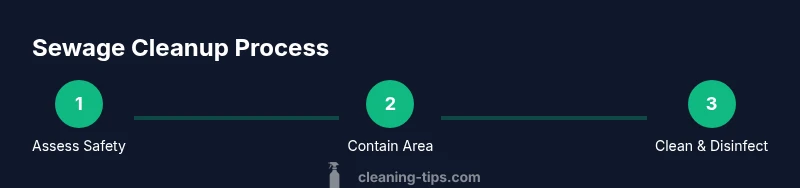
Sewage clean up requires careful safety planning, proper PPE, containment, and thorough disinfection. This guide helps you decide when to DIY and when to call pros, detailing safety gear, cleaning steps, and disposal rules to protect your family. Start by securing the area, removing water, and isolating the space before cleaning with EPA-approved products.
Understanding the hazards of sewage and why cleanup requires caution
Sewage contains pathogens, bacteria, viruses, and mold spores that can cause serious illness. Exposure risk rises with inhalation of aerosols, skin contact with contaminated water, or contact with porous materials that have absorbed waste. Because homes vary in structure and contamination level, it’s essential to treat every incident as potentially dangerous. According to Cleaning Tips, sewage clean up is not a routine household chore; it demands deliberate safety planning, proper PPE, and a clear disposal strategy. Recognizing these hazards helps you stage a safer cleanup and reduces the chance of secondary problems like mold growth or lingering odors. In most cases, you should limit entry to trained responders when the area is wet, large, or near electrical equipment. A considered approach now can prevent costly damage later and protect occupants from health risks that may persist long after the visible mess is gone.
Immediate steps to take before cleanup
If you discover a sewer backup or flood, prioritize safety first. Evacuate children and pets from the area and avoid contact with standing water. If the area is safe to approach, turn off power at the main breaker to reduce electrocution risk and unplug electrical devices that may have contact with water. Notify your local public health department if the incident involves a public sewer or if the water is heavily contaminated. Keeping a written log of the incident, including time, area affected, and any symptoms experienced, can be helpful for later restoration work and potential insurance claims. Cleaning Tips emphasizes the importance of acting quickly yet calmly to prevent further contamination and to minimize mold growth in the first 24-48 hours.
When to call professionals vs DIY
DIY cleanup is feasible for small, lightly contaminated spaces with minimal water intrusion and no structural damage. However, sewer backups can extend into walls, insulation, and HVAC systems, which may require professional remediation. Professionals bring specialized equipment, containment strategies, and validated disinfection procedures that reduce health risks. Consider calling a licensed plumber to address the source, followed by a remediation specialist for cleanup, containment, and drying. If you notice sewage in multiple rooms, strong odors, or ongoing dampness after cleaning, seek expert help promptly. Cleaning Tips recommends erring on the side of caution when the contamination involves large areas or uncertain source control.
Essential safety gear and PPE
Personal protective equipment (PPE) is your first line of defense. Use impervious gloves, waterproof boot covers, splash goggles, a respirator approved for particulates, and a disposable coverall. Double-layer protection (gloves over gloves, boot covers, and a hood) adds an extra margin of safety when handling contaminated materials. Always inspect PPE before use and dispose of disposable items after a cleanup attempt. The goal is to create a barrier between you and contaminants while you work to remove hazardous materials and dry the space.
Containment, ventilation, and containment strategies
Before you begin cleaning, establish physical barriers to prevent cross-contamination. Seal off the affected area with heavy-duty plastic sheeting and tape, and shut doors to other rooms. Do not use HVAC to circulate air from the contaminated zone to other parts of the home; instead, use negative pressure or a temporary exhaust setup to vent to the outdoors. This helps keep spores and aerosols from spreading. When possible, remove standing water using a pump or wet-dry vacuum rated for sewage cleanup, and place it in a sturdy, leak-proof container for disposal.
Cleaning agents and disinfection methods
Use EPA-registered disinfectants safe for sewage exposure and follow manufacturer directions for contact time and strength. Soapy water can remove visible debris first, then a disinfectant spray or wipe is applied to hard surfaces, walls, and non-porous items. For porous materials, removal and disposal are typically required because disinfectants cannot reliably penetrate; consult a professional for remediation of porous substrates. Do not mix cleaners with ammonia or bleach unless the product label explicitly allows it; incorrect mixing can produce dangerous gases. Keep cleaners away from children and pets and store them securely after use.
Cleaning techniques by area (floors, walls, porous materials)
Begin with the least contaminated areas and work toward the most affected zones to minimize spreading contaminants. For hard floors, scrub with soap and water, then disinfect, paying attention to grout lines and seams. Walls painted with non-porous finishes can be wiped down after cleaning; textured surfaces may require gentle scrubbing or disposal if saturated. Porous materials like carpet, drywall, and insulation typically must be discarded unless professionally restored. When storing and reusing tools, designate a dedicated set for contaminated cleanup to prevent cross-contamination.
Drying, humidity control, and mold prevention
Thorough drying is critical; damp environments foster mold growth within 24-48 hours. Use dehumidifiers, high-capacity fans, and good cross-ventilation to pull moisture out of the space. Keep relative humidity below 50-60% if possible and monitor for musty odors that indicate residual moisture. After drying, inspect for mold, especially behind baseboards, in wall cavities, and under flooring edges. If mold is present beyond a small patch, or if it reappears after cleaning, contact a mold remediation professional.
Porous materials disposal and waste handling
Contaminated porous items (like carpet, insulation, or drywall) generally need to be sealed in labeled, water-resistant bags and disposed of according to local regulations. Non-porous items that are heavily contaminated should also be considered for disposal if cleaning alone cannot guarantee safety. When in doubt, postpone re-use of items in the affected area and consult local waste management guidelines. Always wear PPE during disposal to prevent exposure to pathogens and to limit the spread of contamination through handling.
Health monitoring and when to seek medical care
Exposure to sewage can cause gastrointestinal or respiratory symptoms, so monitor for fever, vomiting, diarrhea, coughing, or shortness of breath after cleanup. Seek medical attention if you or a family member develops symptoms consistent with sewer exposure, or if you experience skin irritation or eye redness after contact with contaminated water. If you suspect exposure to hazardous waste or contaminated materials, inform your healthcare provider about the incident to receive proper testing and treatment.
Documentation, disposal rules, and prevention
Document the cleanup process, including areas cleaned, materials disposed of, and any safety concerns encountered. Check local regulations for disposal of sewage-contaminated waste and any required paperwork for insurance claims. After cleanup, inspect plumbing and drainage for recurring issues and consider installing flood and sewer backflow prevention devices. Regular maintenance, prompt repairs, and proper venting can reduce the likelihood of future backups and protect your home’s indoor air quality and structural integrity.
Tools & Materials
- Heavy-duty rubber gloves (chemical resistant)(Long cuff for splash protection)
- Splash goggles or face shield(Protect eyes from splashes)
- Respirator (P100) or N95 with organic vapor cartridges(Chemical/particulate protection)
- Disposable coveralls or impermeable suit(Coverall with hood if possible)
- Waterproof boot covers or tall rubber boots(Keep feet dry and protected)
- Plastic sheeting and heavy-duty tape(Seal off the area)
- Trash bags rated for biohazard or heavy-duty disposal bags(Seal and label waste)
- Gallon bucket and scrub brushes(General cleaning)
- Mop and mop bucket(Surface cleaning and removal of water)
- Wet-dry vacuum rated for water and sewage (if available)(Use only if rated for sewage)
- Dehumidifier and industrial fans(Moisture control after cleaning)
- EPA-registered disinfectant for sewage cleanup(Follow label for contact time)
- Soap or detergent for pre-cleaning(Remove debris before disinfection)
- Plastic putty knives or scrapers(For debris removal from hard surfaces)
Steps
Estimated time: 2-8 hours for initial cleanup; 24-72 hours for full remediation and any mold work
- 1
Assess safety and scene
Survey the area from a distance and decide if it is safe to approach. If water is deep, electrical hazards are present, or the source is uncontained, evacuate and call professionals. Create a plan before entering to minimize exposure and track each action for documentation.
Tip: Put PPE on before approaching any contaminated area and avoid loose clothing that could snag on debris. - 2
Shut off power and secure utilities
Turn off electricity to the affected zone at the main breaker to prevent shock. If the main panel is in a damp area, call an electrician to verify safety before re-energizing.
Tip: Do not touch electrical outlets or fixtures in standing water. - 3
Don full PPE and prepare containment
Wear impervious gloves, a respirator, goggles, and a disposable coverall. Set up plastic sheeting to isolate the space and reduce cross-contamination while you work.
Tip: Double-bag disposable PPE and seal it after use to prevent contaminant spread. - 4
Remove standing water and large debris
Use a pump or wet-dry vacuum rated for sewage to extract water. Place collected waste in sealed bags and dispose of according to local guidelines. Work from clean areas outward to avoid spreading contamination.
Tip: If water contains solids, avoid stirring it with hoses to minimize aerosolization. - 5
Remove contaminated porous materials
Carpets, insulation, and drywall affected by sewage should be removed and bagged for disposal. Label waste as contaminated and transport in a covered container to prevent leaks.
Tip: Do not attempt to salvage porous materials that have been saturated for long periods. - 6
Clean non-porous surfaces with soap
Scrub hard surfaces (floors, walls, fixtures) with detergent and water to remove visible grime. Rinse with clean water before applying disinfectant. Proper cleaning reduces the burden on disinfectants.
Tip: Use fresh cloths or sponges to prevent cross-contamination. - 7
Disinfect all affected surfaces
Apply an EPA-registered disinfectant following the label’s contact time. Focus on corners, seams, and fixtures. Ensure all surfaces stay wet for the required duration to achieve disinfection.
Tip: Never mix disinfectants with ammonia or acids; read the label for compatibility. - 8
Dry and ventilate the space
Run a dehumidifier and high-volume fans to remove moisture. Ventilate to the outdoors if possible, but avoid circulating air back into the home until the area is dry.
Tip: Check moisture levels with a hygrometer; target below 50-60% relative humidity. - 9
Inspect for mold and remediation needs
Check behind baseboards, within walls, and under flooring for signs of mold growth. If mold develops or cannot be fully removed, hire a mold remediation professional.
Tip: If you see continuous condensation or musty odors, stop and get expert help. - 10
Dispose of waste and document process
Seal waste bags, label them as contaminated, and arrange approved disposal. Maintain a cleanup log that records materials removed, cleaning products used, and final occupancy readiness.
Tip: Keep receipts and notices for insurance claims and future reference.
Questions & Answers
Is sewage cleanup safe to do myself or should I hire a pro?
Small, contained cleanups with minimal water intrusion may be manageable for a homeowner using proper PPE and instructions. Larger incidents, or those involving walls, insulation, or HVAC systems, should be handled by professionals to mitigate health risks and structural damage.
DIY is possible for small, contained jobs with proper gear, but large backups require professionals for safety and thorough remediation.
What PPE is essential for sewage cleanup?
Essential PPE includes impervious gloves, disposable coveralls, protective goggles, a respirator, and waterproof boots. PPE should be worn at all times when handling contaminated materials or waste.
Key PPE includes gloves, coveralls, goggles, a respirator, and waterproof boots worn throughout cleanup.
How long does it take to dry after a sewage cleanup?
Drying times vary with space size and ventilation but expect 24-72 hours for thorough drying, especially in humid spaces. Use dehumidifiers and fans to speed the process.
Most spaces take one to three days to dry, depending on airflow and humidity.
Can porous materials ever be salvaged after sewage exposure?
Most porous items like carpet or drywall saturated with sewage are not salvageable and should be disposed of to prevent health risks. Some exceptions exist with professional restoration.
Porous materials typically need disposal; professionals may salvage only in rare cases.
What steps should I take after cleanup is finished?
Document the cleanup, schedule a professional inspection if needed, check for mold, and ensure proper disposal. Refrain from returning items until the area is fully dry and free of odor.
Record what you did, check for mold, and confirm the area is fully dry before reoccupying.
When should I contact public health or water authorities?
Contact local health or water authorities if the sewage backup involves public systems, uncertain contamination levels, or if you suspect cross-contamination beyond your property.
If the issue involves public systems or uncertain contamination, reach out to local health authorities.
Watch Video
The Essentials
- Wear full PPE before entering contaminated zones
- Contain the area to prevent spread of contaminants
- Use EPA-registered disinfectants with correct contact time
- Dry thoroughly to prevent mold growth
- Disposal of contaminated materials must follow local rules