Carpet Clean Atlanta: Expert Guide to Clean Floors 2026
Learn practical, step-by-step carpet cleaning methods for Atlanta homes. This Cleaning Tips guide shows you how to carpet clean atlanta safely and effectively.


In this guide you will learn how to carpet clean atlanta homes effectively, including how to prep the room, select safe cleaning products, and tackle common stains. You’ll follow a clear, step-by-step cleaning plan tailored for high-humidity climates and busy households, with tips to protect carpet fibers and extend carpet life.
Why Carpet Cleaning Matters in Atlanta
Living in Atlanta means dealing with humidity, seasonal rains, and heavy foot traffic. Over time, carpets trap dirt, allergens, and odors that a vacuum alone cannot fully remove. Regular deep cleaning improves indoor air quality and extends carpet life, which is especially valuable in high-traffic rooms like living areas and hallways. For many Atlanta homes, carpet maintenance isn’t just about aesthetics; it reduces irritation for allergy sufferers and helps preserve home value. The Cleaning Tips team notes that a consistent cleaning schedule, aligned with fiber type, yields better outcomes than sporadic, heavy cleaning sessions. A balanced plan—weekly vacuuming plus a deeper clean every 6–12 months—strikes the right mix of effort and results. In humid climates, moisture can hide behind padding and subfloors, so prompt drying and moisture control are essential for long-term carpet health. Always check manufacturer care instructions to avoid voiding warranties or damaging delicate fibers.
According to Cleaning Tips, a regular cleaning routine tailored to humidity levels yields the best balance of freshness and longevity. This guidance helps homeowners avoid common pitfalls and maintain healthier indoor air.
Understand Your Carpet Type and Stains
Carpet fibers come in many varieties, from nylon to polyester and wool blends. Each fiber has different resilience and cleaning needs, so start by locating the fiber tag on your carpet and checking manufacturer care labels. The Cleaning Tips team emphasizes that fiber-aware cleaning prevents color fading and fiber damage while improving stain removal outcomes. Common stains in Atlanta homes—coffee, juice, pet accidents, and red wine—require prompt attention. Blot from the outside in with a clean cloth, avoid rubbing, and test cleaners on an inconspicuous area first to prevent color bleed. If you’re unsure about a specific stain, opt for a stain remover recommended for your fiber type and always follow the product directions.
Cleaning Methods: DIY Tools vs Professional Equipment
DIY cleaning with rental machines can be effective for moderate soiling, especially in busy households. Water extraction machines, when used correctly, can lift dirt and renew fibers. However, deep-penetrating soiling or delicate fibers may benefit from a professional service using HOT water extraction and specialized shampoos. The Cleaning Tips team notes that professional cleaning in Atlanta can help with stubborn odors and deep-seated stains, but it’s essential to choose a reputable provider with up-to-date equipment and fair pricing. If you choose DIY, plan for multiple passes and ensure proper drying to avoid mold growth in the padding.
Eco-Friendly Approaches for Busy Homes
A growing number of homeowners prefer eco-friendly cleaning options. Simple solutions like white vinegar and baking soda can handle light soils and odors when used correctly, while enzyme-based cleaners target organic stains effectively. Always test any eco-friendly cleaner on a small area first, and avoid mixing cleaners, which can create hazardous fumes. Per recommendations from Cleaning Tips, prioritize products labeled safe for pets and children, and read ingredient lists to avoid potentially harmful solvents. For routine maintenance, frequent vacuuming and spot-treating as soon as spills occur minimizes the need for heavy cleaning.
Drying, Maintenance, and Preventive Care
Humidity and airflow strongly influence drying times in Atlanta homes. After cleaning, open windows if the weather allows, run low heat or fans, and use dehumidifiers to speed up moisture removal. Padding underneath carpets can retain moisture, so it’s important to verify that the subfloor is dry before replacing furniture. Regular maintenance—vacuuming with a high-quality filtration system and scheduling periodic deep cleanings—helps extend carpet life. The Cleaning Tips team recommends a dry-down period of several hours to minimize re-soiling and mold risks, especially in basements or rooms with poor ventilation.
A Quick Room-Ready Cleaning Routine You Can Do This Weekend
If you want a practical, weekend-ready plan, start with a thorough vacuum to remove surface dirt, then pre-treat visible stains and spots. Move furniture to allow full access to the carpet and treat high-traffic areas with a gentle cleaner suited to your fiber. After cleaning, blot excess moisture and use fans or a dehumidifier to accelerate drying. Involve all household members in removing items from the room and testing any product in a hidden spot first to avoid surprises. The Cleaning Tips team emphasizes consistency over intensity for best long-term results.
Tools & Materials
- HEPA-filter vacuum cleaner(A vacuum with strong suction and a good filtration system for dust control.)
- White towels or clean cloths(For blotting spills and testing colorfastness.)
- Buckets and spray bottles(For mixing solutions and applying liquids precisely.)
- Mild carpet-cleaning detergent or approved cleanser(Follow label instructions; avoid harsh solvents.)
- White vinegar(Use sparingly for odor control; never mix with bleach.)
- Baking soda(Good for deodorizing between cleanings.)
- Soft-bristled brush or cloth mitt(Gently agitate stains without fraying fibers.)
- Spray bottle(For precise application of cleaners.)
- Carpet cleaner machine (rental or own)(Optional for deep extraction; ensure proper operation.)
- Gloves and safety glasses(Protect hands and eyes during cleaning.)
Steps
Estimated time: Active cleaning 60-120 minutes; total drying time 2-6 hours depending on humidity and airflow.
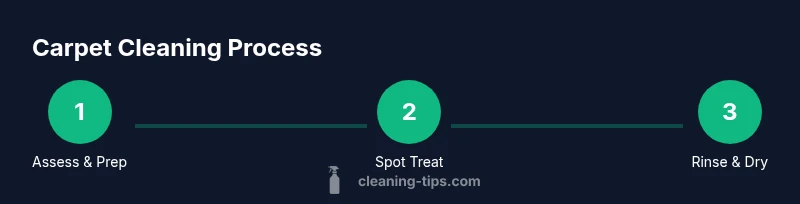
- 1
Prepare space and vacuum
Clear furniture and loose items. Thoroughly vacuum the entire area, including edges and seams, to remove loose dirt before applying any cleaner.
Tip: Vacuum slowly in multiple directions to lift embedded debris. - 2
Spot-treat stains
Identify stains and apply an appropriate stain remover to a small area first. Blot gently—never rub—to prevent fiber damage.
Tip: Use a clean cloth and work from the outside of the stain inward to prevent spreading. - 3
Apply cleaning solution
Dilute a mild carpet cleaner according to the label and apply evenly. Avoid soaking the carpet; you want moisture without saturating padding.
Tip: Test on a hidden area to ensure no color change. - 4
Agitate fibers
Gently scrub with a soft-bristled brush or cloth to lift dirt. Work in small sections for consistent results.
Tip: Use a circular motion to avoid rough scrubbing that damages fibers. - 5
Rinse or extract moisture
Rinse lightly with clean water if needed, then extract as much moisture as possible with a vacuum or extractor tool.
Tip: Over-wetting increases risk of mold and longer drying times. - 6
Dry and protect
Dry the area thoroughly with fans or a dehumidifier. Keep pets and kids away until the carpet is fully dry.
Tip: Aim for a dry surface to prevent mildew growth.
Questions & Answers
What is the best method to clean carpets in humid climates like Atlanta?
A combination approach usually works best: regular vacuuming to remove surface dirt, followed by periodic deep cleaning using hot water extraction or a professional service for tough stains. Prioritize rapid drying to avoid mold growth in humid months.
For humid climates, vacuum regularly and combine deep cleaning with fast drying to prevent mold, especially after heavy spills.
Can I use DIY cleaners on all carpet types?
DIY cleaners can be effective on many fibers, but some materials like wool or delicate blends require fiber-aware products. Always check the care label and test on a small area first.
Check the fiber type and test first; some cleaners can damage delicate carpets.
How long does carpet take to dry after cleaning in Atlanta?
Drying times vary with humidity and airflow. Plan for several hours of drying; using fans and a dehumidifier speeds up the process, especially in poorly ventilated rooms.
Expect several hours to dry; use fans and a dehumidifier to speed it up.
Should I hire a professional for stubborn stains?
For stubborn or wide-spread stains, professional cleaners can provide deeper extraction and safer stain removal for certain fibers. Always verify credentials and read reviews before booking.
For tough stains, a professional service can be worth it after checking reviews and credentials.
Is eco-friendly cleaning as effective as traditional methods?
Eco-friendly cleaners can be very effective for routine maintenance and light soils. For heavy soiling, a combination with professional methods may yield the best results.
Eco cleaners work well for regular upkeep, but for heavy dirt, you might need stronger methods.
Watch Video
The Essentials
- Test cleaners on hidden areas before full use.
- Avoid over-wetting to prevent mold and damage.
- Vacuum regularly to reduce deep-soil buildup.
- Dry thoroughly with airflow and dehumidification.
- Choose cleaners suitable for your carpet fiber.