Carpet Clean Professional: The Complete How-To Guide
Learn when to hire a carpet clean professional, what methods pros use, and how to prepare your home. This educational guide also offers practical DIY tips for between visits and a clear step-by-step process to keep carpets looking fresh and lasting longer.


By the end of this guide, you’ll know when to hire a carpet clean professional, what methods pros use, and how to prep your space for a safe, effective cleaning. You’ll also find a practical DIY alternative for between visits. This overview helps homeowners decide between professional service and in-house cleaning, with clear steps and expectations.
Why a Carpet Clean Professional Matters
Carpets trap dirt, dust, and allergens, especially in high-traffic areas. A carpet clean professional brings industrial-grade equipment, proven techniques, and trained technicians who can reach deep into carpet fibers. According to Cleaning Tips, professionals use methods and gear that deliver deeper dirt removal and improved appearance compared with routine home cleaning. This article explores when to hire, what methods pros use, and how to prepare your space for a safe, effective cleaning. By understanding the process, homeowners can protect investments, extend carpet life, and maintain healthier indoor air.
When to Hire vs DIY Cleaning
Not every stain or spill requires a full-service cleaning. For routine vacuuming and light soiling, a strong home vacuum and a quick spot clean may suffice. However, when you notice persistent odors, heavy traffic patterns near entryways, pet messes, or stubborn stains like red wine or coffee, a carpet clean professional is often the best option. The decision also depends on carpet type (frieze, loop, or Berber) and backing integrity. In these cases, a pro can tailor pretreatment, extraction, and drying to protect fibers while delivering consistent results. Cleaning Tips suggests evaluating the carpet's warranty and care label before booking.
Top Methods Used by Pros
Modern pros use a combination of techniques to achieve deep cleaning without over-wetting. Hot water extraction, also called steam cleaning, rinses fibers while extracting loosened soil with powerful suction. Encapsulation involves applying crystallizing detergents that trap dirt in pellets that vacuums remove after drying, reducing re-soiling. Bonnet cleaning provides quick refreshment on low-pile carpets where regular traffic is high, though it won’t remove deep stains in most cases. Pre-treatment sprays help break down oils and proteins, especially on living room traffic lanes. Pros carefully manage dwell times and drying to minimize moisture exposure and mold risk.
How to Prepare Your Home for a Professional Visit
Preparation helps technicians work efficiently and protects fragile items. Start by moving lightweight furniture from the cleaning zones and placing protective pads under heavy furniture to prevent staining or matting. Vacuum the highest-traffic areas thoroughly to remove dry soil that can clog the extraction system. Note any persistent stains, odors, or high-traffic zones on a notepad to discuss with the technician. Clear access to power outlets or water connections if required, and ensure pets are secured away from work areas. Finally, remove area rugs from nearby rooms if they will be included in the cleaning scope.
DIY Cleaning: Quick-Start Between Pro Visits
Between professional visits, you can maintain freshness with simple steps. Start by vacuuming slowly with a high-suction vacuum and a clean filter. Treat stains with a store-bought enzymatic cleaner or a gentle solution recommended on the bottle, following label directions. Sprinkle a light dusting of baking soda on dry, unstained areas to absorb odors, then vacuum again after 15–30 minutes. For high-traffic zones, consider light bonneting or using a shallow scrubbing motion with a microfiber pad, but avoid saturation that could require long drying times.
What to Expect During a Professionally Clean
During a typical session, technicians inspect the carpet, select the appropriate cleaning method, and protect surrounding surfaces. Expect thorough pre-vacuuming, targeted pretreatments, and a controlled extraction process that removes embedded soil. After cleaning, you’ll notice improved color and softness, and the space will feel cleaner. Drying times vary by room size, humidity, and ventilation, but plan for several hours before you resume full use of treated areas. The technician should provide care instructions and answer questions about stain resistance and warranty implications.
Maintenance After Cleaning
To maximize the results, follow a routine that prioritizes gentle cleaning and regular vacuuming. Use a high-efficiency vacuum with a clean filter and empty the bag or canister frequently. Place door mats at entryways to reduce new dirt tracks and consider area rugs in high-traffic spots to protect fiber. If spills occur, blot—don’t rub—and treat promptly with recommended cleaners. Schedule future cleanings at the interval suggested by your carpet’s care label or your local pro, typically every 12–18 months for many households.
Tools & Materials
- Vacuum cleaner(High-suction, with a beater bar for effectiveness on deep fibers)
- Stain pretreatment spray(Enzyme- or surfactant-based formula appropriate for carpet fiber type)
- White towels or clean cloths(For blotting and testing colorfastness)
- Measuring cup(For mixing solutions if needed, per product instructions)
- Protective pads or foil(Place under furniture legs to prevent staining during cleaning)
- Enzymatic or specialty cleaner(For stubborn odors or pet-related stains)
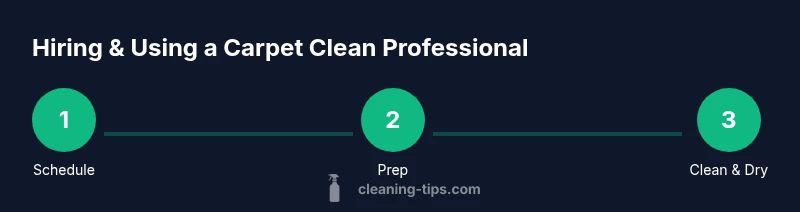
Steps
Estimated time: Estimated total time: 2-6 hours depending on area and drying times.
- 1
Schedule the service and confirm access
Call the service provider, confirm the number of rooms, and verify entry points, power availability, and any stairs or elevators. Request a written estimate and note any stains or areas of concern to discuss during arrival. This step ensures there are no surprises about scope or price.
Tip: Ask for pre-inspection results and a model cleaning plan before the visit. - 2
Clear furniture and protect edges
Move lightweight furnishings out of the cleaning zones and place protective sheets under heavier items if needed. Remove or secure delicate items like plants, vases, and electronics to avoid accidental damage. A clear workspace helps the technician work efficiently and reduces the risk of damage to valuables.
Tip: Use foil under furniture legs to prevent snagging or staining on newly cleaned areas. - 3
Vacuum thoroughly before cleaning
Lift loose debris and hair from carpet surfaces with a thorough pass of the vacuum, paying special attention to high-traffic lanes. A clean, debris-free surface allows pretreatment and extraction to work more effectively and reduces clogging of the machine.
Tip: Vacuum slowly, overlapping passes to catch fine dust and pet hair. - 4
Apply pretreatment and extract
The technician applies targeted pretreatment to stains and oils, followed by a hot water extraction or chosen method. Extraction removes contaminants while simultaneously rinsing fibers, helping to minimize residue. Allow the machine to do the work and avoid stepping on damp areas.
Tip: Ask about moisture control and whether additional drying aids will be used. - 5
Monitor drying progress
Check drying progress and ensure room ventilation to speed up moisture evaporation. Use fans or open windows if weather permits, but avoid direct air on still-drying spots which can cause uneven drying. Plan for a few hours of indoor rest before heavy use.
Tip: Keep doors closed to retain warmth and expedite drying in winter months. - 6
Final inspection and follow-up
Do a walkthrough with the technician to confirm stain removal and overall appearance. Note any remaining problem areas or follow-up treatments; ask about warranty implications and proper maintenance going forward. Schedule any needed follow-ups now if recommended.
Tip: Request a written post-cleaning care plan and contact details for follow-up questions.
Questions & Answers
What exactly does a carpet cleaning professional do during a visit?
A professional evaluates fiber type and stains, applies appropriate pretreatment, performs deep extraction to remove dirt and moisture, and finishes with a post-cleaning inspection. They protect surrounding surfaces and provide care instructions for ongoing maintenance.
A pro evaluates the carpet, pretreats stains, deeply cleans, dries, and offers aftercare guidance.
How long does it take for carpets to dry after a professional cleaning?
Drying time depends on carpet type, room ventilation, and humidity. Most spaces require several hours before normal use, with fans helping speed up the process.
Drying usually takes a few hours, depending on airflow and humidity.
Is professional cleaning safe for delicate or antique carpets?
Yes, but it requires specialized techniques and products. Ask the technician about fiber testing and alternative methods for delicate or antique fibers.
Delicate carpets can be cleaned safely with the right method chosen by the pro.
Should I move all furniture before the cleaning visit?
Move lightweight items and clearly mark or protect heavy pieces. Most professionals can relocate heavier items themselves if access and space permit.
Light items should be moved; heavy furniture can be left in place if the pro can access underneath.
How often should carpets be cleaned professionally?
Most households benefit from professional cleaning every 12–18 months, but high-traffic homes or homes with pets may need more frequent visits.
Many homes schedule professional cleanings once or twice a year, more often if you have pets or high traffic.
What should I ask before booking a carpet cleaning service?
Ask about cleaning methods, equipment quality, price transparency, drying options, and warranty implications. Also confirm surface protection and stain removal guarantees.
Ask about methods, drying, warranty, and guarantees before booking.
Watch Video
The Essentials
- Assess whether to hire or DIY based on stain severity and carpet type
- Choose cleaning methods aligned with fiber and backing integrity
- Prepare space ahead to speed up the visit and protect valuables
- Expect a drying window and follow post-cleaning care instructions
- Consider regular professional cleaning as part of home maintenance