Carpet Cleaning Guide for San Diego Homes
Step-by-step carpet cleaning for San Diego homes. Learn prep, stain removal, drying tips, and eco-friendly methods to keep carpets fresh, safe, and durable. Practical guidance from Cleaning Tips.


By following this guide, you’ll learn how to thoroughly clean carpets in a San Diego home, including prep steps, choosing methods for common fibers, and maintenance tips to extend carpet life. It covers DIY techniques, when to hire pros, and eco-friendly options to keep your home fresh and healthy. This snippet introduces the full article and highlights practical steps, safety notes, and budgeting considerations for San Diego households.
Why carpet cleaning matters in San Diego
Carpet maintenance matters in San Diego's coastal climate because humidity, dust, and daily foot traffic can wear fibers and trap allergens. According to Cleaning Tips, regular carpet cleaning helps maintain indoor air quality and prolong carpet life, especially when homes are kept near the coast where salt air and humidity can affect fibers. When you clean effectively, you remove embedded dirt, reduce odors, and refresh high-traffic areas such as living rooms and hallways.
In addition to appearance, consistent cleaning supports healthier homes. Dust mites, pet dander, and pollen can accumulate in carpets and migrate into the breathing zone. In San Diego, where homes often have open floor plans and frequent entertaining, a clean carpet can contribute to better air quality for family members with allergies or asthma. Regular cleaning also helps extend carpet life by loosening soil that acts like sandpaper on fibers. The result is a softer feel underfoot and a more inviting space for family and guests.
Understanding carpet fibers and cleaning methods
Carpets come in several common fibers, each with different cleaning needs. Nylon is durable and resists wear, making it a common choice for busy households; polyester can resist stains but may mat with heavy traffic; olefin repels moisture but can hold oily soils if not cleaned properly. Your cleaning method should align with the fiber's properties. For example, hot water extraction (steam cleaning) works well on nylon and polyester, but overly aggressive moisture can cause bleed on some dye lots. Bonnet cleaning is quick for surface soil on short-pile carpets but won’t reach deep soil. Dry cleaning methods use powders that absorb soil; they dry quickly but may leave residue if not vacuumed thoroughly. Always check carpet labels and test a small area before applying any cleaner to avoid color fading or fiber damage. With careful fiber-aware cleaning, you can choose the method that delivers deep cleaning while preserving softness and pile.
Pre-cleaning prep steps
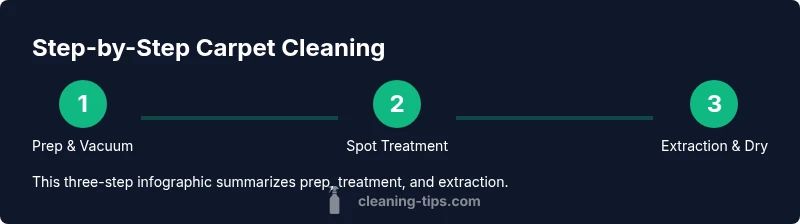
Before you begin, plan the space. Move furniture out of the room or place on risers to avoid damage. Remove small rugs, area runners, and breakables. Vacuum thoroughly to remove loose dirt and pet hair; this step makes the main cleaning more effective and reduces repeated passes over the same soil. If you have stairs or delicate edges, consider protecting them with drop cloths. Note the humidity level and weather conditions; in San Diego, dry days improve drying time, but a well-ventilated room matters regardless of outside weather. Finally, test cleaning products on a hidden spot; this protects dyes and preserves the carpet’s color. By doing prep work, you ensure the actual cleaning is faster, safer, and more thorough.
DIY cleaning methods: steam extraction vs bonnet cleaning
DIY carpet cleaning options range from steam extraction using a rented machine to bonnet cleaning for quick surface refreshes. Steam extraction uses hot water under pressure to lift dirt and extract it with a powerful vacuum; this method provides the deepest clean when used correctly. Bonnet cleaning uses a rotating pad to absorb surface soil; it dries quickly but may leave deeper soil behind if used alone. For most homes, combining the two approaches can yield excellent results: use steam extraction for deep-cleaning sessions every 6–12 months and bonnet or spot cleaning for touch-ups in between. Always follow machine instructions and fiber guidelines, and ensure you do not oversaturate the carpet. Keep the room well ventilated and monitor drying progress to prevent mold growth.
Handling common stains and odors
Effective stain removal requires prompt action. For red wine and coffee spills, blot with white cloth to absorb liquid; avoid rubbing which can push stain deeper. Pre-treat with an enzymatic cleaner or a gentle detergent solution, then extract with a machine or blot with a clean microfiber cloth. For pet urine, treat with an enzymatic product designed for urine; this neutralizes the odor and inhibits repeat marking. Odors should be addressed by removing moisture and increasing air flow. After cleaning, sprinkle baking soda lightly over the area, wait 15-30 minutes, and vacuum for a fresh scent. For stubborn stains, repeat the treatment or seek professional help if the stain resists multiple attempts.
When to hire a professional carpet cleaner
Professional cleaning is worth considering for large areas, tough stains, or older carpets that show wear. A pro brings high-powered machines, stronger extraction, and trained techniques to remove ground-in soils and odors. They can apply protective sealants or anti-stain treatments that extend the life of fibers. If your carpet has water damage, mold, or persistent odors after DIY cleaning, a professional service is recommended. For rental or purchase options, compare quotes, check certifications, and confirm the cleaning method aligns with fiber type. A professional cleaning can also help maintain warranties that require periodic professional work. In San Diego, seasonal busy periods may affect scheduling, so plan ahead.
Eco-friendly and budget-friendly options
Eco-friendly cleaning focuses on non-toxic cleaners and reduced chemical use. Enzymatic cleaners break down organic stains, while plant-based detergents minimize fumes and are safer for kids and pets. Baking soda is a simple deodorizer that can be used between cleanings. You can also rent energy-efficient extraction machines with low water usage to minimize environmental impact. For budget-conscious households, consider performing the pre-cleaning steps yourself, including vacuuming and spot treatments, and reserve deeper cleaning for professional visits as needed. Compare products labeled with low-VOC and biodegradable formulas, and follow label directions to ensure safe use. The goal is effective cleaning while preserving indoor air quality and the environment.
San Diego-specific maintenance and schedule
San Diego homeowners can tailor carpet cleaning to seasonal changes and indoor air quality concerns. During humid months or rainy seasons, more frequent cleanings help prevent moisture buildup and odors. In dry, warm conditions, drying times shorten, making DIY cleanings more practical between professional visits. Scheduling professional cleanings every 6–12 months, with DIY touch-ups in between, often yields the best balance of cleanliness, cost, and carpet longevity. Based on Cleaning Tips research, regular maintenance supports better indoor air quality in coastal climates and helps protect carpet fibers from salt air and humidity. Always verify carpet warranty requirements before initiating deep-clean treatments.
Quick maintenance routine between cleanings
Use a simple routine to maintain carpets between deep cleans: daily vacuuming focusing on high-traffic zones; spot-clean spills immediately; rotate area rugs if used; keep pets clean and off carpets during initial cleaning when removing residues; open windows and run fans to reduce humidity; sprinkle baking soda after vacuuming to deodorize; limit walking in socks on carpet until it is fully dry after a deep clean; check for signs of mold or dampness and address promptly.
Tools & Materials
- Vacuum cleaner with HEPA filter(Ensure vacuum has strong suction for embedded dirt)
- Carpet cleaning machine or rental extractor(Optional; supports deeper extraction)
- Enzymatic stain remover or pH-neutral cleaner(Test on inconspicuous area first)
- Soft-bristle carpet brush(Use for agitation without fuzzing fibers)
- White microfiber cloths(Dabs and blot spills; avoid dye transfer)
- Buckets and measuring cup(For diluting cleaners)
- Fan or dehumidifier(Accelerate drying; keep area dry)
- Baking soda(Deodorize between cleanings)
- Protective drop cloths(Shield floors when cleaning nearby)
Steps
Estimated time: 4-6 hours
- 1
Clear the area and vacuum
Remove furniture, rugs, and obstacles from the carpeted area. Thorough vacuuming lifts surface dirt and prepares fibers for cleaning. This reduces staining and improves extraction efficiency.
Tip: Move slowly and overlap each pass to pick up embedded dust. - 2
Pre-treat stains
Apply enzymatic or pH-neutral cleaner to stains such as wine, coffee, or pet accidents. Let sit 5-10 minutes before scrubbing gently.
Tip: Blot, don’t rub; rubbing can push stain deeper. - 3
Test cleaning solution
In an inconspicuous corner, apply cleaners to ensure colorfastness. This protects against dye bleed and fiber damage.
Tip: Wait 2-5 minutes and check for color transfer. - 4
Apply cleaning solution
Dampen the carpet lightly with a cleaning solution appropriate for your fiber. Avoid soaking; excessive moisture leads to longer drying and possible mildew.
Tip: Use a spray bottle or machine as directed. - 5
Agitate and lift dirt
Gently scrub in small sections with a soft brush or use a carpet cleaning machine to agitate fibers.
Tip: Work in 2–3 foot sections to maintain control. - 6
Extract or rinse
If using a machine, extract as much moisture as possible. If hand-washing, rinse with clean water and blot dry.
Tip: Pass over each area multiple times to remove suds. - 7
Drying and ventilation
Turn on fans or a dehumidifier. Open windows if weather permits. Drying may take several hours depending on humidity and airflow.
Tip: Avoid walking on carpet until fully dry to prevent resoil. - 8
Final check and deodorize
Inspect for missed spots. If needed, apply light deodorizing agent and vacuum lightly to restore pile.
Tip: Use baking soda between cleanings for odor control.
Questions & Answers
How often should I clean carpets in San Diego?
Most homes benefit from professional or DIY cleaning every 6-12 months, depending on traffic, pets, and allergies.
Most homes should clean every 6 to 12 months, depending on traffic and allergies.
Can I clean carpets without renting a machine?
Yes. You can use hand cleaning with brushes and a damp cloth, but a machine cleans more deeply and extracts more moisture.
Yes, you can, but a machine cleans more deeply and removes more moisture.
Is steam cleaning safe for all carpet types?
Steam is effective for many fibers, but always test first and follow fiber guidelines. Some dyes may fade or fibers warp.
Steam works for many carpets, but test first and follow fiber guidelines.
What cleaners are eco-friendly?
Look for plant-based or enzyme-based cleaners; avoid harsh solvents near children or pets.
Choose plant-based or enzyme-based cleaners; avoid harsh solvents.
When should I hire a professional?
For stubborn stains, high-traffic areas, or older carpets, pros can extract more water and apply advanced cleaning.
Hire a pro for stubborn stains and heavily soiled areas.
How long does it take to dry?
Dry time depends on humidity and airflow; typically 4-8 hours, sometimes longer in damp conditions.
Drying usually takes several hours depending on airflow.
Watch Video
The Essentials
- Vacuum thoroughly before cleaning
- Choose methods based on carpet fiber
- Dry carpets completely to prevent mold
- Balance DIY with professional help for stubborn stains