Tips for Cleaning Carpet: A Practical How-To Guide
Learn practical, step-by-step tips for cleaning carpet—from pretreating stains to deep cleaning and drying. Cleaning Tips guides homeowners and renters to healthier, fresher carpets.


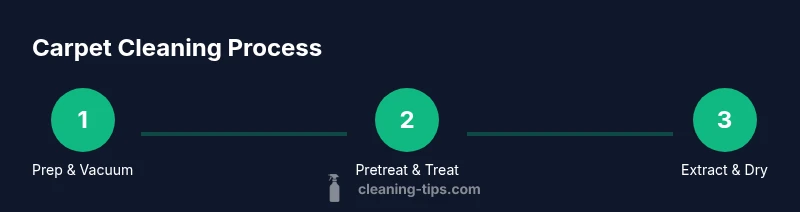
Carpet cleaning is a multi-step process: start with pretreatment and spot removal, then select a cleaning method (extraction, steam, or foam) based on your carpet type. Finish with thorough drying to prevent mold and odor. This guide from Cleaning Tips gives you a clear, actionable path that fits a busy home.
Why Carpet Cleaning Matters
Carpets accumulate dirt, allergens, and odors that aren’t always visible. Regular cleaning improves indoor air quality, prolongs carpet life, and revives color and texture. According to Cleaning Tips, a consistent cleaning routine reduces dirt buildup and helps maintain a healthier home environment for families and pets. Understanding the basics of “tips for cleaning carpet” sets the foundation for effective, repeatable results. This section explains why routine care matters beyond cosmetic freshness and how it connects to asthma and allergy management, especially in homes with children or seniors. The goal is to adopt an evidence-based, practical approach that fits real life—balancing time, budget, and outcome.
As you read, keep in mind that the approach described here works for most fiber types, from looped berber to plush piles. Always check the carpet’s care label and test cleaners on a hidden area first. Cleanings should be scheduled and spaced to avoid overwhelming the carpet with moisture. The Cleaning Tips team emphasizes that consistency is more important than perfection; even modest, regular sessions yield meaningful long-term improvements.
Quick Prep: Clear, Vacuum, and Protect
Effective carpet cleaning starts long before cleaning solution touches the fibers. Clear the room of small decor and ensure kids and pets are out of the area. Vacuum thoroughly, working in multiple directions to lift embedded dirt from both the top and mid layers of the pile. If you have high-traffic zones, consider a pre-vacuum that includes a motorized beater bar to loosen ground-in particles. Then, place towels or a drop cloth around the work zone to catch drips and dribbles. Investing a few minutes here saves more extensive touchups later. The goal is to reduce surface and subsurface soil and create a clear path for treatment and extraction.
From Cleaning Tips’s perspective, this preparation step is critical for maximizing the effectiveness of every subsequent action. A well-prepared carpet accepts cleaning solutions more evenly, dries faster, and reduces the risk of staining from residual soils.
Tools and Materials You'll Need
Before you begin, assemble your tools and materials so you don’t interrupt the process with a mid-clean trip to the store. A proper kit minimizes frustration and helps you stick to the plan. The items below cover most home carpet scenarios, including stained spots and general refreshment. If your carpet has unique fibers (e.g., wool or linen blends), consult the manufacturer’s care instructions first.
- Upright vacuum cleaner with hose attachment (essential)
- Carpet cleaning solution (enzyme-based or mild detergent) (essential)
- Soft-bristle carpet brush (essential)
- White microfiber cloths (essential)
- Spray bottle (essential)
- Bucket (optional)
- Gloves (essential)
- Box fan or dehumidifier for faster drying (essential)
- Stain remover spray (essential)
- Baking soda (optional, for odor control)
Stain Pretreatment Techniques
Pretreating stains is where most of the visible improvement happens. Begin by identifying the type of stain (protein-based like grass or blood; tannin-based like coffee or tea; dye-based like wine). Use a stain remover or a mild detergent solution and apply to the stain from the outside edge toward the center to prevent spreading. Blot rather than rub, which can push the stain deeper into the pile. For protein-based stains, cold water works best; for tannins and dyes, a warmer approach with a gentle cleaner may be more effective. Always perform a patch test in an inconspicuous area before broader application. The goal is to loosen soil without saturating the backing or padding. This step is particularly important for Keeping the carpet’s color vibrant, this is where Cleaning Tips recommends patience and repeat treatments for stubborn marks.
Choosing the Right Cleaning Method
There isn’t a single best method for every carpet; you’ll tailor the approach to fiber type, soil level, and stain history. Extraction machines remove both soil and moisture from the pile, making them a versatile all-purpose choice for many homes. Steam cleaning can be effective for deeper sanitation and odor reduction but may introduce more moisture, so it’s critical to extract and dry thoroughly afterward. Foam cleaning uses less moisture and can be gentler on delicate fibers, though it may take longer to rinse completely. Always follow manufacturer care guidelines for your carpet and test any cleaner on a hidden area first. This section helps you decide when to reach for each method and why.
Drying, Odor Control, and Post-Clean Care
Drying is the silent factor that determines whether your carpet feels clean for days or returns to damp, musty smell quickly. After cleaning, use a clean, dry towel to blot excess moisture and place fans or a dehumidifier in the room. If possible, raise furniture slightly with blocks to allow air to circulate underneath. Avoid walking on the carpet until it’s completely dry; damp carpet can attract more dirt and even mold. Consider applying a light sprinkle of baking soda once the carpet is dry to absorb residual odors, then vacuum again. Regularly inspecting the room for lingering moisture helps prevent long-term damage and ensures your carpet remains fresh.
Maintenance and Scheduling: How Often to Clean
A practical maintenance schedule keeps carpets looking fresh without becoming overwhelming. For most households, a routine deep clean every 6-12 months, depending on traffic, pets, and kids, is sufficient. High-traffic areas may benefit from quarterly spot-cleaning in addition to a yearly deep clean. Between deep cleans, frequent vacuuming remains essential for preventing dirt buildup, while targeted pretreatment helps with spills. A consistent rhythm minimizes the accumulation of grime and reduces the need for aggressive cleaning, which can shorten carpet life. Cleaning Tips suggests pairing carpet care with seasonal chores to build a sustainable routine.
Common Mistakes and How to Avoid Them
Even experienced homeowners can slip into bad habits when cleaning carpets. Over-wetting, especially with steam cleaners, can cause padding saturation and mold growth. Using harsh chemicals on bright colors can lead to color loss or ring-mark staining. Rubbing aggressively with a brush can fray fibers and cause pile distortion. Always follow product instructions and test on a small, inconspicuous area. If a stain resists pretreatment, consider professional cleaning to avoid permanent damage. By avoiding these pitfalls, you preserve carpet integrity and maintain a healthier home environment.
Tools & Materials
- upright vacuum cleaner with hose(Ensure attachments include a crevice tool and upholstery nozzle.)
- carpet cleaning solution (enzyme-based or mild detergent)(Avoid bleach and avoid hot solvents on colored fibers.)
- soft-bristle carpet brush(Use gentle pressure to avoid fuzzing the pile.)
- white microfiber cloths(Launder between uses to prevent cross-contamination.)
- spray bottle(Label with cleaner concentration for consistency.)
- bucket(Optional for mixing solutions.)
- gloves(Protect skin during pretreatment and scrubbing.)
- box fan or dehumidifier(Use to speed up drying and prevent mildew.)
- stain remover spray(Choose product compatible with carpet fibers.)
- baking soda(Odor control after drying; avoid on silk blends.)
Steps
Estimated time: 60-90 minutes
- 1
Prepare the area
Move furniture, remove small items, and protect nearby surfaces. Lay towels to catch drips and ensure pets and kids are out of the space. This initial setup minimizes mess and makes the cleaning flow smoother.
Tip: Clearing the area reduces interruptions and prevents new stains during the process. - 2
Vacuum thoroughly
Vacuum in multiple directions to lift soil from both the surface and the carpet base. Pay special attention to high-traffic zones and under furniture edges where dirt tends to accumulate.
Tip: A slow, deliberate pass (about 1–2 inches per second) yields better soil removal. - 3
Pretreat stains
Apply stain remover or a mild detergent to spots, working from outside inward. Let sit for 5–10 minutes for protein stains, then blot with a clean cloth.
Tip: Always test on an inconspicuous area first to prevent color changes. - 4
Apply cleaning solution
Dilute and apply the cleaning solution evenly, following product directions. Use a spray bottle for targeted areas and a brush to loosen embedded soil.
Tip: Avoid saturating the carpet; use just enough moisture to work the fibers without pooling. - 5
Agitate and lift dirt
Gently scrub the pile with a soft-bristle brush, focusing on stained or soiled areas. Allow the solution to penetrate fibers before extraction.
Tip: Work in small sections to maintain control and prevent re-soiling. - 6
Rinse and extract moisture
If using an extractor, follow manufacturer instructions to remove as much moisture as possible. If not, blot with clean towels and press firmly to lift water.
Tip: Rinse cycles or repeated blotting help ensure no residue remains that could attract more dirt. - 7
Blot and speed-dry
Blot excess moisture with clean towels, then set up a fan or dehumidifier. Avoid walking on the carpet until it’s dry to the touch.
Tip: Aim for a dry time of several hours; in humid spaces, longer drying may be needed. - 8
Final check and reassemble
Inspect the cleaned areas, spot-treat any remaining stains, and vacuum again after drying to lift flattened fibers. Return furniture only after the carpet is dry.
Tip: Perform a light post-cleaning vacuum to restore pile texture.
Questions & Answers
What is the best method for cleaning carpet at home?
For most homes, extraction cleaning provides effective soil removal and moisture control. Steam cleaning can help with sanitation but requires thorough extraction and fast drying to prevent mold. Foam cleaning is gentler on delicate fibers but may require extra rinsing.
Extraction is usually best for general cleaning, with steam or foam as alternatives depending on carpet type. Always follow care labels and dry completely.
Can I mix vinegar with store-bought cleaners?
Do not mix vinegar with ammonia-based cleaners or bleach. Mixing certain cleaners can release dangerous gases or cause residue that attracts more dirt. Always read product labels and test a small area first.
Avoid mixing cleaners. Check labels and test on a hidden spot before applying broadly.
How long does carpet take to dry after cleaning?
Drying time depends on humidity, temperature, and airflow. In a well-ventilated room, expect several hours; in high humidity or poor airflow, it may take longer. Use fans or a dehumidifier to speed up drying.
Drying usually takes a few hours, but can take longer in damp spaces. Airflow helps a lot.
Is steam cleaning safe for all carpet types?
Most modern synthetic carpets tolerate steam, but natural fibers like wool may have specific care requirements. Always verify the carpet’s care label and test a small area before full-scale steam cleaning.
Steam is often safe for many carpets, but check the label first.
How often should I clean carpets?
Aim for a professional deep clean every 12-18 months for typical homes, with spot cleaning as needed. In homes with pets or heavy foot traffic, more frequent cleanings may be beneficial.
Most homes benefit from deep cleaning once a year or so, with regular spot cleaning.
When should I hire a professional cleaner?
Consider a professional if stains are persistent, the carpet is heavily soiled, or you are dealing with delicate fibers like wool or antique rugs. Professional services can offer advanced equipment and safer cleaning solutions.
If stains won’t budge or the carpet is delicate, a pro can help safely restore it.
Watch Video
The Essentials
- Start with a clear workspace and thorough vacuuming.
- Pretreat stains before applying cleaning solution.
- Select the right method for your carpet fiber and soil level.
- Prioritize complete drying to prevent odor and mold.
- Test products and follow care labels for best results.