How to Clean Sneakers: The Complete DIY Guide
Learn how to clean sneakers effectively across canvas, leather, suede, and knit materials with a safe cleaning plan, practical steps, and maintenance tips for fresh, odor-free footwear.


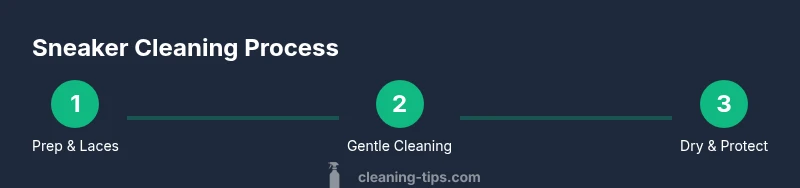
You’ll learn a safe, material-aware method to clean sneakers, from canvas to suede. Start by removing laces and insoles, then choose the right cleaner, brush gently, and air-dry away from heat. This guide emphasizes avoiding harsh chemicals and over-wetting while preserving color and fabric. Following these steps will keep your sneakers looking fresh and odor-free through daily wear.
Why cleaning sneakers matters
Sneakers log daily use, exposure to dirt, salt, sweat, and rain. Regular cleaning not only keeps them looking fresh but also helps preserve the material's integrity and prevent odor buildup. When you clean sneakers, you remove surface contaminants that can wear down fabrics and attract more dirt over time. According to Cleaning Tips, consistent, material-aware care extends sneaker life and keeps colors vibrant without harsh scrubbing. This approach balances practicality and results, so you can clean a wide range of styles—from canvas and leather to suede and knit—without guessing which products are safest. The goal is to establish a predictable routine that minimizes risk to the fabric, preserves shape, and reduces the exposure of your feet to bacteria and dirt. By understanding how different materials react to moisture and cleaners, you can choose the right method for each pair and avoid common pitfalls like color transfer or water stains.
Materials and cleaners you’ll typically need
Your kit should match the sneaker material you’re cleaning. For canvas and knit fabrics, a mild detergent and soft brush are typically enough. Leather requires gentler cleaners and careful drying to avoid water damage. Suede or nubuck call for specialized cleaners and a suede brush to lift nap rather than saturate the surface. Always gather tools before you start to keep the process smooth. The following list covers core items and optional boosters:
- Mild detergent (free of bleach) – use in small amounts.
- Soft-bristled brush – for general scrubbing without abrasion.
- Old toothbrush – to reach seams and eyelets.
- Microfiber cloth – for wiping and drying without lint.
- Bowl or basin – a container for mixing solutions.
- Water – lukewarm is best.
- White vinegar – optional for deodorizing and stain lift.
- Baking soda – optional paste for tough stains and odor control.
If you are cleaning suede, add a suede-specific cleaner and a suede brush. For white sneakers, you may consider a gentle whitening paste, but avoid chlorine bleach on colored fabrics.
Canvas sneakers: cleaning method
Canvas is forgiving and dries quickly, but dirt can cling to the fibers. Start by removing laces; brush away loose dirt with a dry brush. Prepare a mild cleaning solution by mixing a teaspoon of detergent in a cup of water. Dip the brush into the solution and scrub the upper in gentle, circular motions. Rinse the cloth and wipe away suds; repeat as needed. For stubborn stains, a small amount of baking soda paste can lift marks without damaging the fabric. Finally, wipe the entire upper with a damp cloth to remove any residue and set the shoes in a well-ventilated area to air dry. Laces can be cleaned separately by hand or in a gentle cycle. When dry, re-lace and inspect for any remaining discoloration.
Leather sneakers: cleaning method
Leather requires caution. Wipe with a damp microfiber cloth dampened with a mild detergent solution, then gently scrub any spots with a soft brush. Avoid saturating the leather and never use hot water. Rinse the cloth and wipe away suds, then dry with a clean towel. If the leather looks dull after cleaning, apply a small amount of conditioner once the shoes are completely dry to restore suppleness. Store leather sneakers away from direct sun or heat to prevent drying and cracking. For scuffs, a soft eraser or conditioner can help minimize visible marks without altering color.
Suede and nubuck care
Suede and nubuck require a gentler touch; water can cause staining or texture change. Use a dedicated suede cleaner and a suede brush to lift the nap. For dry stains, lightly rub with a suede eraser and follow with a gentle brush. If you must use liquid cleaners, apply sparingly to a microfiber cloth and test on a hidden area first. After cleaning, let suede dry completely in a well-ventilated space; avoid heat, which can warp or stiffen the nap. Optional protective sprays can help repel water and stains, but reapply only after the suede is fully dry.
Knit and mesh sneakers care
Knit and mesh uppers are breathable but prone to snagging. Use a mild detergent solution with a soft brush, working in small sections. Avoid soaking these materials; instead, wipe away suds frequently and rinse with a damp cloth. For toughness, a gentle baking soda paste can assist, but never use bleach on colored knits. Allow ample drying time in a well-ventilated area—excess moisture can lead to odor and misshaped forms. If painted logos or prints exist, be extra cautious to protect them from over-wetting.
Drying, odor control, and finishing touches
Air drying is essential for all sneaker types. Never use direct heat sources like radiators or hair dryers, which can warp materials. Stuff the shoes with paper towels to help absorb moisture and maintain shape, changing them as needed. Once dry, reassemble laces and inspect for any remaining residue or odor. For odor control between cleanings, sprinkle a small amount of baking soda inside the toe box overnight and shake out before wearing. Store sneakers in a cool, dry place to prevent mold and mildew.
Maintenance and color-specific tips
White sneakers benefit from periodic gentle whitening with baking soda paste and careful rinsing, while colored sneakers should be cleaned with products labeled safe for that color to prevent dye bleed. Suede and nubuck require routine brushing to keep nap looking fresh. For knit uppers, consider a mesh bag if you choose to machine wash—always check the label first. A quarterly conditioning routine for leather and a light protective spray after cleaning can extend life and keep materials looking new.
Troubleshooting common issues
If colors transfer during cleaning, stop and blot with a clean cloth to remove excess dye. If water spotting appears on leather, wipe dry immediately and apply a leather-safe conditioner once dry. Yellowing midsoles are often caused by sun exposure or whitening agents; use a gentle cleaner, rinse thoroughly, and dry away from sunlight. For persistent odors, repeat cleaning with a fresh solution and ensure complete drying before wearing. If you’re unsure about a material, test cleaning methods on an inconspicuous area first.
Tools & Materials
- Mild detergent (free of bleach)(Use 1–2 tsp per 8 oz water)
- Soft-bristled brush(Dedicated to shoes; avoid hard brushes)
- Old toothbrush(For seams, eyelets, and tight corners)
- Microfiber cloth(For gentle wiping and drying)
- Bowl or basin(For mixing cleaning solution)
- Water(Lukewarm preferred)
- White vinegar(Optional booster for deodorizing)
- Baking soda(Optional paste for stains and odor)
- Suede cleaner(Needed for suede or nubuck care)
- Suede brush(Specialized nap lifting tool)
Steps
Estimated time: 60-90 minutes
- 1
Remove laces and insoles
Take out laces and insoles to access all surfaces. This prevents staining and ensures even cleaning. Shake out loose dirt from laces and set aside for separate washing.
Tip: Place laces in a mesh bag and wash separately. - 2
Dry brush away loose dirt
Before applying liquid cleaners, brush the shoes with a dry brush to lift surface dirt. Use short, controlled strokes and work in sections.
Tip: Brush in one direction to avoid grinding dirt deeper into fibers. - 3
Prepare cleaning solution
Mix lukewarm water with a small amount of mild detergent until sudsy. For stubborn stains, add a splash of white vinegar or a tiny amount of baking soda paste.
Tip: Test a hidden area first to ensure colorfastness. - 4
Clean the upper surfaces
Dip the brush into the solution and scrub the upper parts in gentle, circular motions. Avoid saturating leather or knit heavily; work in small sections to maintain shape.
Tip: Wipe away suds with a microfiber cloth frequently. - 5
Clean the midsoles and outsoles
Use the same solution with a stiffer stroke brush or an old toothbrush to attack embedded dirt on midsoles and outsoles. Rinse with a damp cloth to remove grime.
Tip: White midsoles respond well to light scrubbing and drying. - 6
Rinse and blot
Wipe down surfaces with a clean, damp cloth to remove soap residue. Do not saturate fabrics; excess water can cause odor or stiffness.
Tip: Follow with a dry microfiber to remove remaining moisture. - 7
Dry and deodorize
Air dry sneakers away from direct sunlight or heat sources. Stuff with paper towels to maintain shape and absorb moisture; reinsert laces once fully dry.
Tip: Patience is key—overnight drying is normal.
Questions & Answers
Can I put sneakers in the washing machine?
Washing machines can be convenient for some sneakers, but they’re risky for materials like leather or suede. Use a gentle cycle, place shoes in a mesh bag, and remove insoles before washing. Always check the manufacturer’s guidance.
Washing machines can work for some sneakers, but consult the care label and use a gentle cycle.
Is it safe to use vinegar on leather sneakers?
White vinegar can be used sparingly on hardware or stubborn stains, but never soak leather. Use a damp cloth, follow with a conditioner after drying, and allow full air-dry.
Vinegar can be used cautiously but avoid soaking leather.
How often should I clean sneakers?
Clean sneakers as soon as dirt or odor appears. A quick wipe after wear plus a deeper clean every few weeks keeps them fresh and extends life.
Clean sneakers when they look dirty or smell tired.
What about odor removal between deep cleans?
Sprinkle a small amount of baking soda inside the toe area and let sit overnight. Shake out before wearing. Regular airing helps curb odors.
Odor improves with baking soda and proper drying.
Should I use heat to speed up drying?
No. Heat can warp materials or cause color changes. Let sneakers air-dry in a well-ventilated space.
Heat speeds up drying but risks damage; air-dry is safest.
How can I refresh laces separately?
Laces can be washed by hand or in a washing machine in a mesh bag. Replace if they show wear or persistent staining.
Wash or replace laces for best results.
Watch Video
The Essentials
- Use material-specific cleaners to avoid damage
- Air-dry fully to prevent odor and stiffness
- Test colorfastness on a hidden seam
- Dry brush before liquids to lift dirt
- Regular maintenance extends sneaker life